Food and place
Explore how ingredients, climate, trade, and local practice influence regional cuisines.
 Mapple Health
 Discover the stories behind global foods and cuisines, from traditional dishes and their origins to cultural traditions, ingredients and food history.
Food culture includes ingredients, techniques, memory, migration, celebration, and the ways knowledge is shared. Explore dishes and eating patterns with attention to regional variation rather than treating any cuisine as a single fixed tradition.
Explore all 12 guidesRecipes vary within regions and families; ingredients and methods change with place and time.
Growing, preparing, sharing, and celebrating food can all carry cultural meaning.
Traditions are living practices shaped by the people who sustain and adapt them.
These articles consider regional foodways, signature dishes, and how everyday cooking connects to identity and history.
Explore how ingredients, climate, trade, and local practice influence regional cuisines.
Food traditions are carried through everyday practice, family knowledge, and community gatherings.
Connect a food story with a recipe and notice where ingredients or techniques vary.
It includes more than recipes: food production, ingredients, preparation, sharing, customs, and knowledge passed between people and generations. The details differ across communities and continue to evolve.
Source: UNESCO food and intangible heritageUsually not. Dishes change across regions, families, seasons, and migration histories. A careful food story names the place and context it describes instead of presenting one version as universal.
Source: UNESCO International Food AtlasFood practices can carry skills, memory, identity, and social connection. UNESCO describes culinary practices as living heritage sustained by the communities that pass them on and adapt them.
Source: UNESCO cultural heritage guidance12 articles to explore at your own pace, with the newest published guides first.
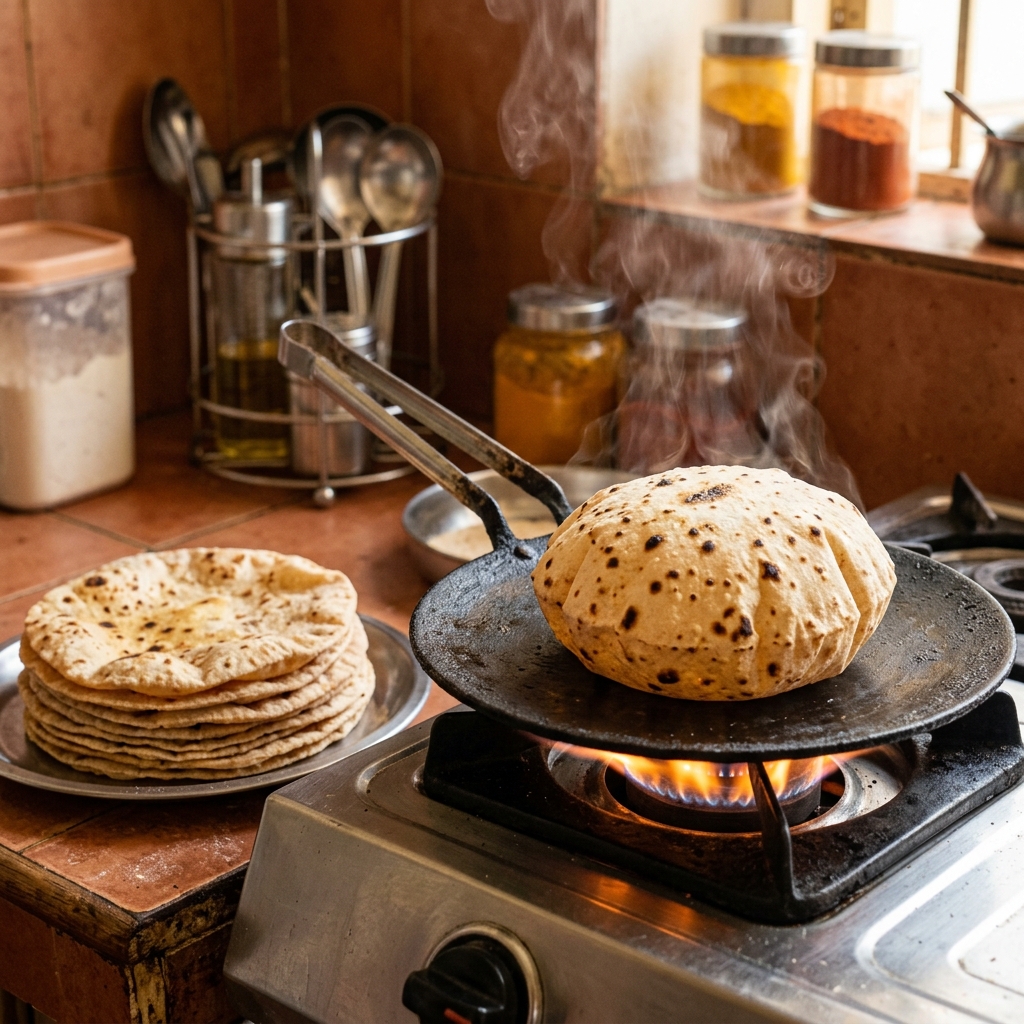
Learn how many calories are in one roti and how whole-wheat chapati compares with naan, paratha and puri for calories, carbohydrates, fiber and nutrition.
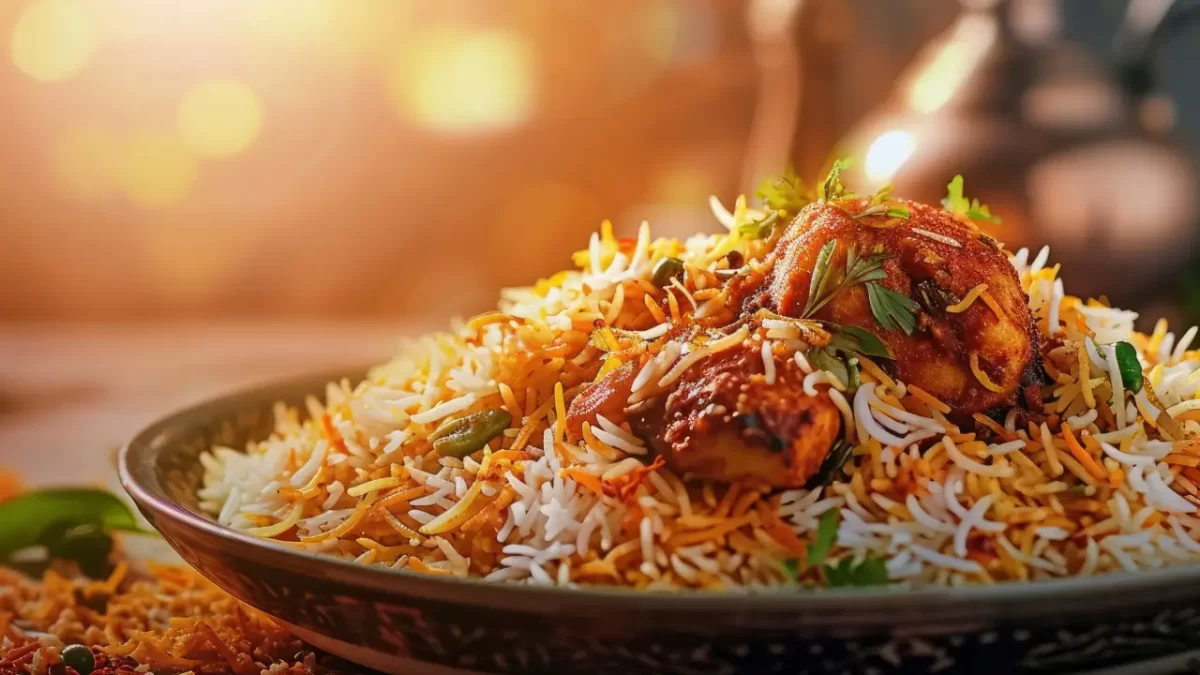
Explore the history of biryani, from its debated origins and Mughal connections to the regional styles, ingredients and traditions that shaped the dish.

Explore the French Paradox through food culture and nutrition, including wine, cheese, meal patterns and what research says about cardiovascular health.
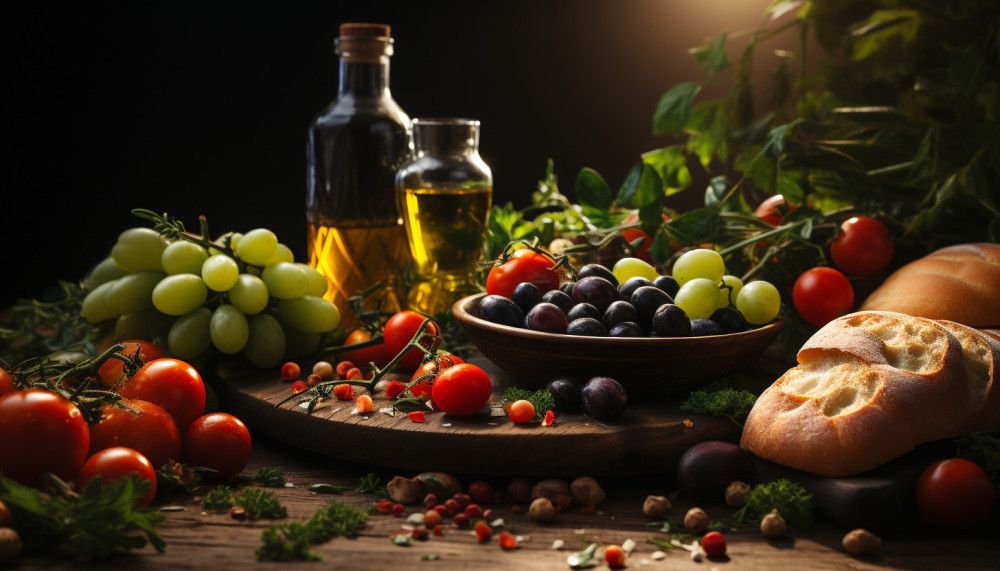
Explore the Ikarian diet, from wild greens and legumes to olive oil and leisurely meals, and what research says about diet, lifestyle and healthy aging.
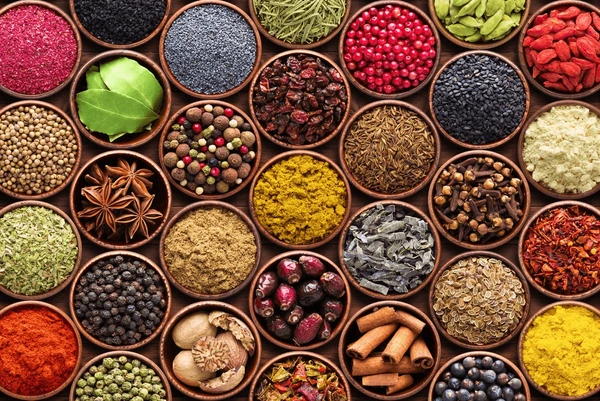
Explore the history and science of Indian spices, including turmeric, black pepper and cardamom, and what research says about their bioactive compounds.
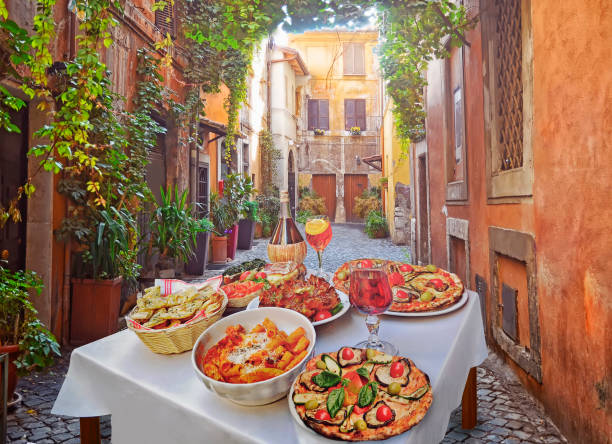
Explore the science of traditional Italian cooking, from soffritto and olive oil to tomatoes, and how ingredients and cooking methods shape nutrition.
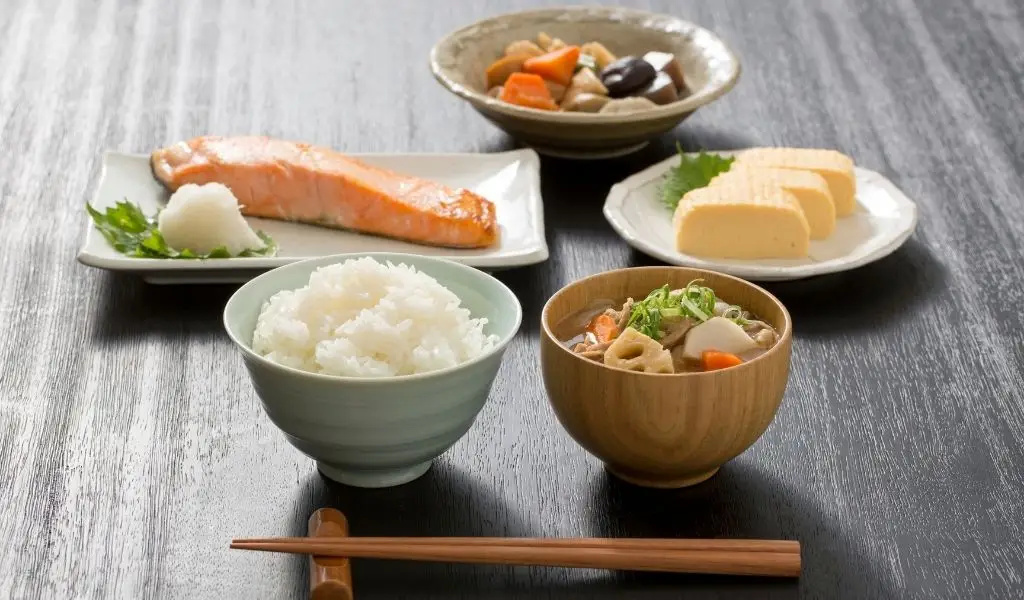
Explore Japanese and Okinawan food traditions, including miso, seaweed, fish, vegetables and dashi, and what research says about healthy aging and longevity.
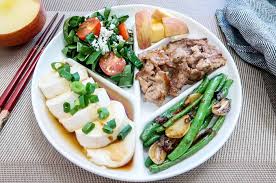
Explore Korean food and weight-loss patterns, including banchan, vegetables, fermented foods and portion variety, with a closer look at kimchi and doenjang.
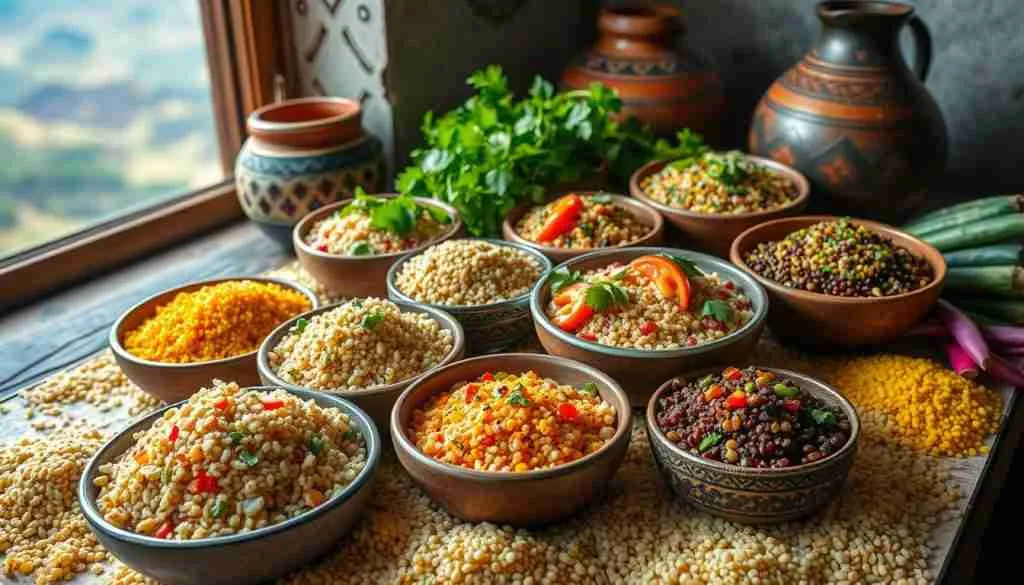
Explore Peruvian superfoods including quinoa, maca and purple corn, along with their nutritional properties, cultural history and bioactive compounds.
Explore Spanish food and its Mediterranean influences, including gazpacho, olive oil and saffron, with a closer look at nutrition and culinary tradition.
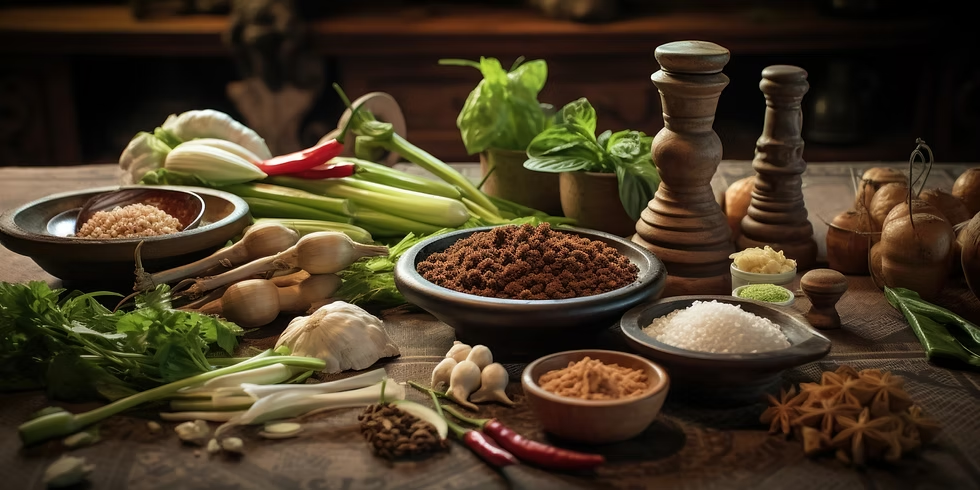
Explore Thai food through Tom Yum, lemongrass, galangal and fresh herbs, with insights into traditional ingredients, nutrition and the science of Thai cooking.
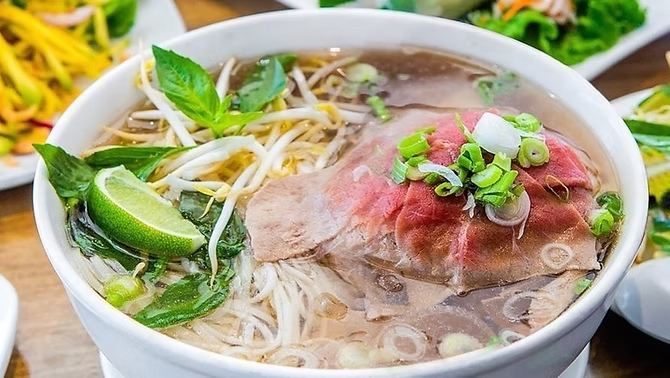
Explore traditional Vietnamese pho, including broth, herbs, noodles and common ingredients, with insights into its nutrition, preparation and food culture.
No saved articles yet.
Click the bookmark button inside any article to save it here for offline reading!
Hi! I am Mapple AI, your food science research companion. Ask me anything about biomolecules, organic diet patterns, or longevity recipes.