Everyday favorites
Start with foods you already recognize. These guides introduce each fruit through its nutrition, uses, and common questions.
 Mapple Health
 Explore fruit health benefits, nutrition, bioactive compounds and food science, with practical guides covering fruits from around the world.
From an apple in your lunchbox to a fruit you have never tried, there is more to explore than a list of benefits. Use this collection to understand what is inside each fruit, discover its varieties, and find ideas for bringing it to your table.
Explore all 21 guidesThe apple guide brings nutrition, varieties, preparation ideas, and common questions together in one place.
When comparing nutrition tables, check whether the figures describe 100 grams, one piece, or a different serving.
Look for varieties, flavor, ways to eat, and traditional dishes alongside the nutrition information.
Choose a familiar favorite, explore a different texture, or follow your curiosity into seasonal fruits.
Start with foods you already recognize. These guides introduce each fruit through its nutrition, uses, and common questions.
Explore familiar market fruits and less familiar varieties, with a closer look at their flesh, seeds, and preparation.
There is no single way to enjoy fruit. Discover creamy, tart, and seed-filled options and the stories around them.
There is no single healthiest fruit. Different fruits offer different nutrients, so variety is more useful than choosing one winner. Rotate fruits you enjoy and can afford, rather than feeling you need an expensive superfood.
Source: EUFIC on fruit varietyInclude fruit as part of a varied daily diet alongside vegetables. The NHS recommends at least five portions of fruit and vegetables combined each day, not five portions of fruit alone. Its adult portion guide uses about 80 grams of fresh fruit; a medium apple or banana is a practical example. Children need smaller portions suited to their size.
Source: NHS portion guideWhole fruit does not need to be avoided simply because it contains sugar. It also provides water, fiber, and other nutrients, and takes longer to eat than a sugary drink. Think about the whole food and the amount you eat, rather than judging fruit by its sugar content alone.
Source: Harvard Nutrition Source on fruit sugarYes, whole fruit can fit into a diabetes eating plan. Its carbohydrates still affect blood glucose, so portion size matters. Spread fruit across the day rather than eating a large amount at once, and pay particular attention to dried fruit and juice. Your diabetes team can help you fit portions into your own carbohydrate plan.
Source: Diabetes UK fruit guidanceWhole fruit can help when it replaces a more calorie-dense snack or dessert. Its water and fiber help make it filling. The useful change is the substitution: adding fruit on top of everything you already eat does not automatically reduce your calorie intake. Choose whole fruit more often than juice.
Source: CDC on fruit and healthy weightWhole fruit is usually the better everyday choice because it retains fiber that most juices lack and is more filling. A smoothie made with the edible whole fruit can retain fiber, but portions still matter. NHS guidance limits juice and smoothies together to a small 150 ml glass a day, preferably with a meal.
Source: NHS guidance on juice and smoothiesThere is no special time everyone must eat fruit. It can be part of a meal or a snack, and eating it at night does not automatically cause weight gain. Your overall diet and portion sizes matter more than a blanket rule about the clock. If you manage diabetes, follow your individual meal plan.
Source: EUFIC on when to eat fruitThey can be. Nutrient levels depend on the fruit, processing, and storage, so fresh fruit is not always nutritionally superior. Frozen and canned options can be convenient, affordable ways to add variety. Choose unsweetened frozen fruit and canned fruit in water or natural juice rather than syrup.
Source: EUFIC on fresh and preserved fruitDried fruit can contribute to a balanced diet, but a serving is much smaller than a serving of fresh fruit. NHS guidance counts around 30 grams as one portion. Because dried fruit can affect teeth, enjoy it with a meal rather than grazing on it between meals.
Source: NHS guidance on dried fruitRinse fruit thoroughly under running water, even if you plan to peel it, so cutting does not transfer dirt or bacteria from the skin. Use a clean produce brush for firm fruit such as melons, then dry with a clean towel. Do not use soap, detergent, or commercial produce wash. Washing reduces bacteria but does not remove all of them.
Source: FDA produce safety guidance21 articles to explore at your own pace, with the newest published guides first.
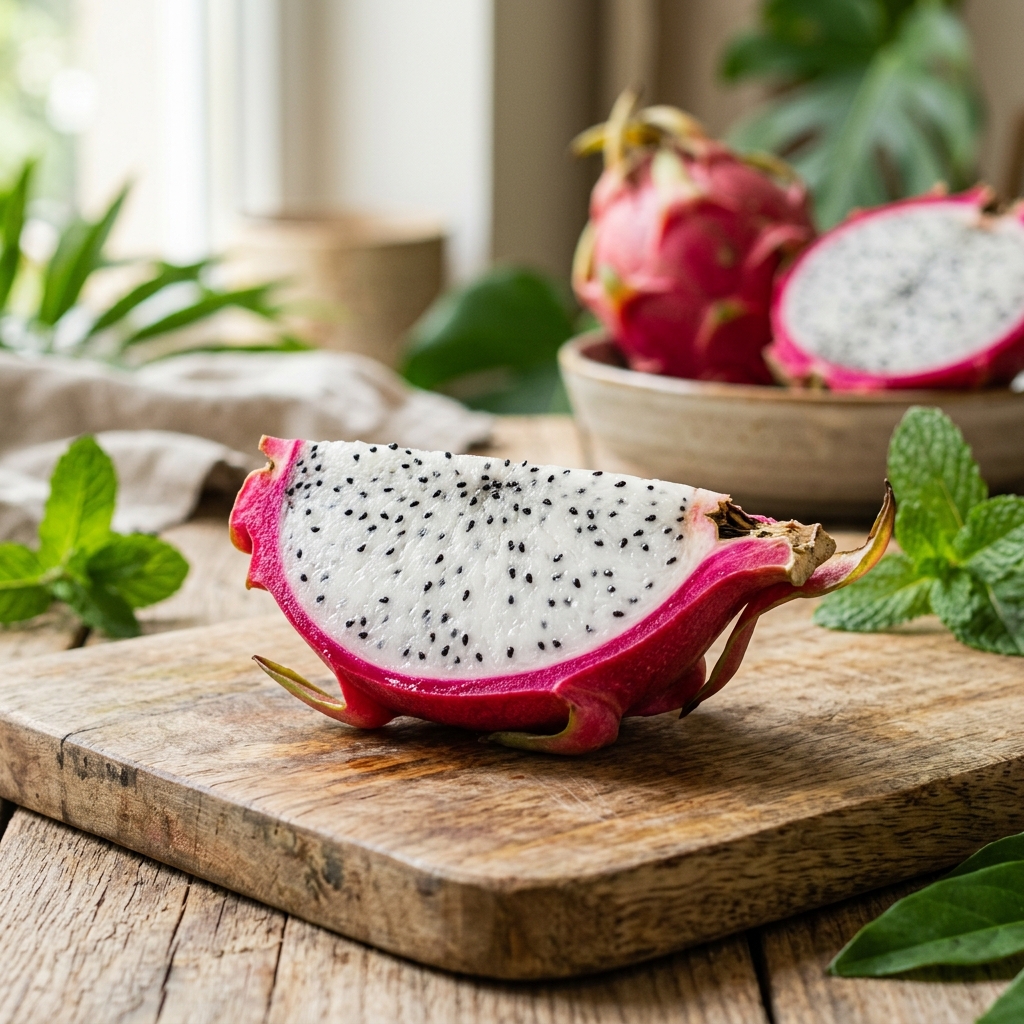
Explore dragon fruit nutrition, fiber, seeds and betalains, plus what research says about gut health, blood sugar, cardiovascular function, weight and everyday eating.
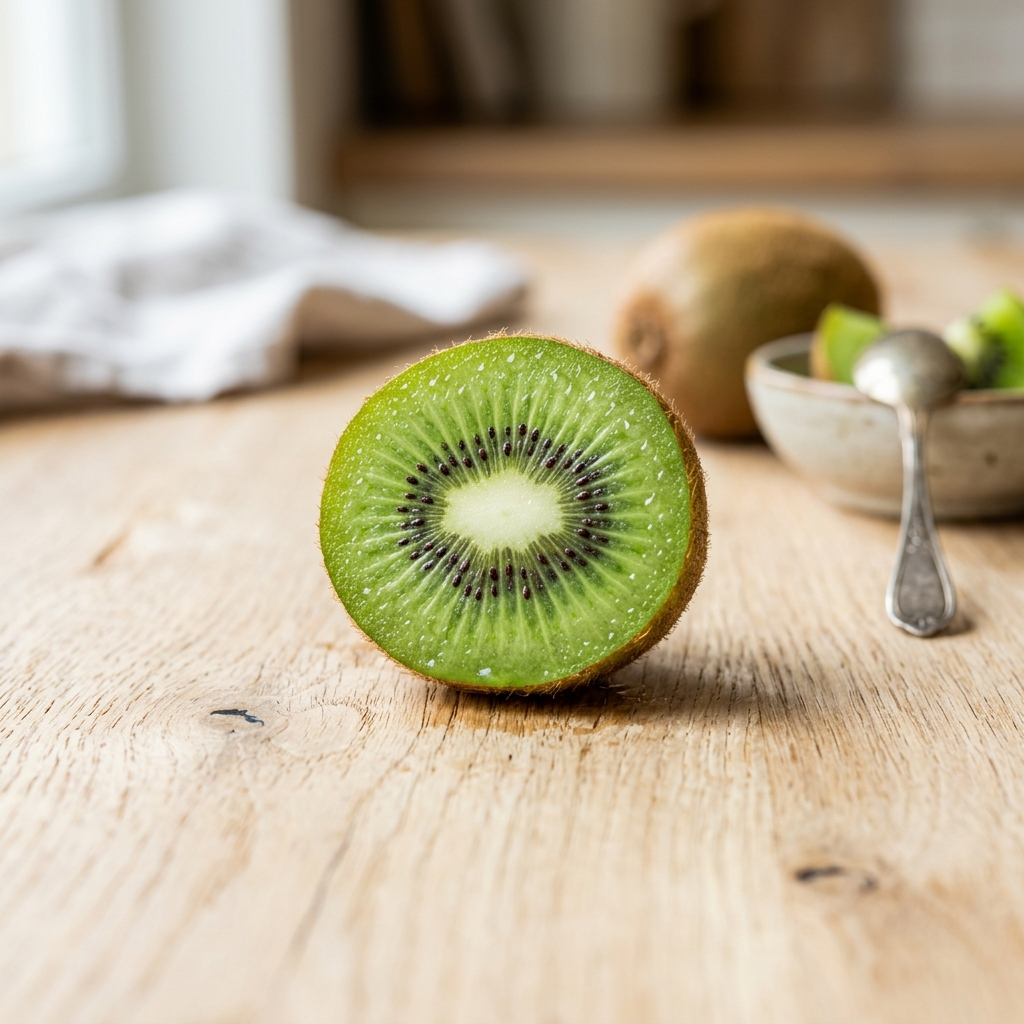
Explore kiwi nutrition, vitamin C, fiber and actinidin, plus what research says about constipation, digestion, sleep, skin and kiwi fruit allergy.
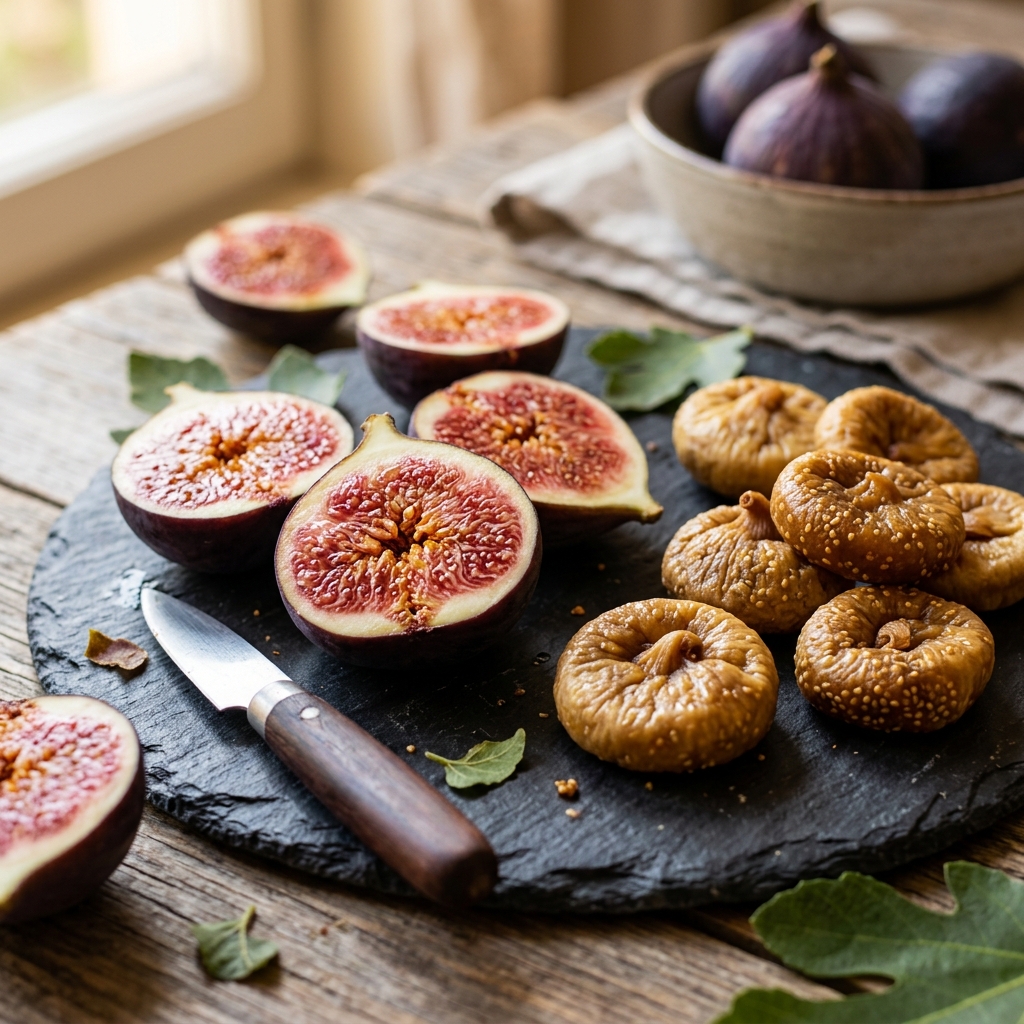
Explore fig (anjeer) benefits, fresh vs dried nutrition, calories, constipation research, diabetes, soaked figs, kidney safety, varieties and how to eat figs.
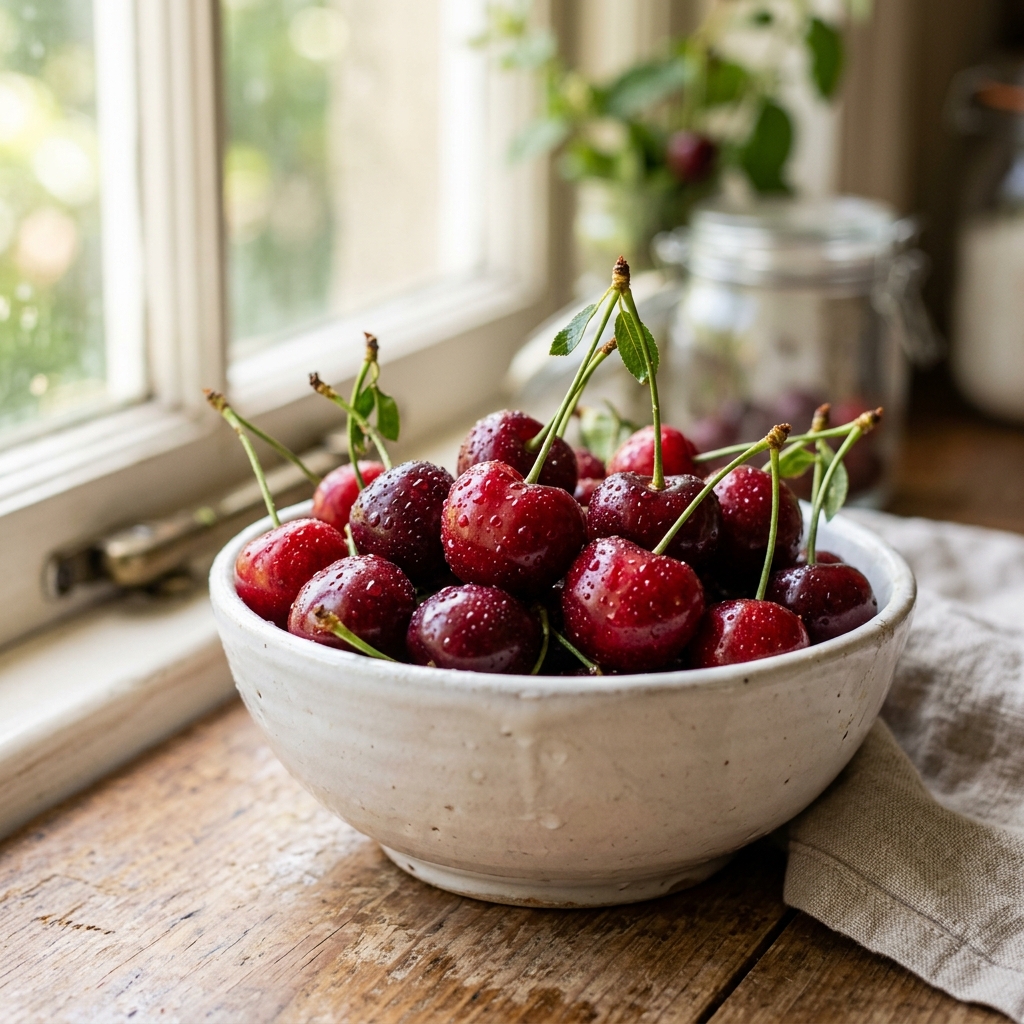
Learn about cherry nutrition and anthocyanins, including what research says about tart cherries, uric acid, exercise recovery, sleep and inflammation.
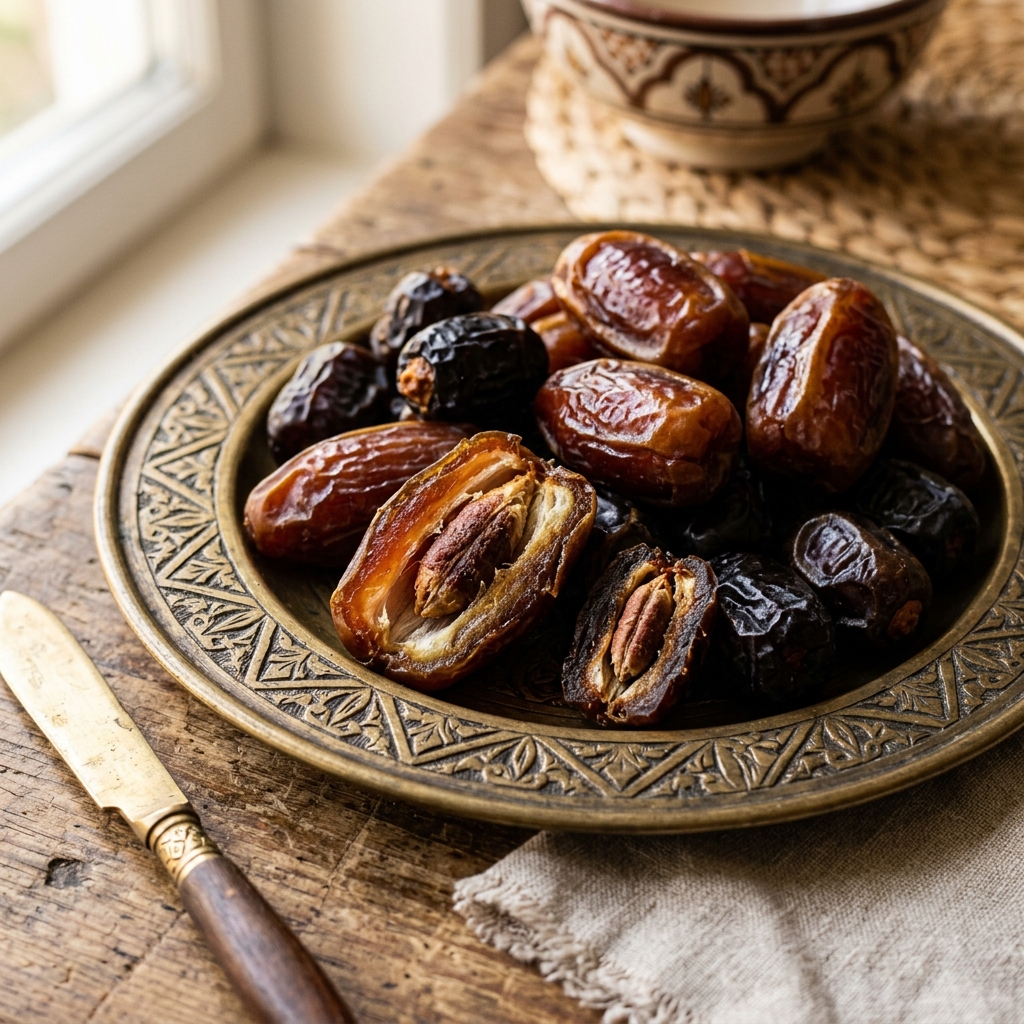
Explore dates nutrition, natural sugars, fiber and minerals, plus what research says about blood sugar, pregnancy, digestion, Ajwa dates and popular varieties.
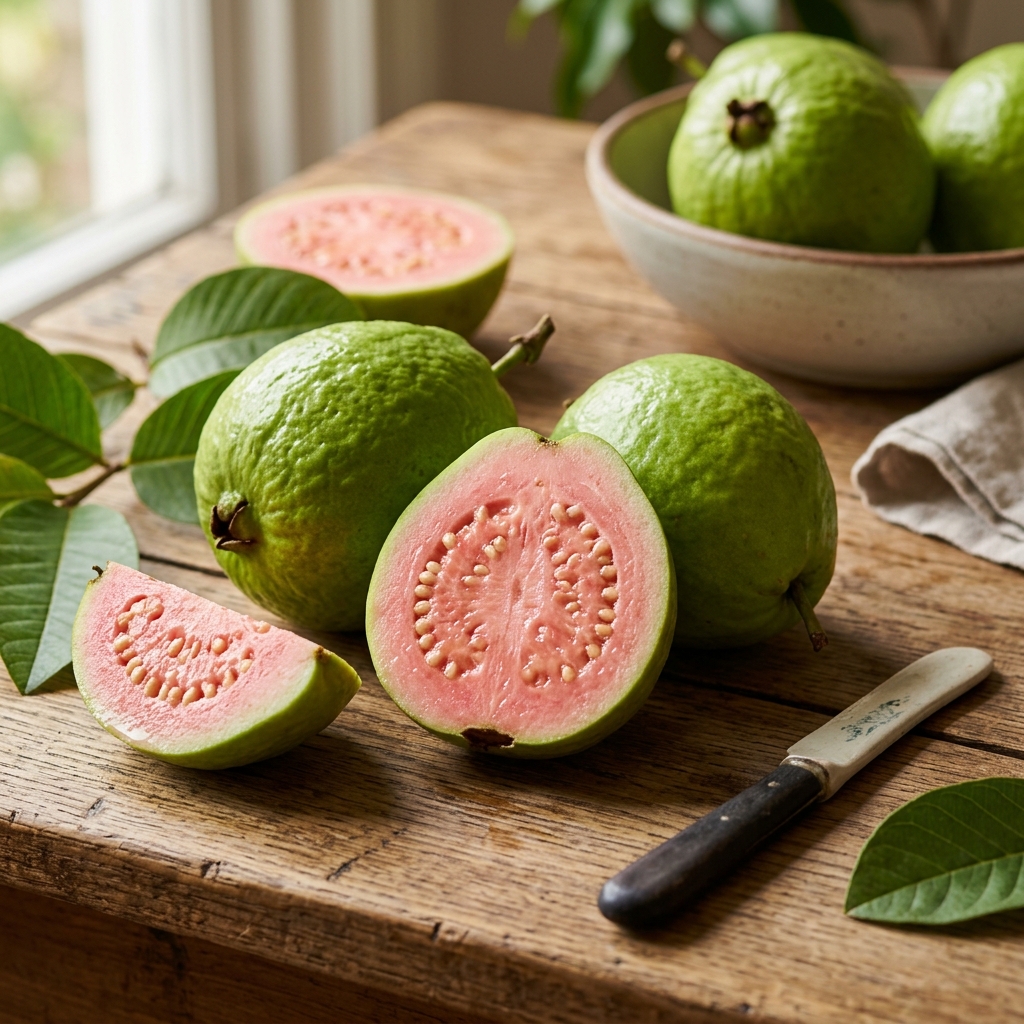
Explore guava nutrition, vitamin C, fiber and lycopene, plus what research says about blood sugar, blood pressure, digestion and cardiovascular health.
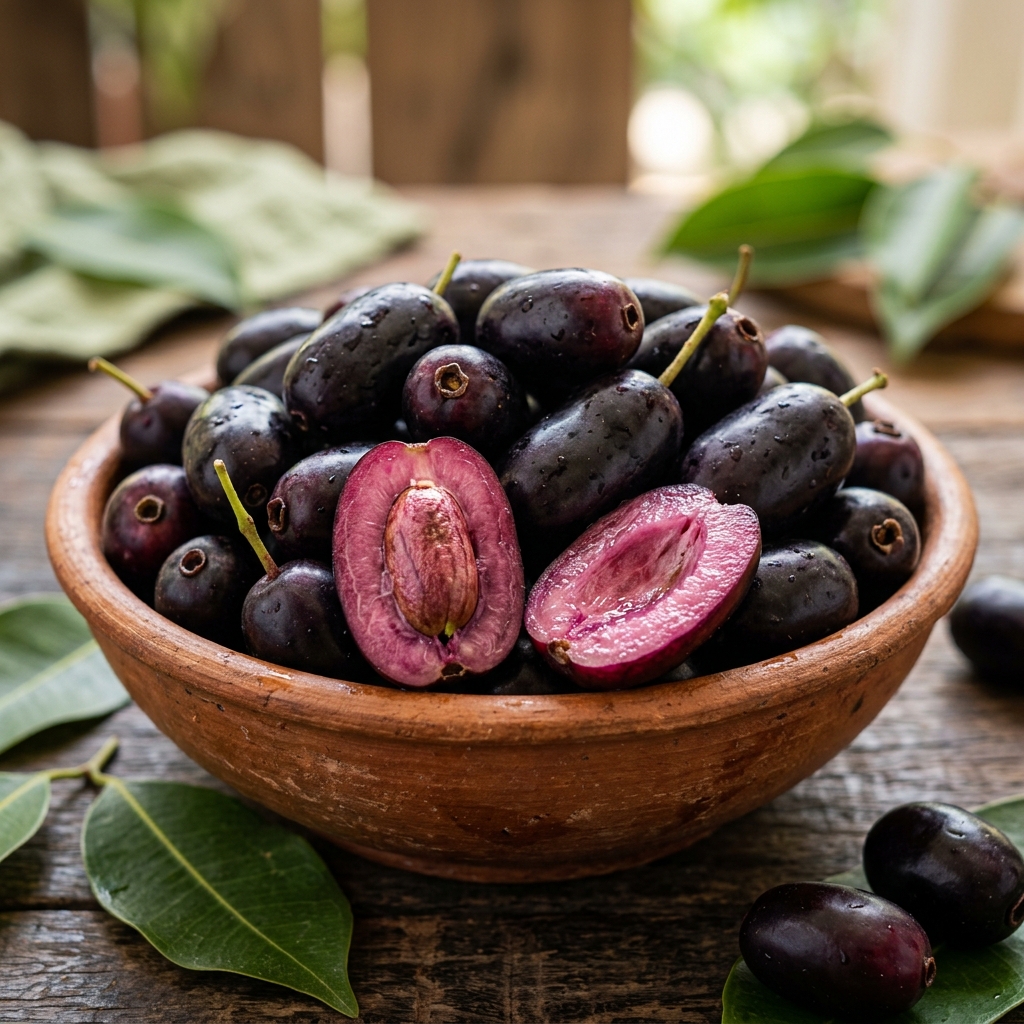
Explore jamun nutrition, vitamin C, anthocyanins and traditional seed use, plus what human research says about blood sugar, heart health and digestion.
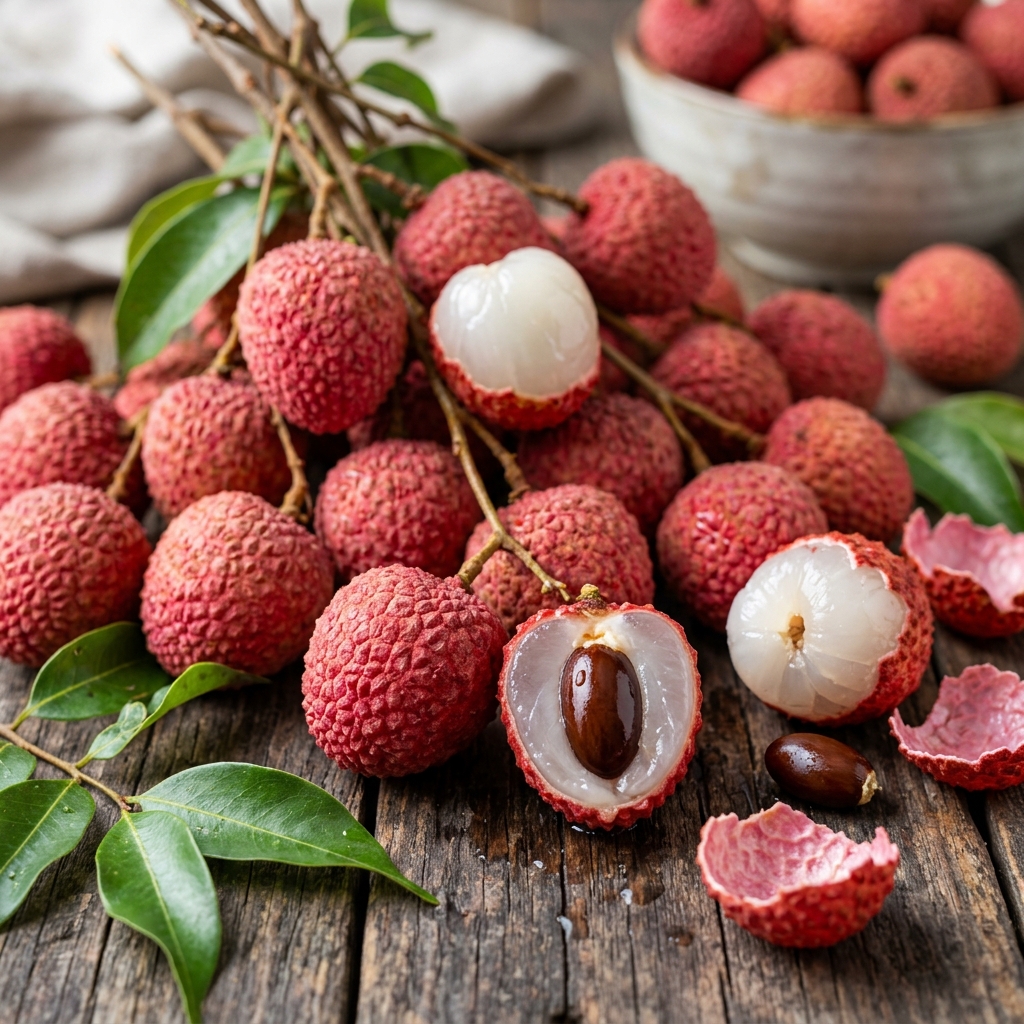
Explore lychee nutrition, vitamin C and polyphenols, plus what research says about digestion, antioxidants, vascular health and lychee's bioactive compounds.
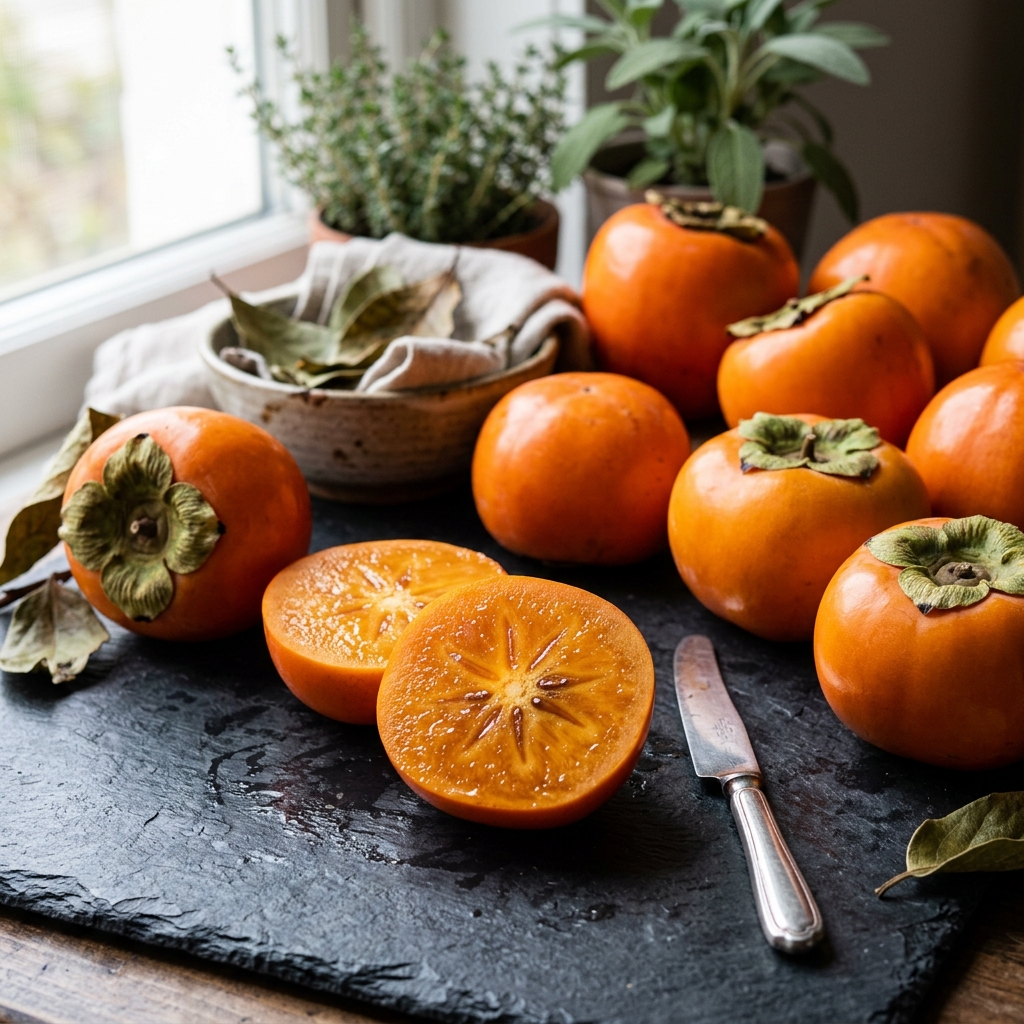
Explore persimmon (japani phal) nutrition, benefits and side effects, including Fuyu vs Hachiya, cholesterol research, diabetes, ripening and safety.
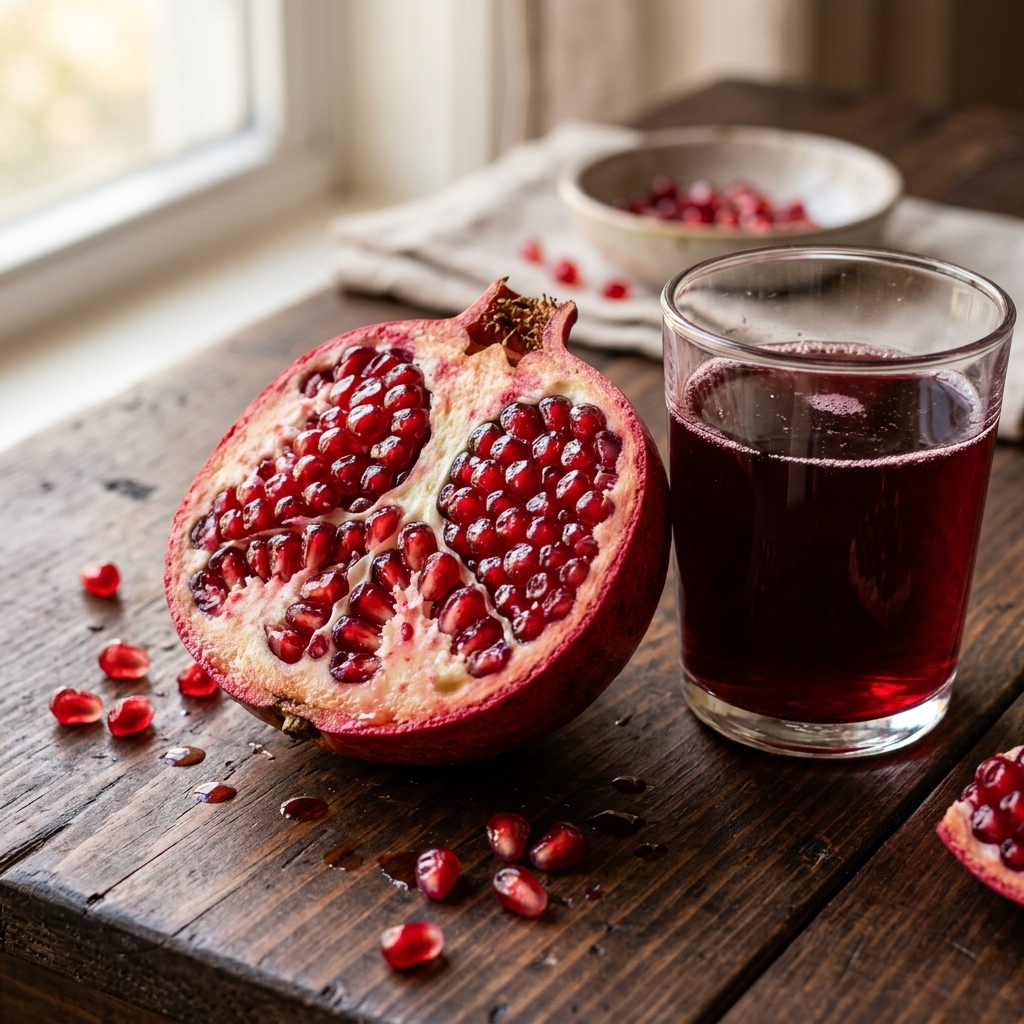
Explore pomegranate (anar) benefits, calories, fiber and juice, plus research on blood pressure, diabetes, urolithin A, kidney safety and how to eat it.
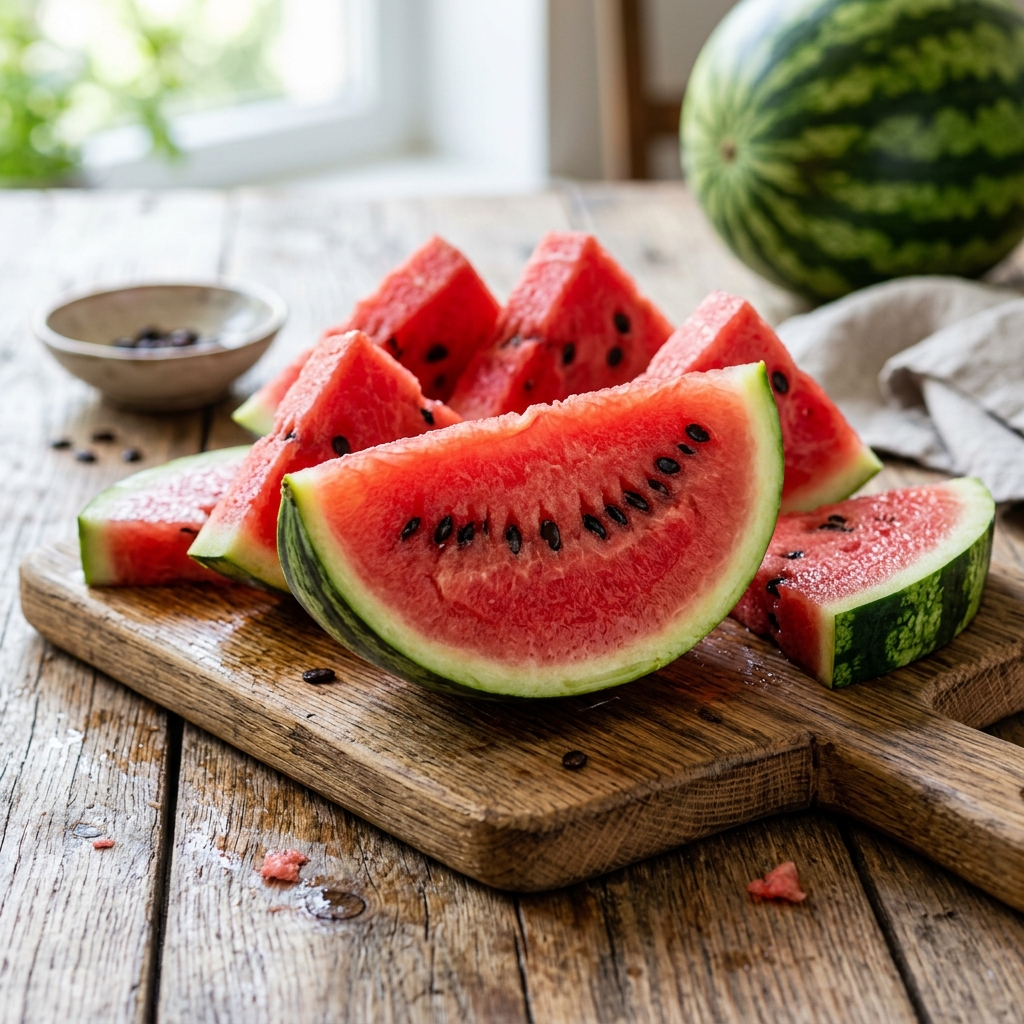
Explore watermelon nutrition, hydration, L-citrulline and lycopene, and learn what research says about exercise recovery, blood flow and overall health.
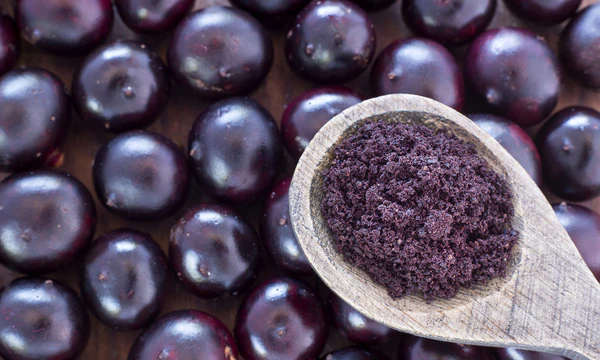
Learn about acai berry nutrition, antioxidants and potential health effects, including what research says about its polyphenols, cholesterol and blood sugar.
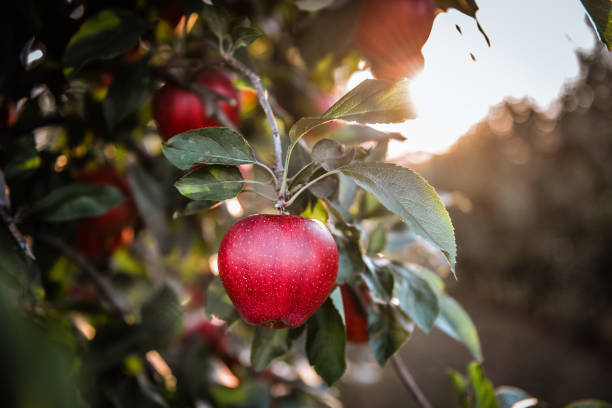
Explore apple nutrition, fiber, pectin and polyphenols, plus what research says about apples and gut health, cholesterol, blood sugar and weight management.
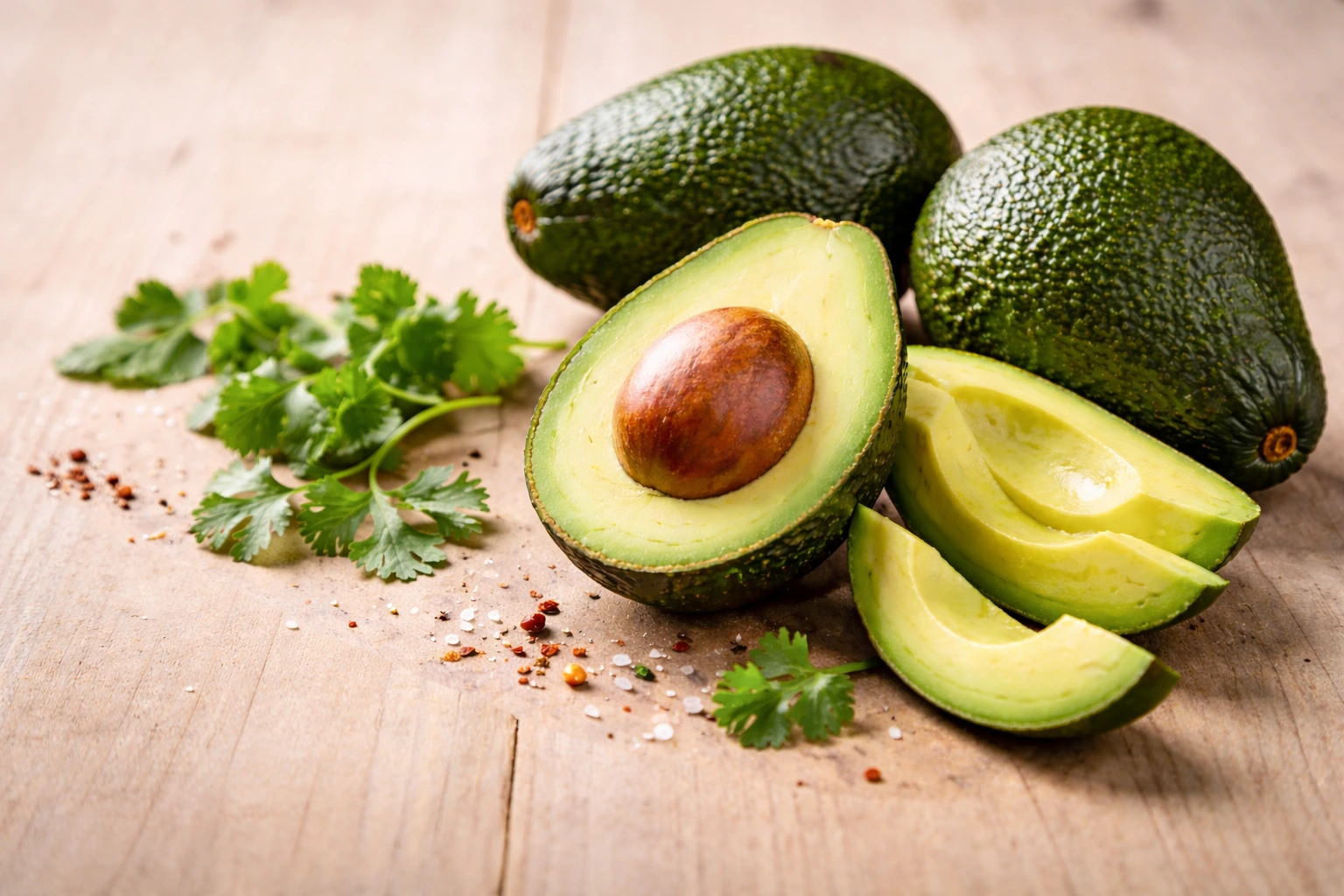
Explore avocado nutrition, monounsaturated fats, fiber and other nutrients, plus what research says about heart health, satiety and nutrient absorption.
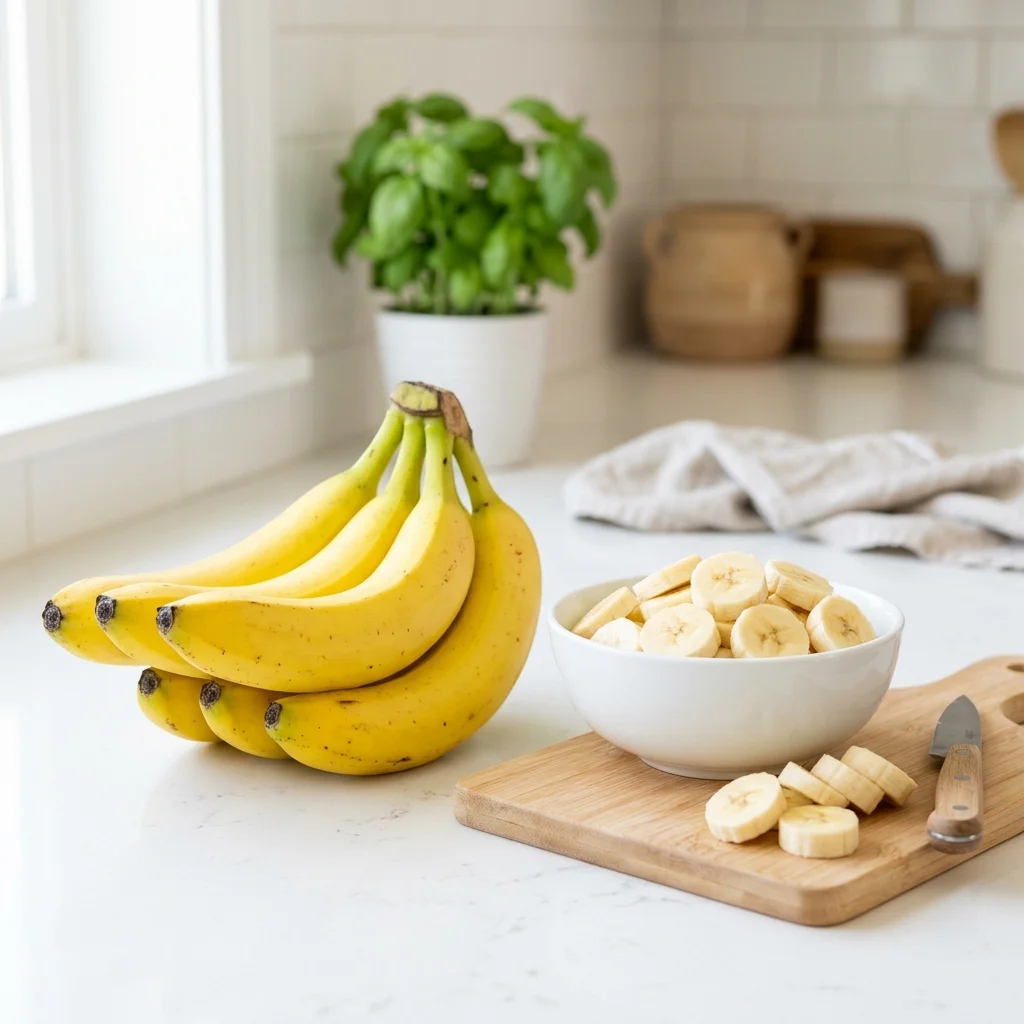
Discover banana nutrition, potassium, fiber and vitamin B6, how ripening changes resistant starch and sugars, and what research says about blood pressure, digestion, exercise, diabetes and pregnancy.
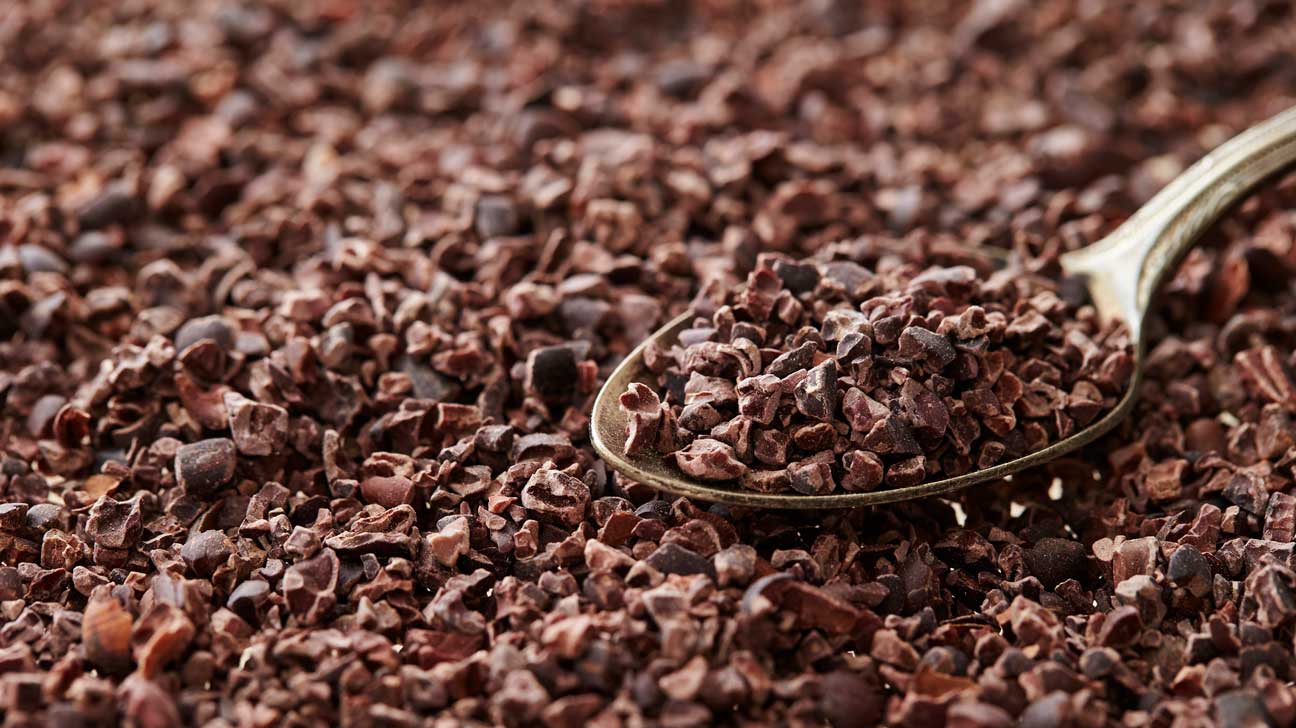
Explore cacao nibs nutrition, flavanols and theobromine, plus what research says about blood vessels, cardiovascular health, mood and antioxidant activity.
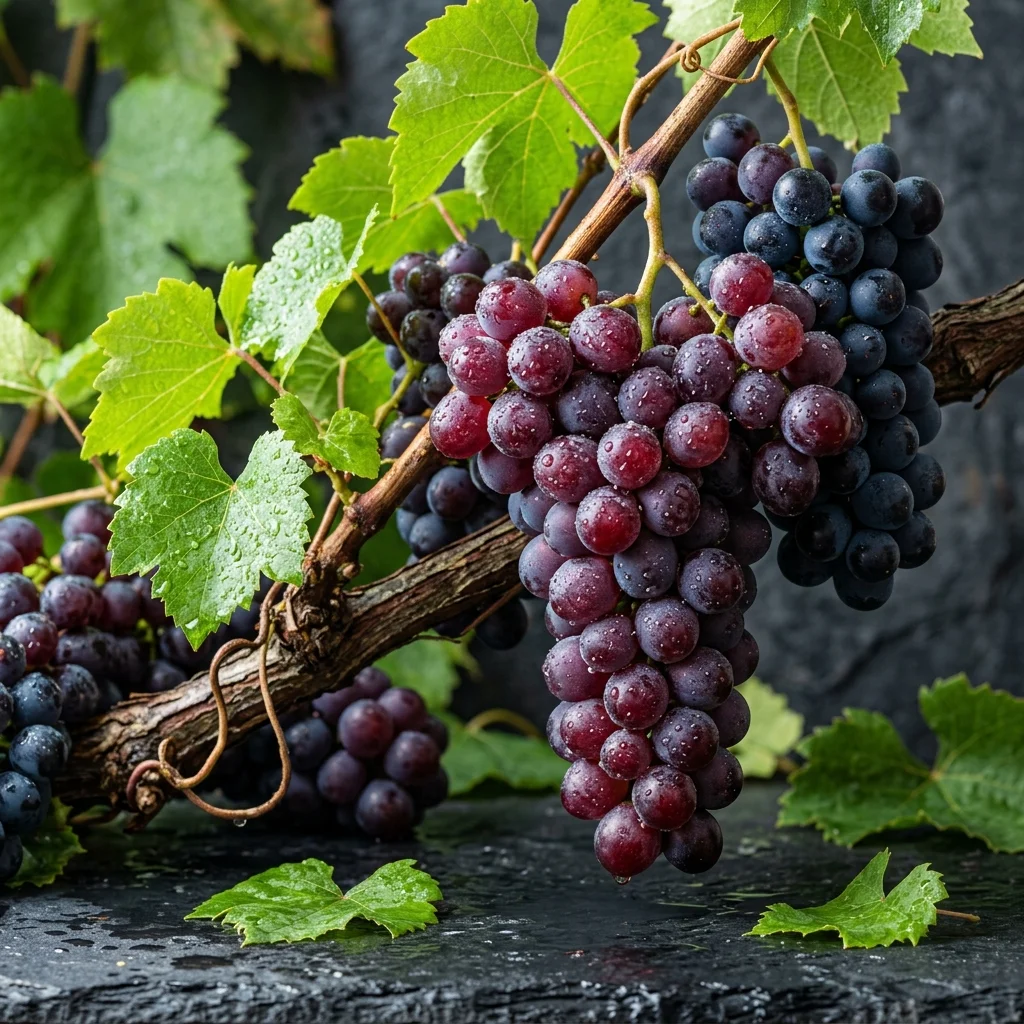
Discover grapes benefits, nutrition, calories and sugar, red vs green grapes, diabetes, raisins, resveratrol research, storage and important safety advice.
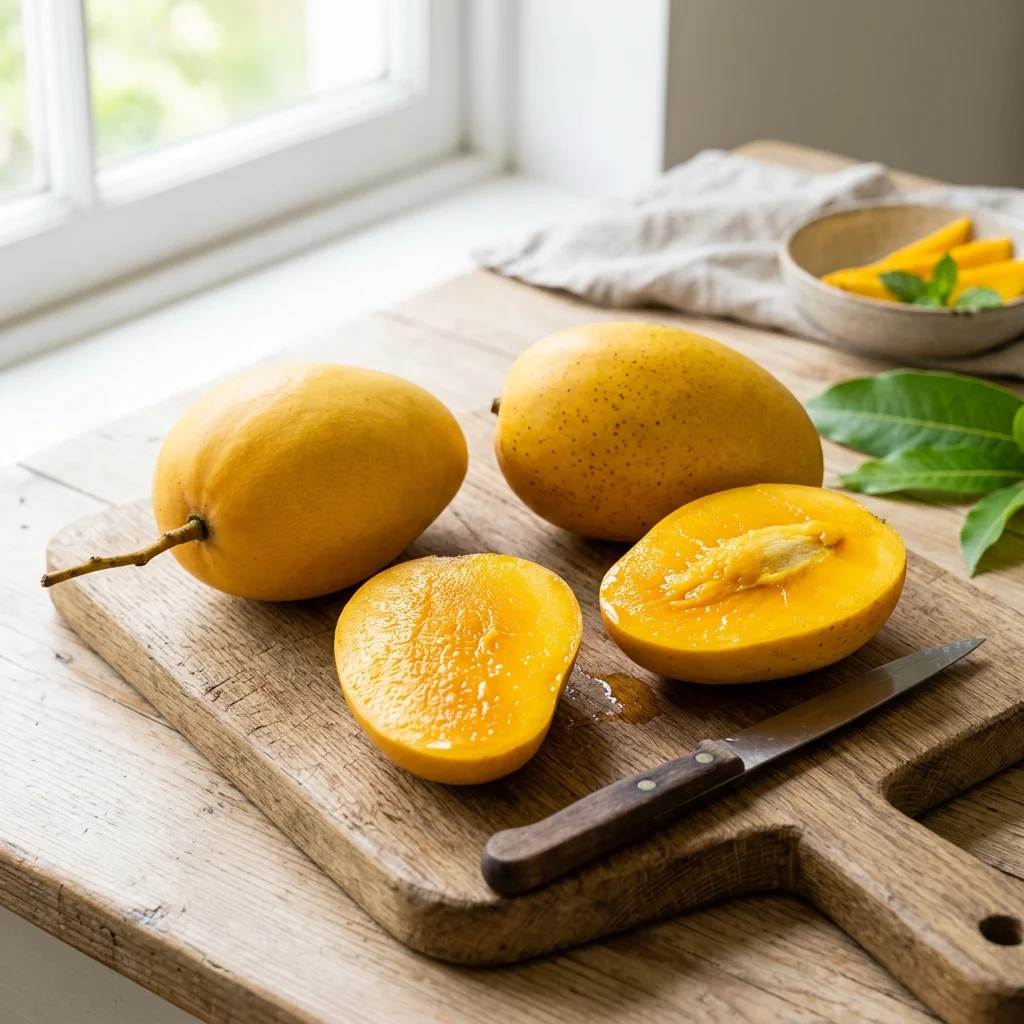
Explore mango benefits, nutrition, calories and sugar, plus research on diabetes, digestion, weight, pregnancy, Pakistani mango varieties and safety.
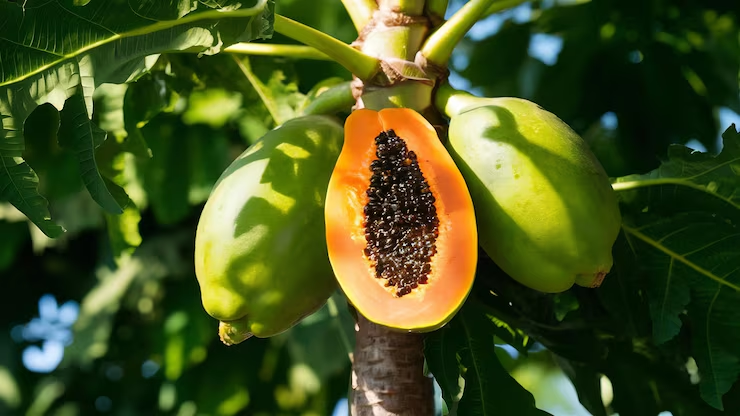
Explore papaya nutrition, vitamin C, fiber and papain, and learn what research says about digestion, antioxidant activity and other potential health effects.
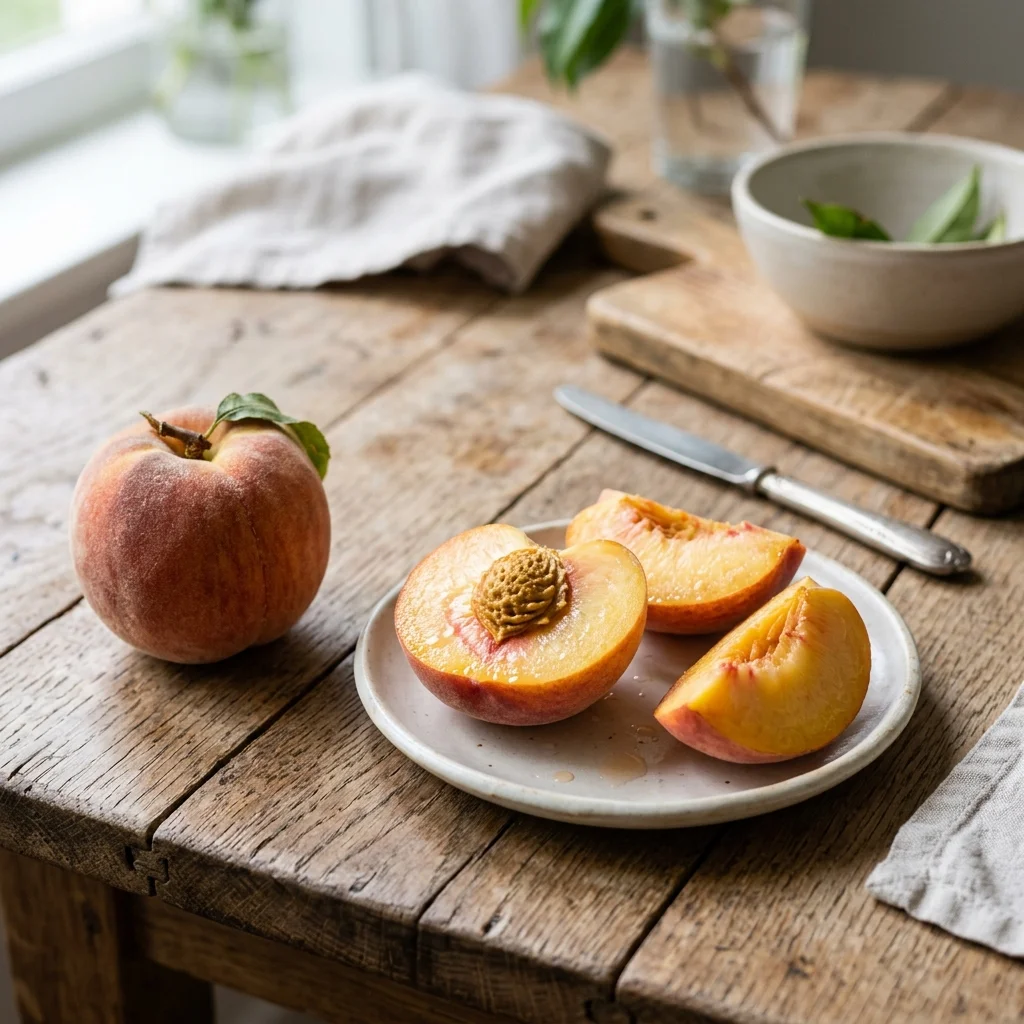
Explore peach nutrition, fiber, vitamin C and polyphenols, plus what research says about the peel, blood sugar, digestion and antioxidant activity.
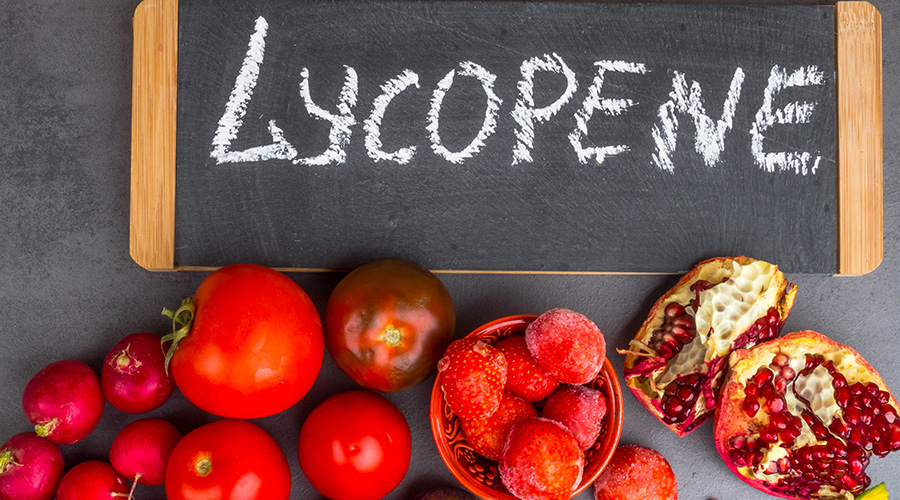
Learn about lycopene in tomatoes, how cooking changes its availability, and why pairing tomatoes with healthy fats can improve lycopene absorption.
No saved articles yet.
Click the bookmark button inside any article to save it here for offline reading!
Hi! I am Mapple AI, your food science research companion. Ask me anything about biomolecules, organic diet patterns, or longevity recipes.