Vegetable-forward meals
Explore greens, soups, salads, and vegetable-based sauces with technique notes.
 Mapple Health
 Explore recipes from cuisines around the world, with traditional cooking methods, ingredients, nutrition insights and the food science behind each dish.
Recipes are more useful when you understand the ingredients, technique, and substitutions behind them. Explore dishes from different kitchens and adapt them thoughtfully for taste, availability, and dietary needs.
Explore all 10 guidesTechnique changes texture, flavor, and sometimes the amount of added fat, salt, or sugar.
Ingredient swaps can work, but consider how they affect moisture, texture, cooking time, and allergens.
Follow safe handling, cooking, cooling, and storage advice for ingredients that need it.
Browse recipes across cuisines and use each one to explore ingredients, preparation methods, and food traditions.
Explore greens, soups, salads, and vegetable-based sauces with technique notes.
Food practices are shaped by local ingredients, history, and community traditions.
Food thermometers, clean preparation, and prompt refrigeration help reduce foodborne illness risk.
Often, but the result depends on the ingredient’s role. A swap may change moisture, structure, flavor, cooking time, or allergens. For baking, use tested substitutions where possible; for savory dishes, adjust gradually and check doneness.
Source: FoodSafety.gov safe preparation basicsUse a food thermometer and the safe internal temperature for that food rather than judging by color. The target differs for poultry, ground meat, whole cuts, and seafood.
Source: FoodSafety.gov temperature chartStorage time depends on the food and local guidance. Refrigerate perishable leftovers promptly in shallow containers and consult an official cold-storage chart for specific foods; discard food left too long at room temperature.
Source: FoodSafety.gov cold storage chart10 articles to explore at your own pace, with the newest published guides first.
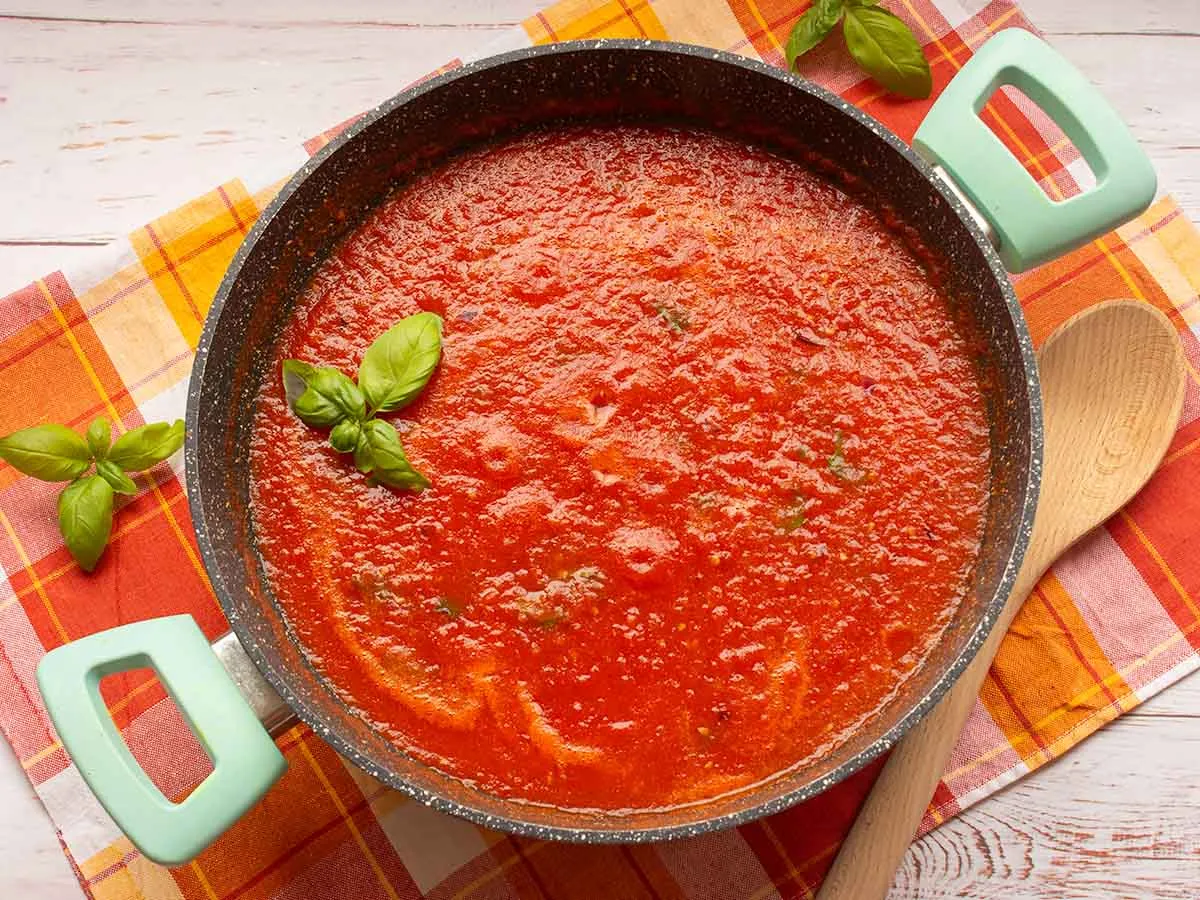
Make classic Italian pomodoro sauce with tomatoes, basil and olive oil. Get the traditional method, ingredient tips and simple ways to build rich flavor.
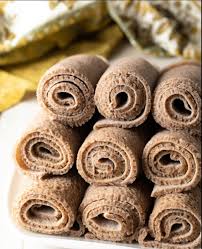
Make traditional Ethiopian injera with teff and fermentation. Learn the step-by-step method, fermentation basics, texture tips and nutritional properties.
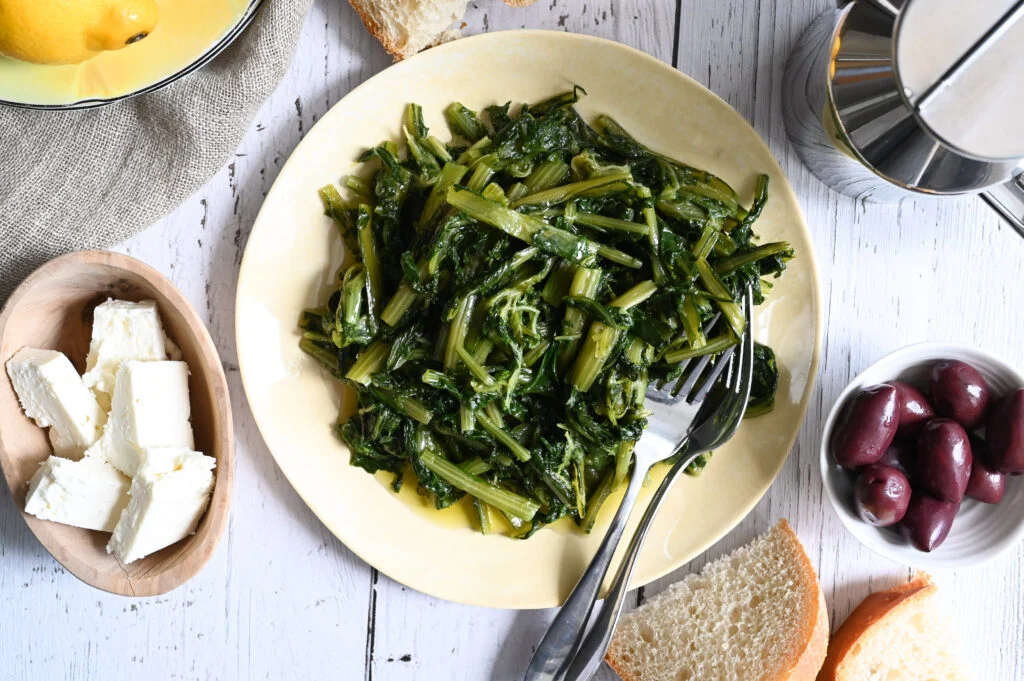
Make Greek horta with steamed wild greens, olive oil and lemon. Learn how to choose, prepare and serve traditional greens while preserving their nutrients.
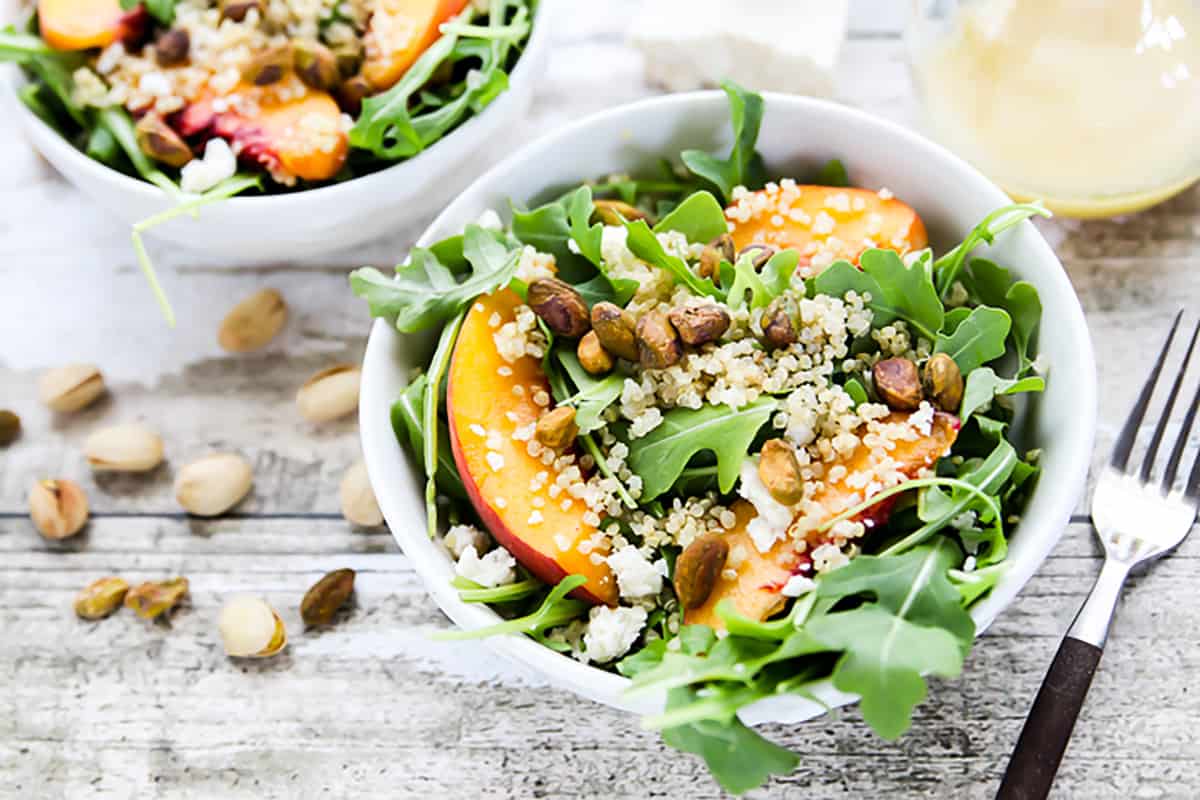
Make a high-protein Andean quinoa salad with fluffy grains, fresh vegetables and herbs. Learn how rinsing removes saponins and improves quinoa's flavor.
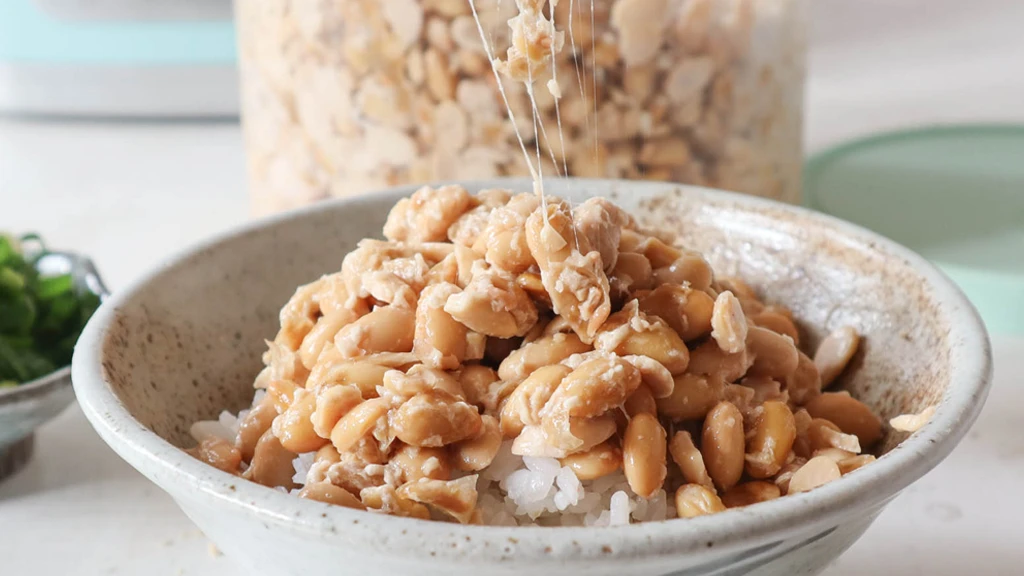
Learn how to make traditional Japanese natto at home with fermented soybeans, including the fermentation process, texture, storage and nutritional properties.
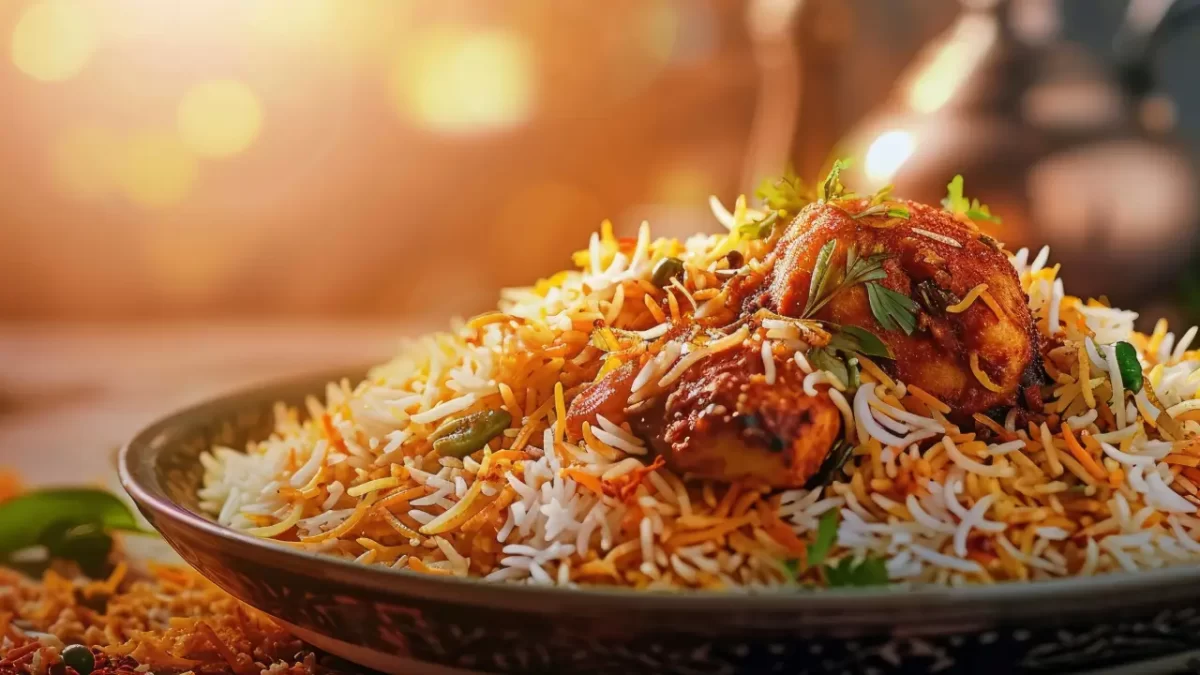
Make authentic Karachi biryani with basmati rice, spiced meat and layered dum cooking. Get the traditional method, ingredient tips and cooking techniques.
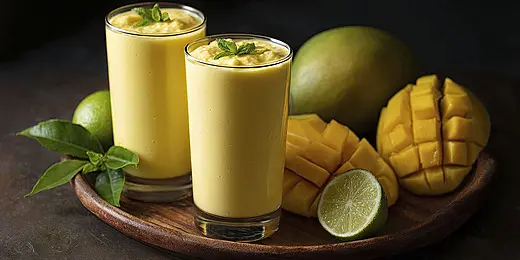
Make creamy mango lassi with yogurt, ripe mango and cardamom. Get the traditional method plus tips for texture, sweetness and fermented dairy nutrition.
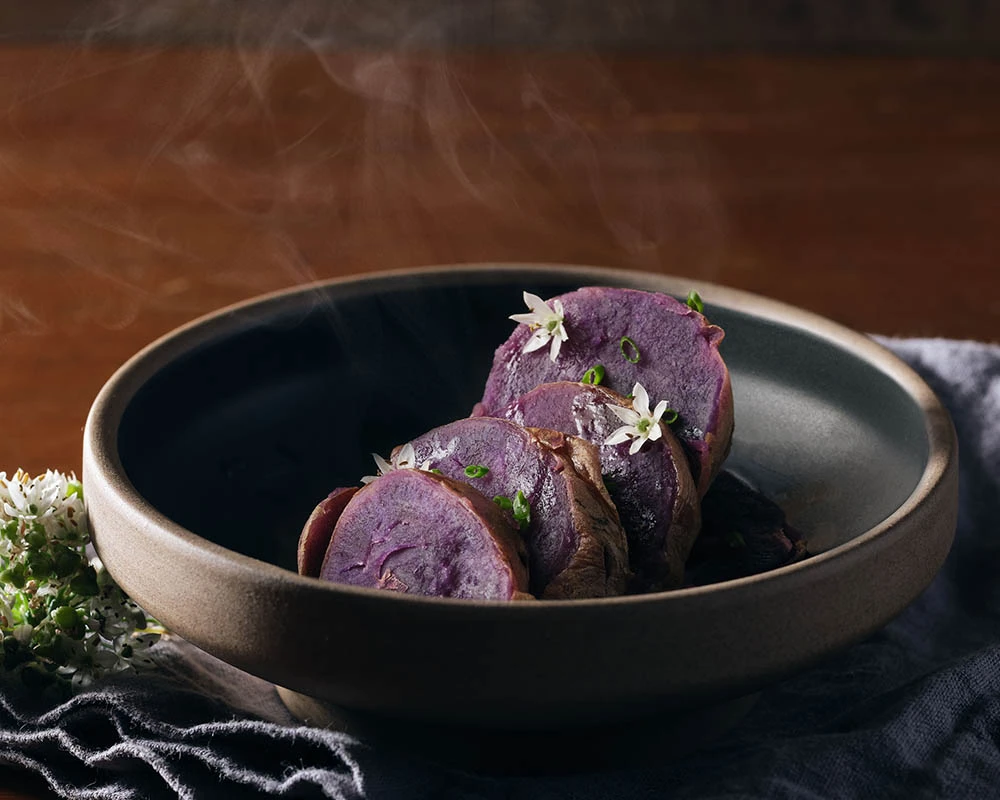
Make Okinawan purple sweet potatoes with a simple traditional method. Learn about steaming, anthocyanins, texture and sweet potatoes in Okinawan cuisine.
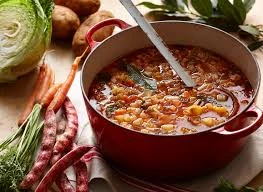
Make traditional Sardinian minestrone with legumes, vegetables and grains. Get the recipe, cooking method and a look at its place in Sardinian food culture.
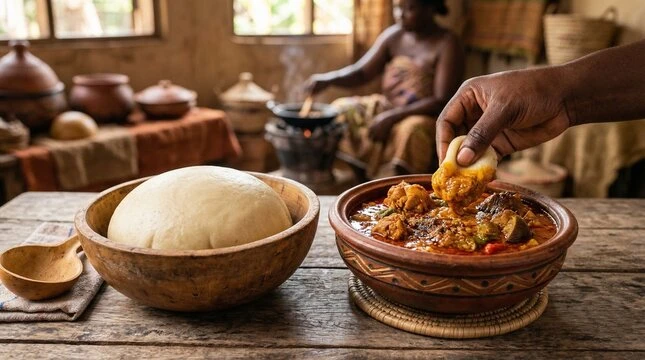
Learn how to make traditional West African fufu, including cassava preparation, pounding, texture and fermentation techniques used in different variations.
No saved articles yet.
Click the bookmark button inside any article to save it here for offline reading!
Hi! I am Mapple AI, your food science research companion. Ask me anything about biomolecules, organic diet patterns, or longevity recipes.