Leaves & sprouts
Get to know leafy greens and young sprouts, including the compounds discussed in their individual guides.
 Mapple Health
 Explore vegetable nutrition, health benefits, bioactive compounds and preparation tips, from everyday garden vegetables to lesser-known varieties.
Leaves, bulbs, roots, and kitchen staples each have their own story. This collection helps you explore individual ingredients, understand their nutrition tables, and connect the science with the way you prepare a meal.
Explore all 14 guidesBegin with a vegetable you cook often, then compare it with something you would like to try.
Check whether nutrition figures refer to raw or cooked food. Preparation and serving size are part of the comparison.
Use the sources and research discussion in each guide to distinguish an everyday ingredient from a concentrated extract studied in a trial.
These starting points organize familiar ingredients by the way you encounter them, without changing their article categories.
Get to know leafy greens and young sprouts, including the compounds discussed in their individual guides.
Explore ingredients that often begin a meal, from chopped onions to garlic and ginger, and read the research behind them.
Follow your curiosity beyond the usual shopping basket with guides to distinctive ingredients and preparations.
First check the amount and whether the food is raw, cooked, or prepared as a drink. Compare like with like, then read the explanation beside each nutrient instead of judging the ingredient by a single number.
Explore the spinach guideNo. A whole-food guide looks at the ingredient, while a compound guide focuses on a particular substance. The amount and form used in research may differ from an ordinary meal; read the study discussion for that distinction.
Explore the allicin discussionPick an ingredient you already enjoy, explore its preparation sections, and then visit the recipe collection. A greens-based dish is one way to connect an ingredient guide with a cooking method.
Explore the Greek greens recipe14 articles to explore at your own pace, with the newest published guides first.
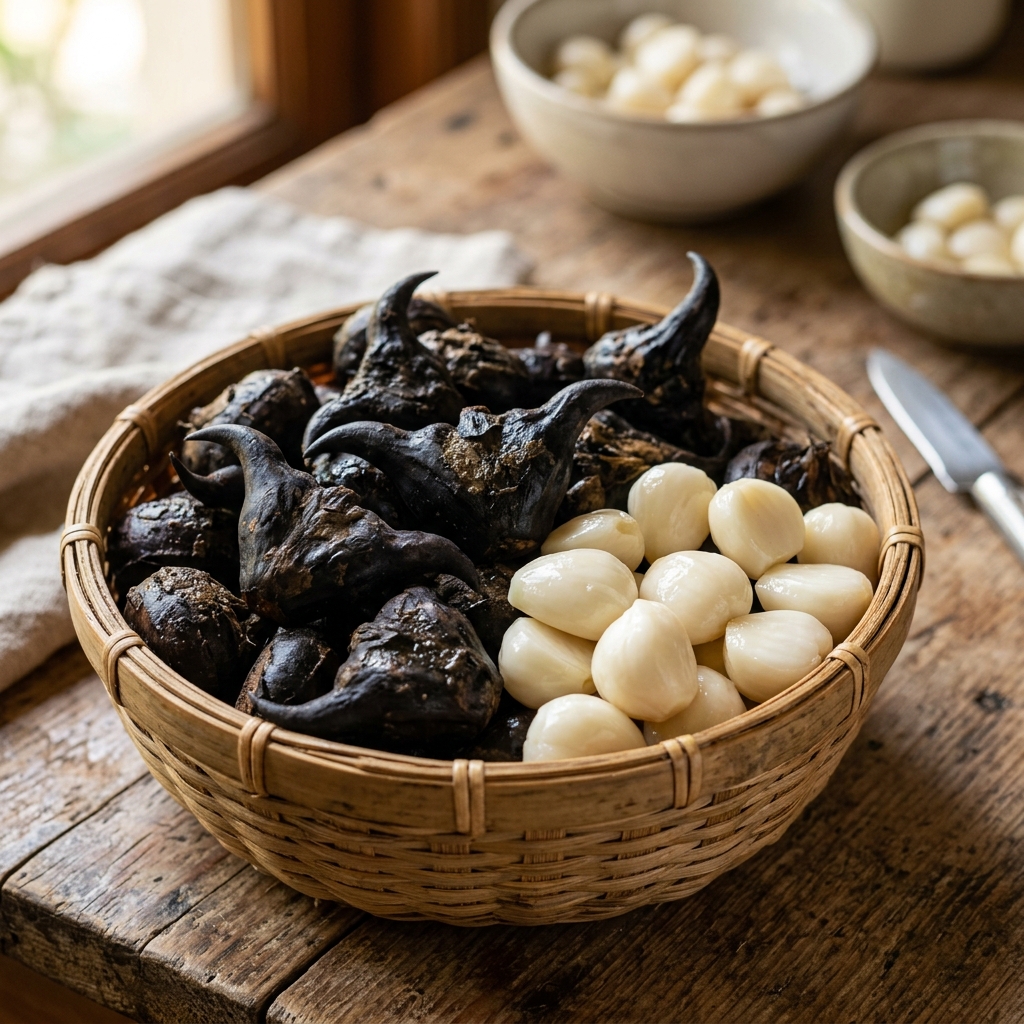
Explore singhara (water chestnut) nutrition, including potassium, fiber and starch, plus what research says about digestion, blood sugar and overall nutrition.
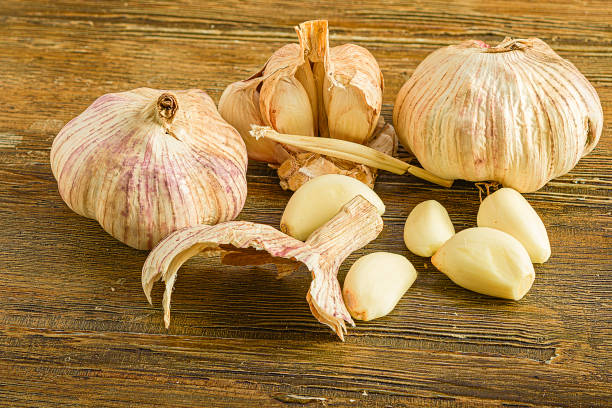
Learn how crushing garlic forms allicin and what research says about its antioxidant and cardiovascular effects, plus how preparation affects allicin formation.
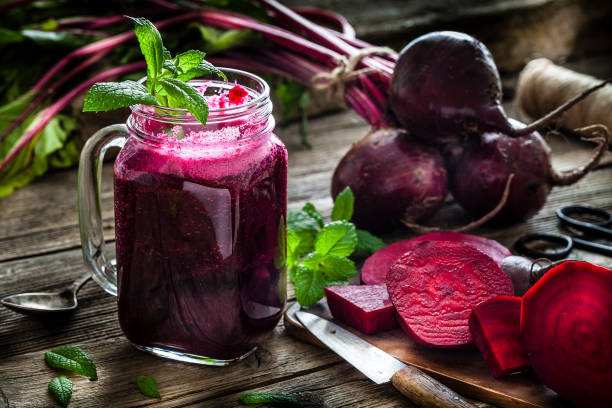
Learn how beetroot juice provides dietary nitrates, and see what current research says about nitric oxide, blood flow, blood pressure and exercise performance.
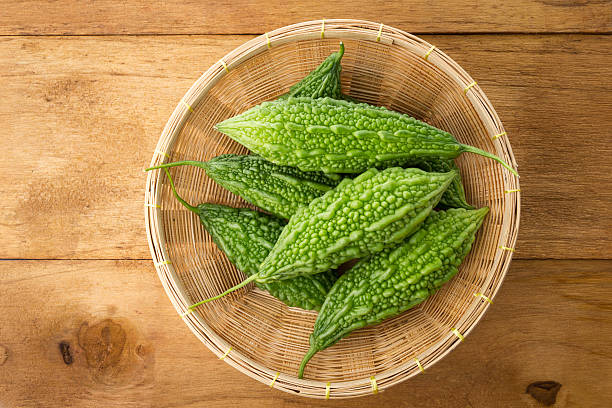
Explore bitter melon nutrition and bioactive compounds, including what research says about glucose metabolism and its potential role in blood sugar management.
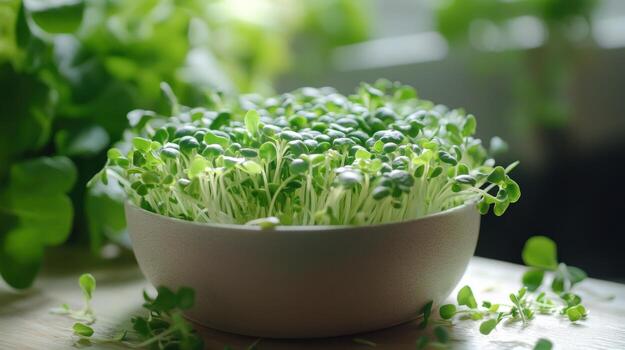
Learn why broccoli sprouts are rich in sulforaphane, how the compound is formed, and what research says about Nrf2, antioxidant defenses and human health.
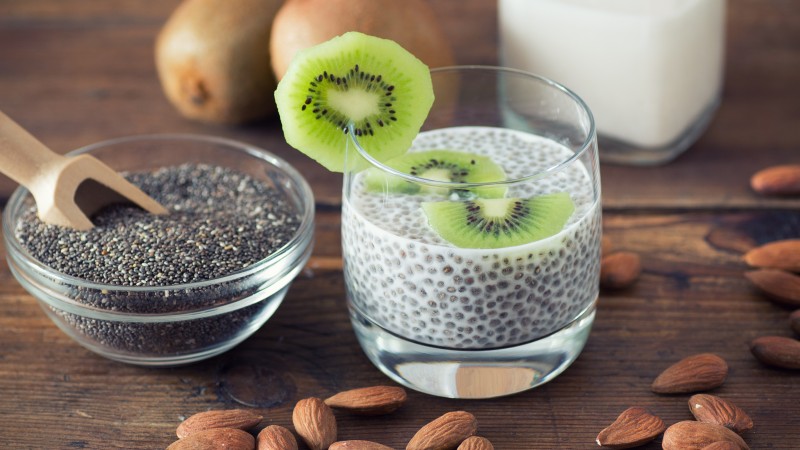
Explore chia seed nutrition, soluble fiber and plant-based ALA omega-3s, plus their potential roles in digestion, satiety and cardiovascular health in the diet.
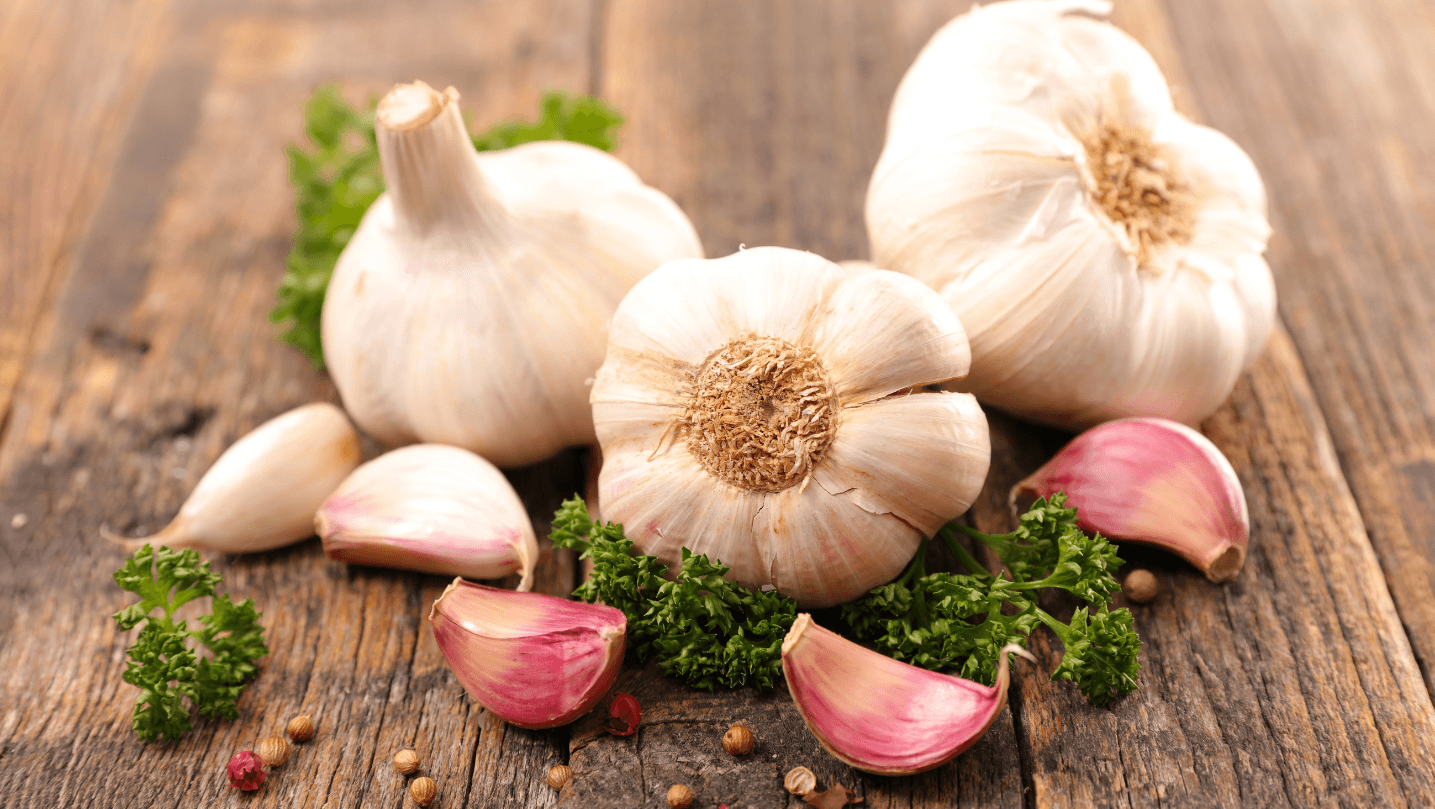
Explore garlic's allicin and other organosulfur compounds, including how they form and what research says about cardiovascular, immune and antioxidant effects.
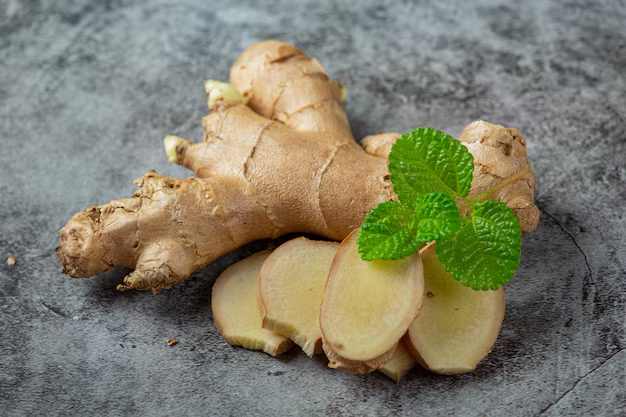
Explore ginger's gingerols and shogaols, including what research says about nausea, digestion, inflammation and how cooking changes its active compounds.
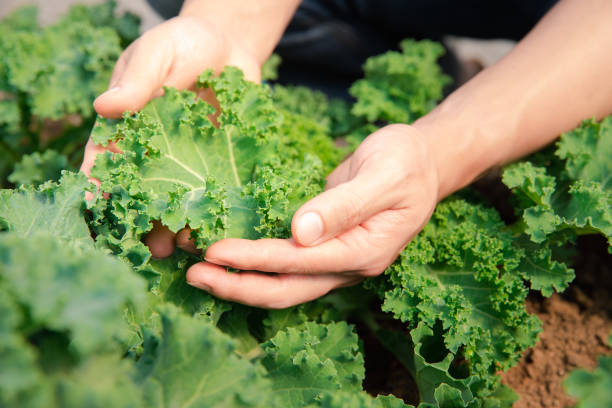
Explore kale nutrition, vitamin K, carotenoids and other plant compounds, plus what research says about bone health, heart health and overall nutrition.
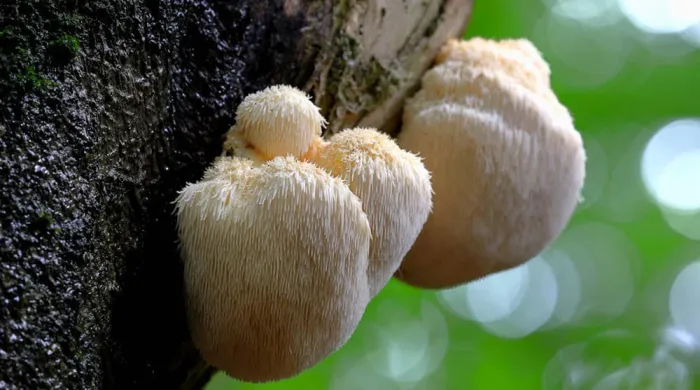
Explore Lion's Mane mushroom compounds such as hericenones and erinacines, and what research says about memory, cognition and nerve growth factor pathways.
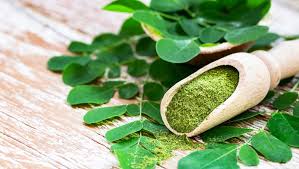
Explore moringa nutrition, including protein, iron, polyphenols and glucosinolates, and what research says about antioxidant activity and health effects.
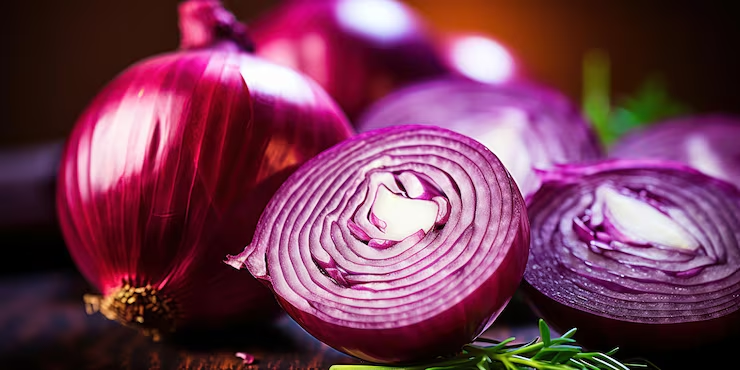
Explore onion nutrition, quercetin and organosulfur compounds, and what research says about onions, gut health, cardiovascular health and antioxidant activity.
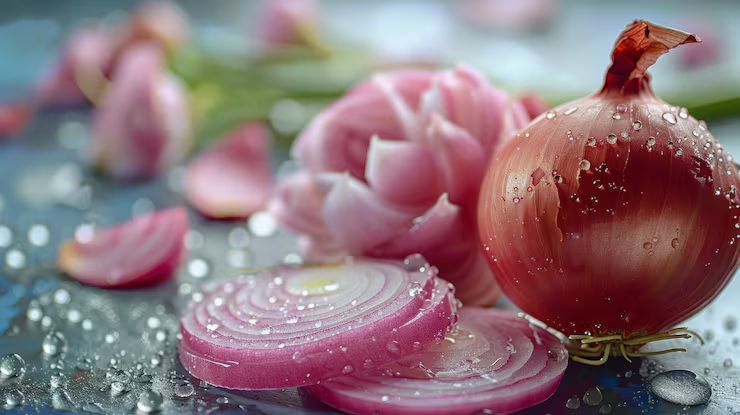
Learn about onion nutrition and bioactive compounds such as quercetin and organosulfurs, including their roles in digestion, gut microbes and heart health.
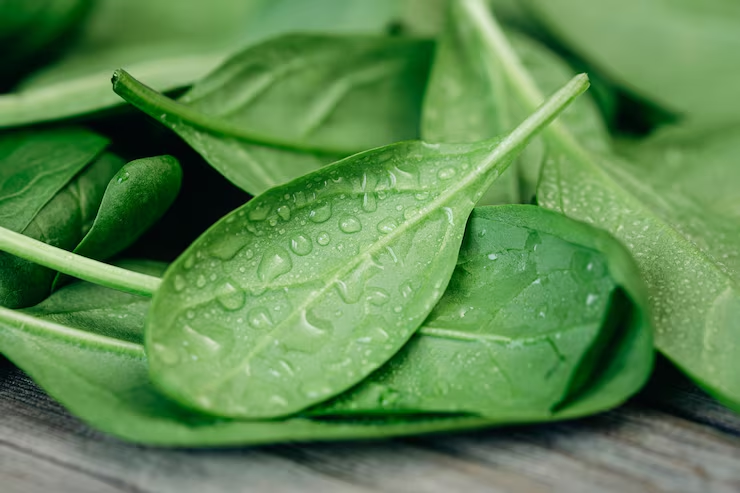
Explore spinach nutrition, lutein, zeaxanthin and fiber, and learn what research says about eye health, satiety and the effects of cooking on its nutrients.
No saved articles yet.
Click the bookmark button inside any article to save it here for offline reading!
Hi! I am Mapple AI, your food science research companion. Ask me anything about biomolecules, organic diet patterns, or longevity recipes.