Blood sugar and digestion
Start with guides that address meal planning and common digestive concerns.
 Mapple Health
 Explore food and nutrition guides for common health conditions, including practical dietary choices, relevant nutrients and what research says about them.
Diet can be one part of managing health, but needs vary by diagnosis, medicines, and personal circumstances. These evidence-aware guides help you explore food-related questions while keeping individual medical care in view.
Explore all 11 guidesA diet approach for one condition may not fit another or the same person at every stage.
Check whether a claim comes from human studies and whether the evidence applies to food or supplements.
For diagnosed conditions, coordinate changes with your clinician or registered dietitian.
Explore condition-specific articles, then use the linked sources to understand evidence and when to seek individualized advice.
Start with guides that address meal planning and common digestive concerns.
These conditions can call for different approaches; avoid applying one general food rule to all.
For medical nutrition therapy, use a qualified professional who knows your diagnosis and medicines.
No single food should be presented as a cure. Diet can contribute to an overall care plan, but the right approach depends on the condition and person. Do not replace prescribed treatment with a food, spice, or supplement.
Source: NIDDK guidance on care planningPossibly, but the right changes depend on your diagnosis, medicines, test results, and nutritional needs. Ask your health-care team for guidance; a registered dietitian can provide individualized medical nutrition therapy for many conditions.
Source: NIDDK healthy living guidanceNo. Supplements can have side effects, vary in quality, and interact with medicines. Discuss them with a clinician or pharmacist, particularly when managing a health condition or taking prescription drugs.
Source: NIH Office of Dietary Supplements11 articles to explore at your own pace, with the newest published guides first.

Learn what to eat and drink when blood pressure is low, including fluids, sodium, meal timing and when dizziness or persistent hypotension needs medical care.
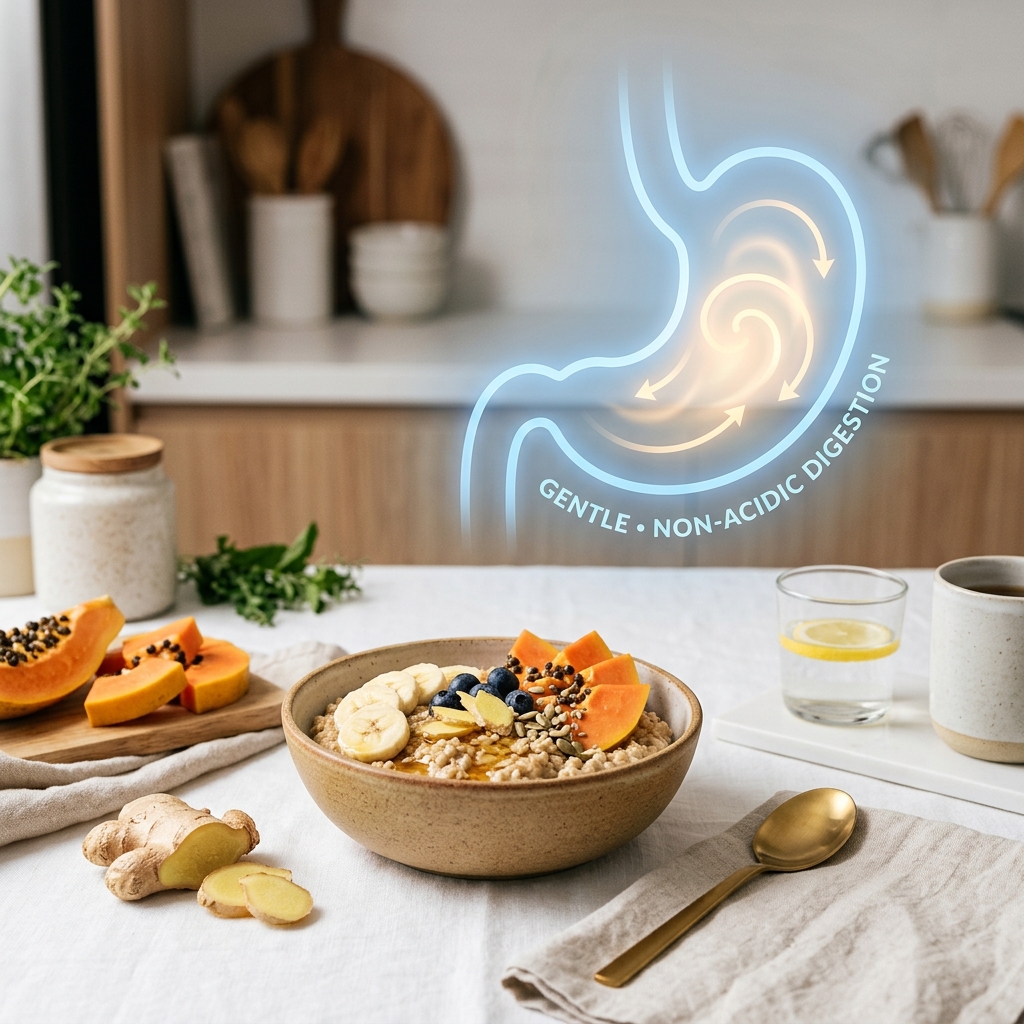
Learn which foods may fit an acid reflux diet, what commonly triggers symptoms, and how fruits, vegetables, grains and drinks can affect heartburn and GERD.
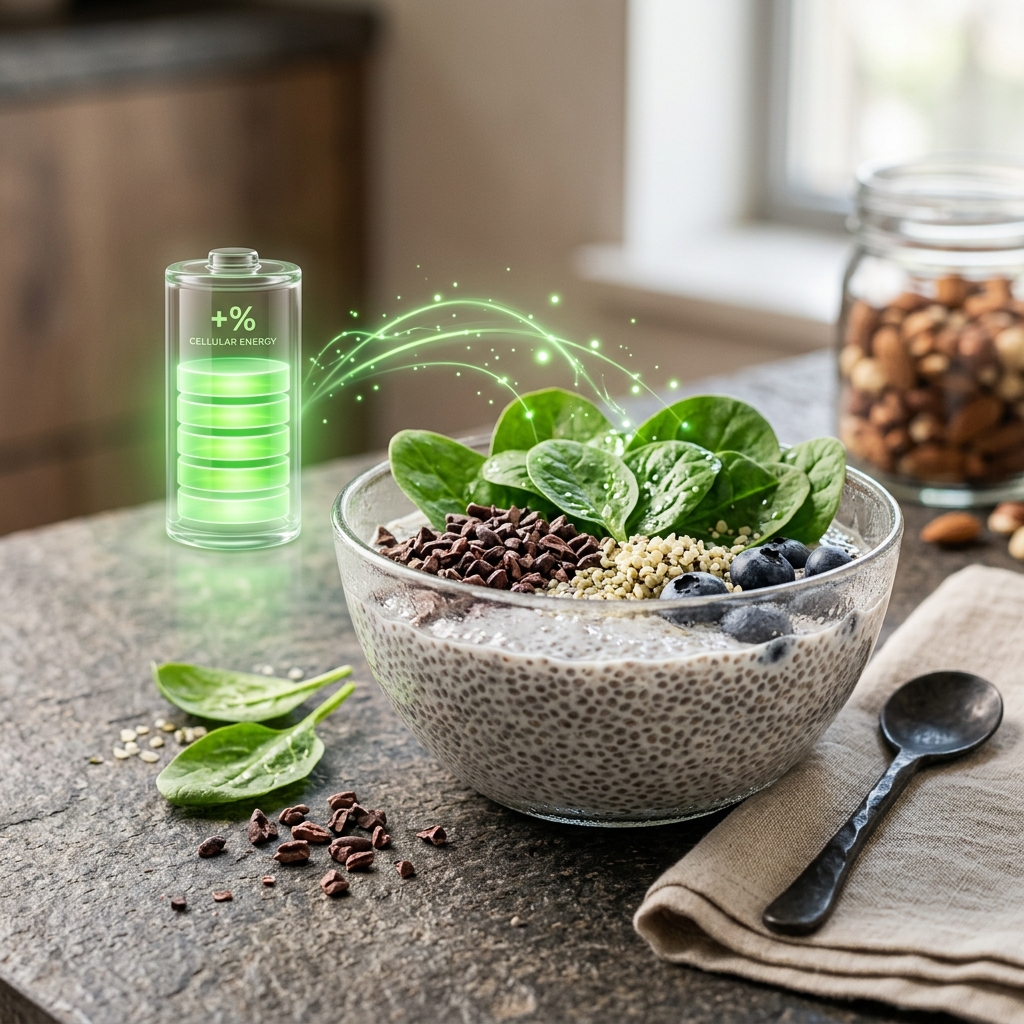
Explore nutrition for everyday fatigue, including iron, hydration, protein and energy foods, and learn when persistent fatigue needs medical attention.
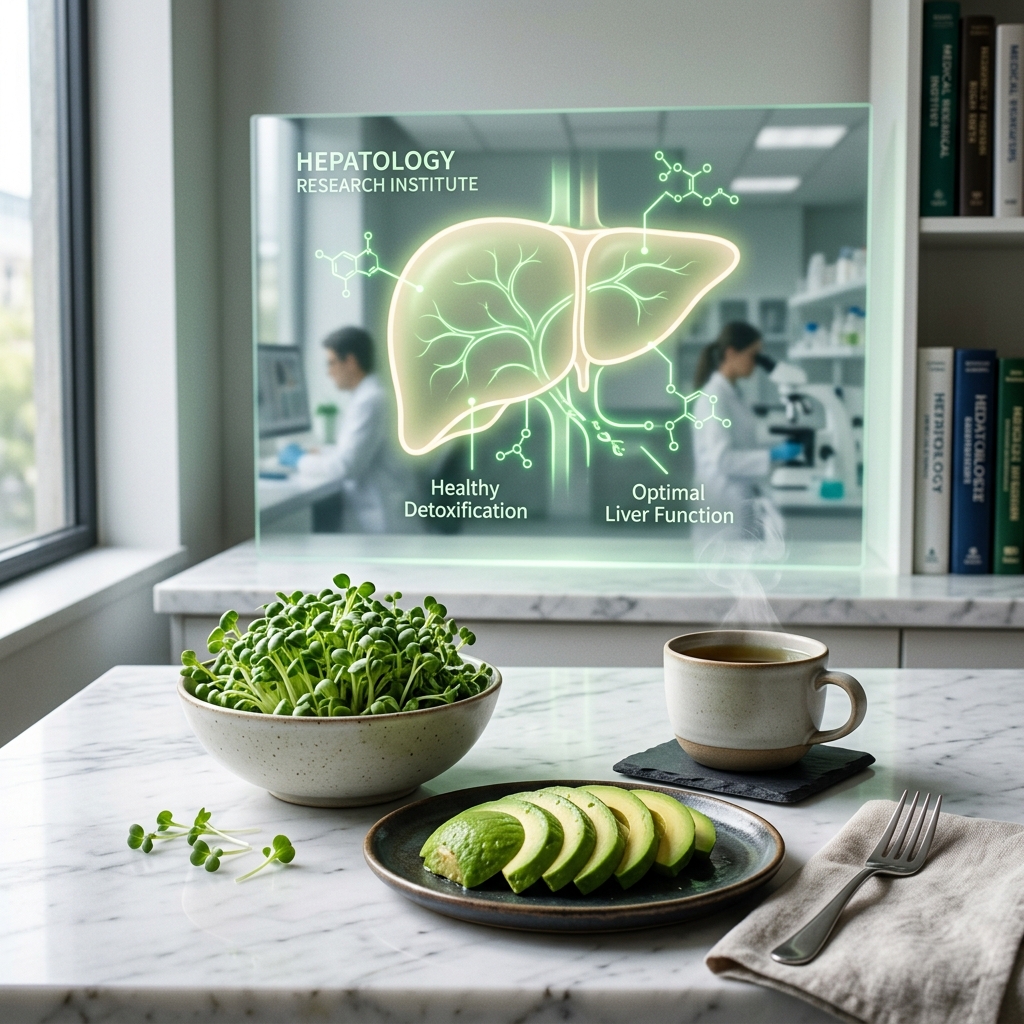
Learn which foods and dietary patterns may support liver health in fatty liver disease, including fiber-rich foods, coffee, vegetables and healthy fats.
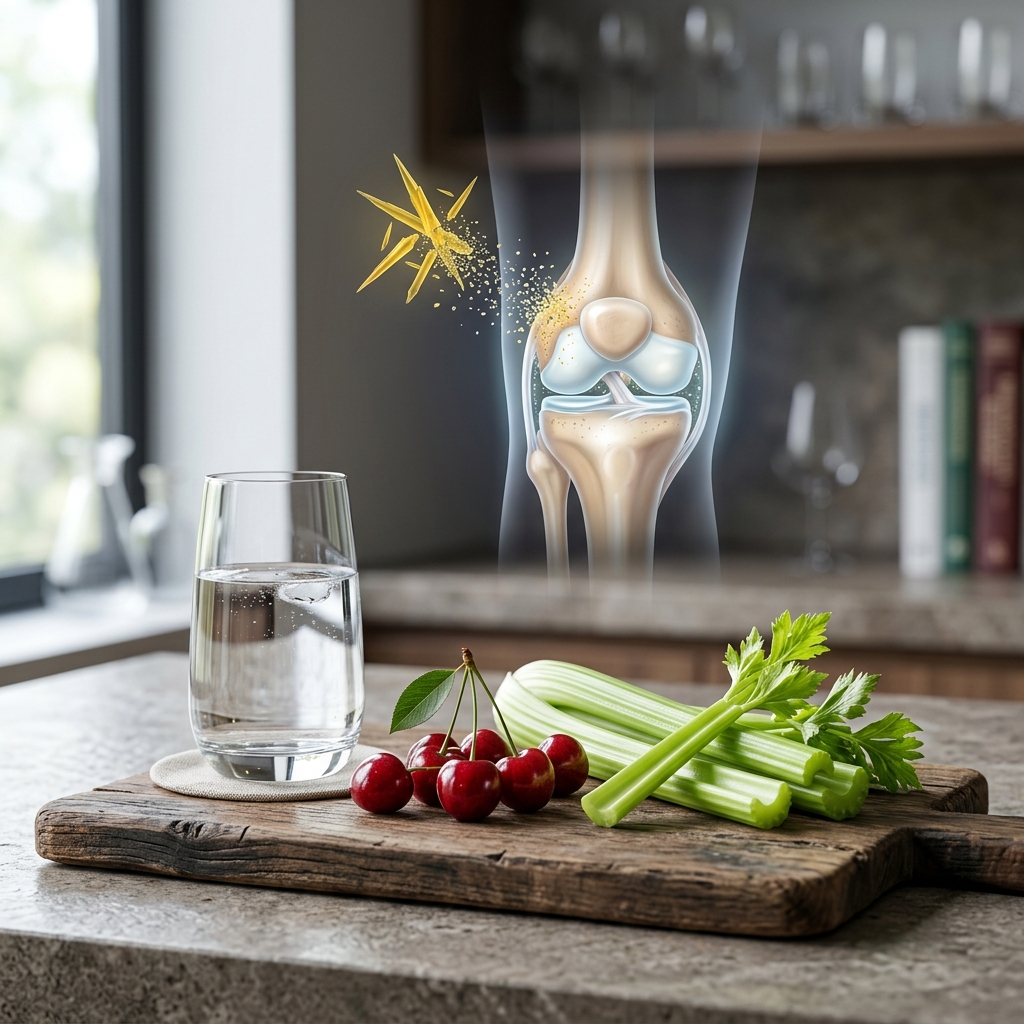
Learn how hydration, purine intake, dairy, vitamin C and other dietary factors relate to uric acid and gout, with practical foods to include and limit.
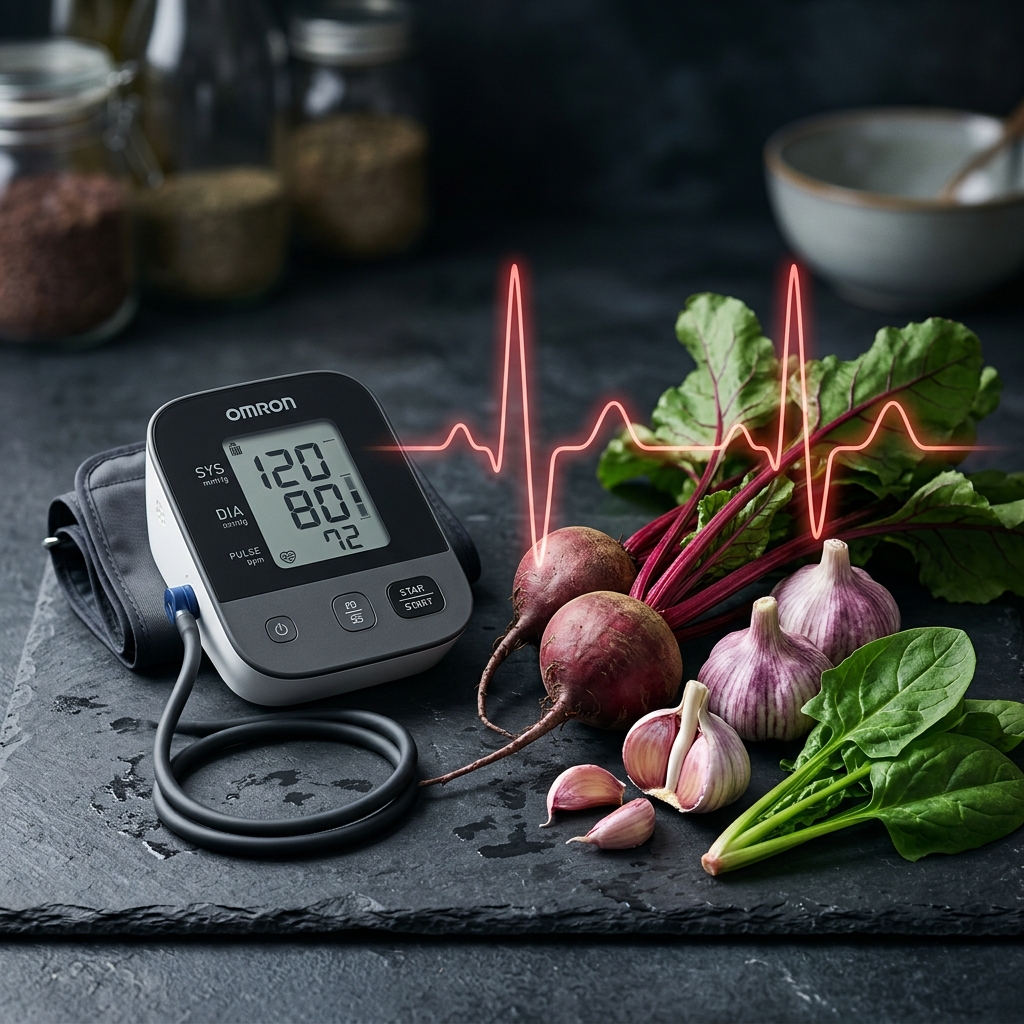
Learn which foods fit a high-blood-pressure diet, including potassium-rich vegetables, whole foods and dietary patterns, plus foods to limit for better control.
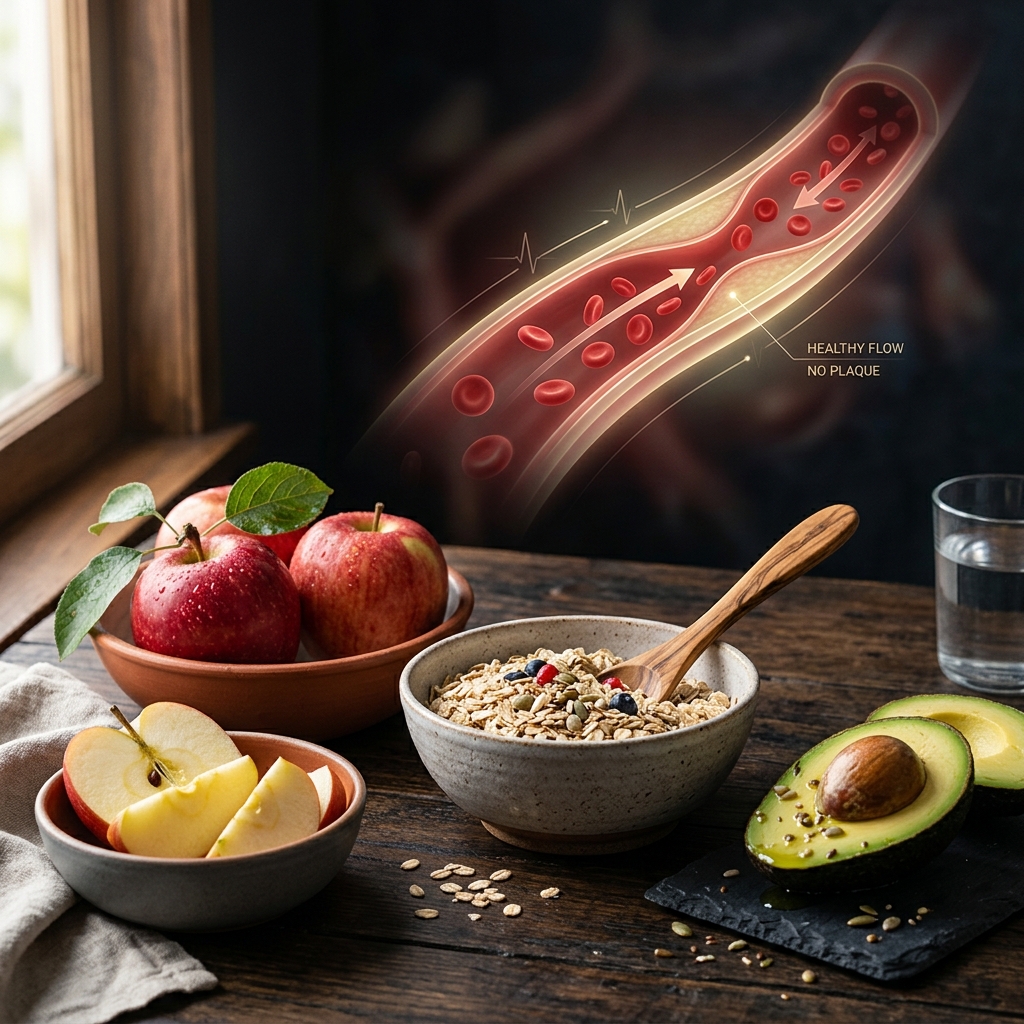
Learn which foods may support healthy LDL cholesterol, including oats, apples, avocados, walnuts and olive oil, and how dietary patterns affect heart health.

Learn how diet can affect IBS symptoms, including low-FODMAP foods, fiber, hydration and common triggers, with practical food choices for a sensitive gut.

Explore foods and dietary patterns commonly studied for arthritis and joint health, including omega-3s, turmeric, ginger, berries and anti-inflammatory foods.
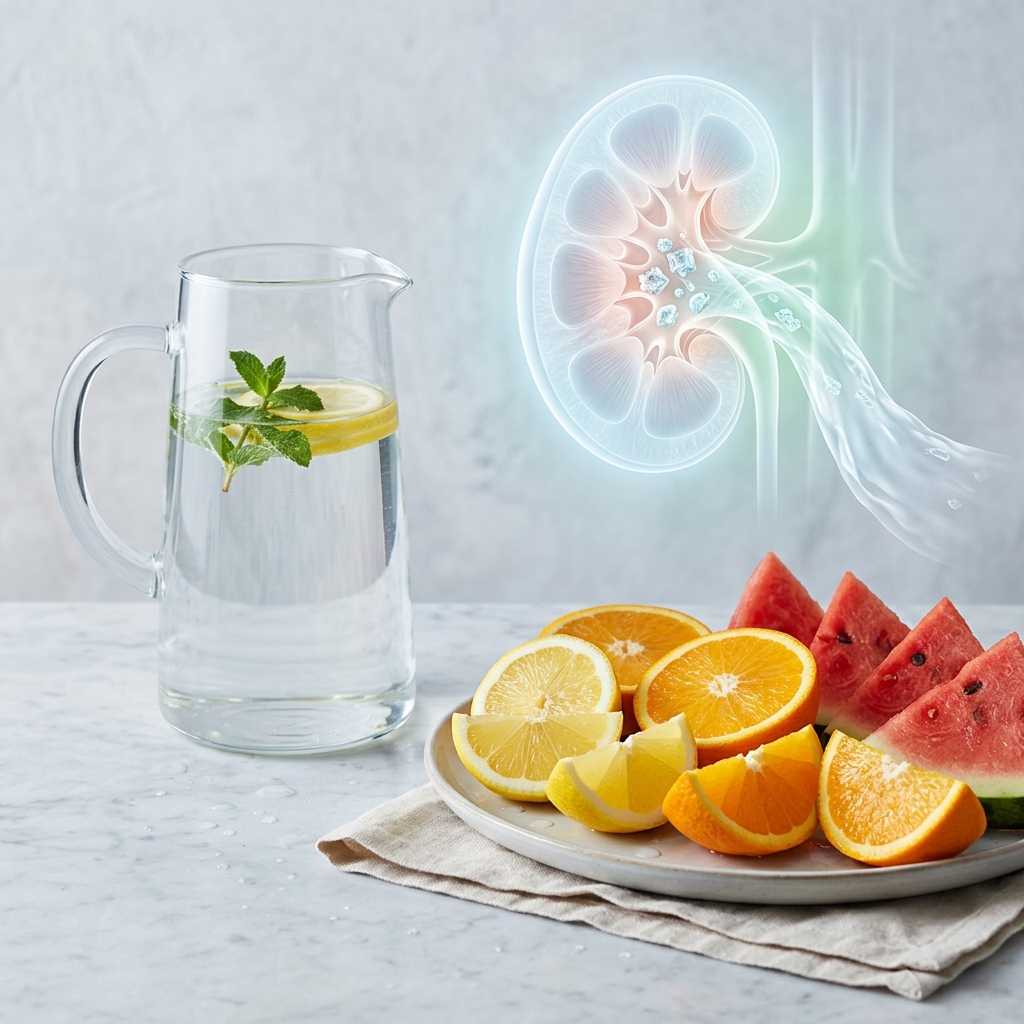
Learn how fluids, dietary calcium, sodium, oxalates and citrate affect kidney stone risk, with practical food and hydration guidance for calcium oxalate stones.
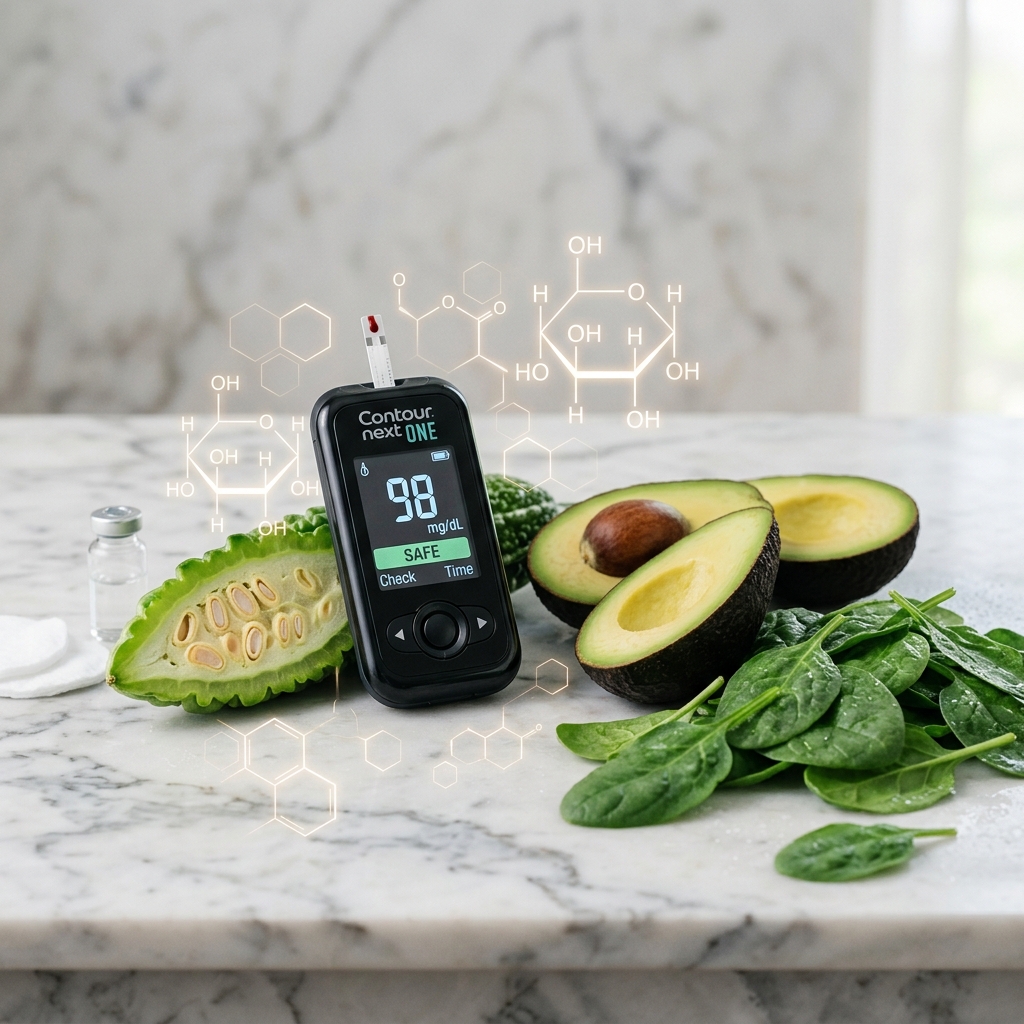
Learn which foods fit a type 2 diabetes diet, including fiber-rich and low-glycemic choices, and how overall eating patterns affect blood sugar management.
No saved articles yet.
Click the bookmark button inside any article to save it here for offline reading!
Hi! I am Mapple AI, your food science research companion. Ask me anything about biomolecules, organic diet patterns, or longevity recipes.