Compounds in foods
Learn what researchers investigate in plant compounds and why mechanistic findings are not proof of a health outcome.
 Mapple Health
 Explore the science behind food, from nutrients and biomolecules to digestion, absorption and the compounds that give foods their health properties.
Nutritional science connects nutrients, foods, and health through evidence that can vary in strength and relevance. These guides help you understand what was studied, how findings apply to everyday food, and where uncertainty remains.
Explore all 11 guidesA cell study, animal experiment, observational study, and clinical trial answer different questions.
An extract or supplement dose may not match the amount found in a usual meal.
Study size, design, replication, and conflicts of interest affect how confidently results can be applied.
Explore nutrients, bioactive compounds, and dietary patterns while keeping study design and real-world relevance in view.
Learn what researchers investigate in plant compounds and why mechanistic findings are not proof of a health outcome.
Explore fiber and minerals as they appear across foods and dietary patterns.
Look for human research, the study population and dose, comparison groups, and independent replication.
No. Laboratory and animal studies can help explain possible mechanisms, but they do not establish that eating the food produces the same effect in people. Human studies and the total body of evidence are needed to assess practical health outcomes.
Source: NCCIH guide to research papersResearchers may isolate an ingredient to study a specific dose or mechanism. That can answer a focused question, but the result may not apply to the whole food or a typical serving. Always check the form and dose used.
Source: NIH Office of Dietary SupplementsCheck the study type, number and characteristics of participants, dose, comparison group, funding, and whether independent studies find similar results. A single headline or study rarely settles a complex nutrition question.
Source: NCCIH research literacy guide11 articles to explore at your own pace, with the newest published guides first.
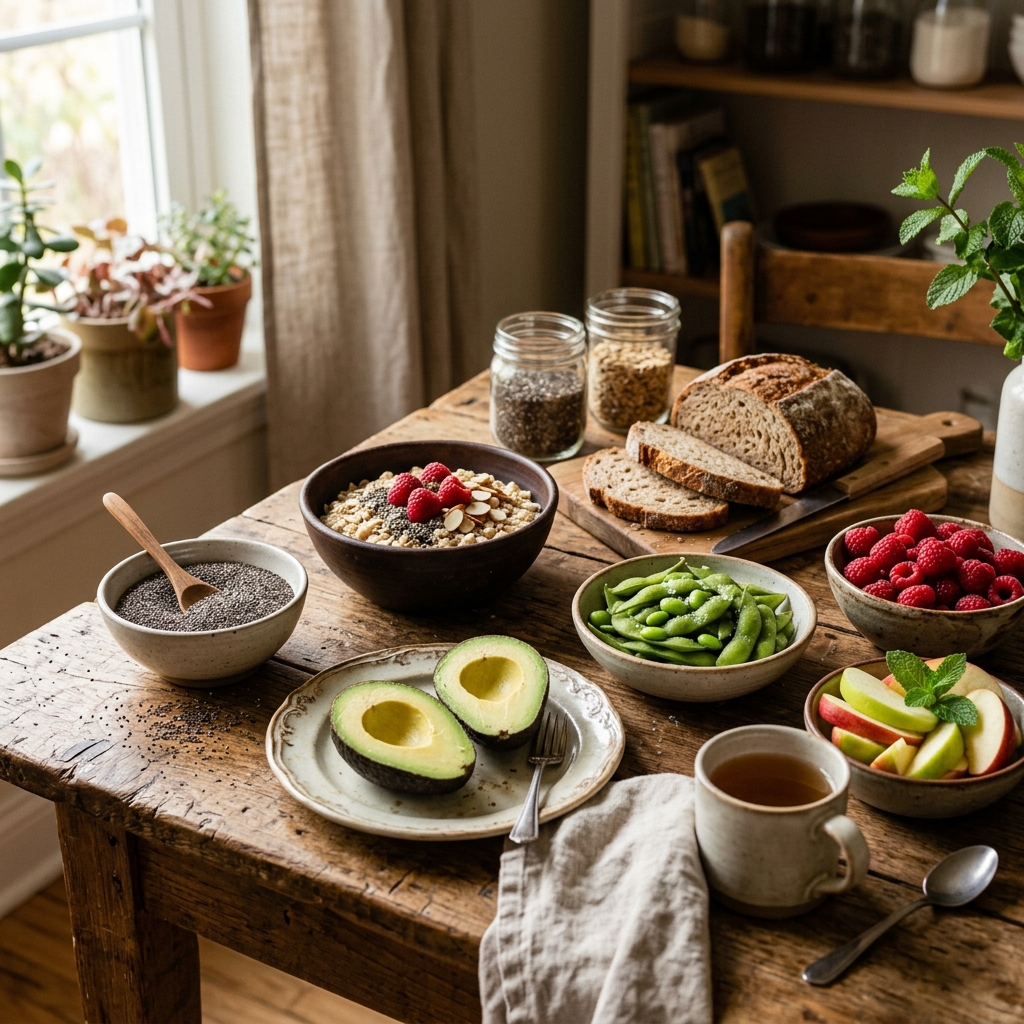
Explore foods high in dietary fiber, from soluble to insoluble sources, and learn how fiber supports digestion, the gut microbiome, cholesterol and fullness.
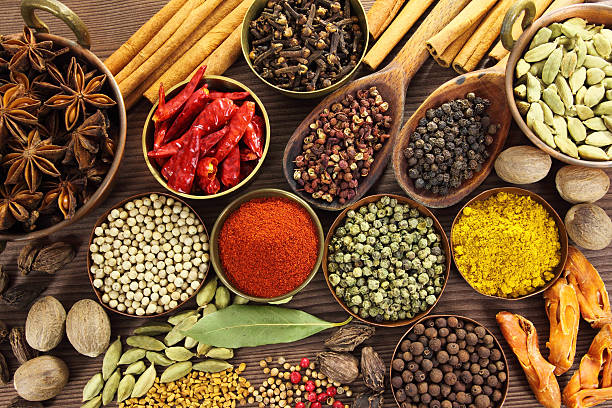
Explore fermented foods such as kimchi, yogurt, kefir and sauerkraut, and learn how fermentation changes foods, microbes, flavor and nutritional properties.
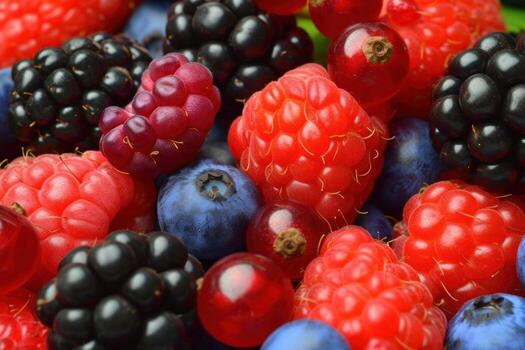
Learn what anthocyanins are, where they occur in purple and red foods, and what research says about their antioxidant, vascular and eye-health effects.
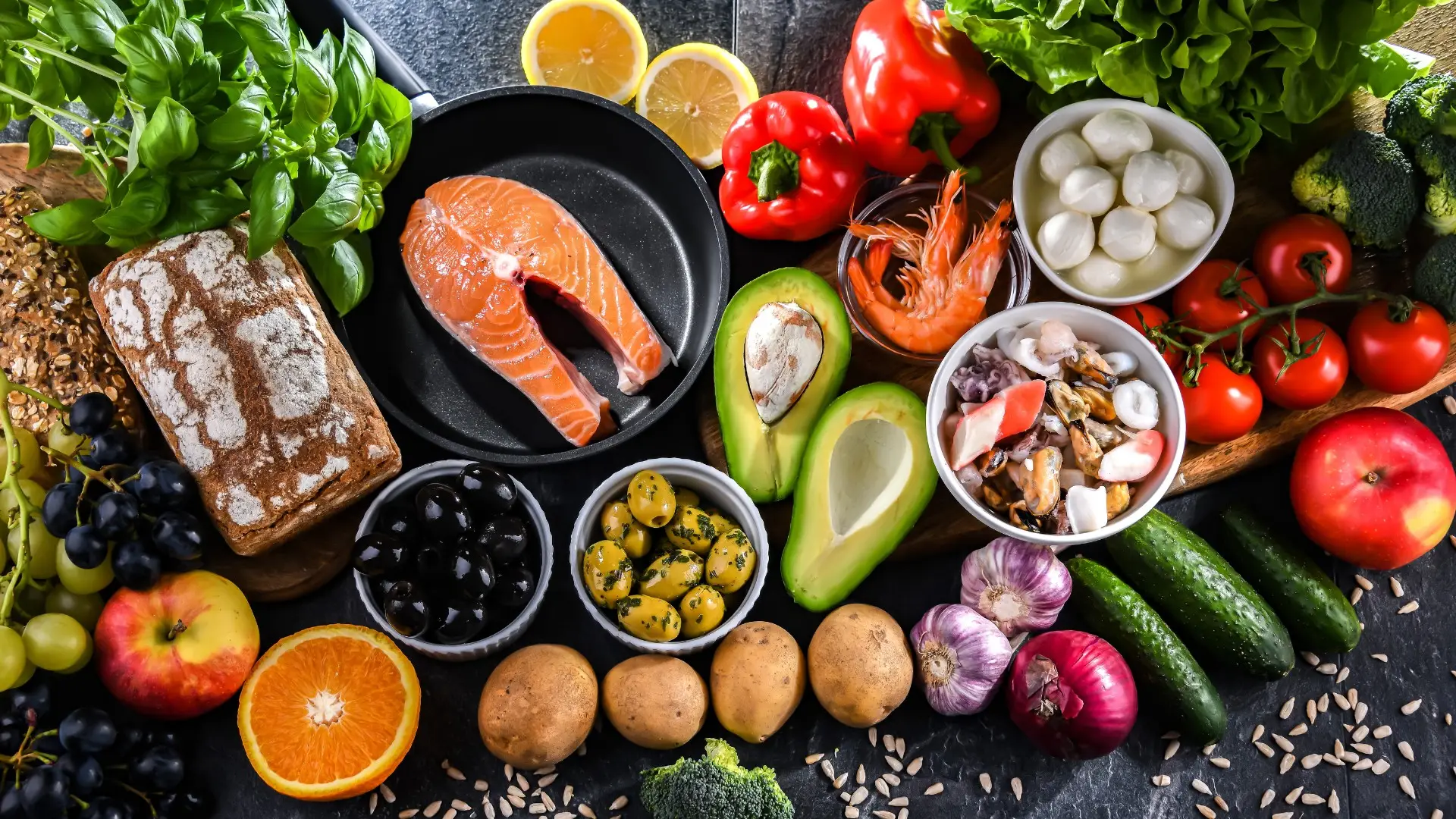
Explore anti-inflammatory foods and dietary patterns, including omega-3s, olive oil and curcumin, and what research says about inflammation and overall health.
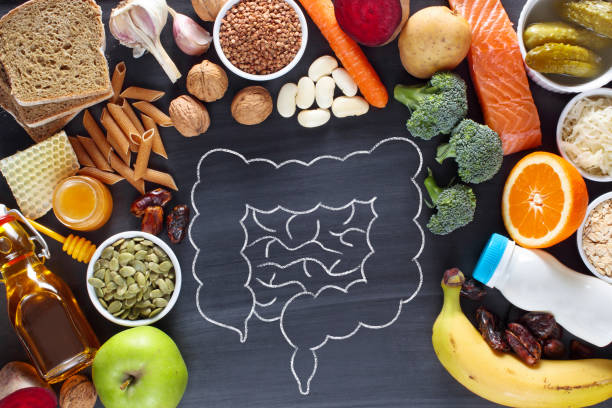
Explore foods that support gut health, including prebiotic fiber, fermented foods and resistant starch, and learn how they interact with the gut microbiome.
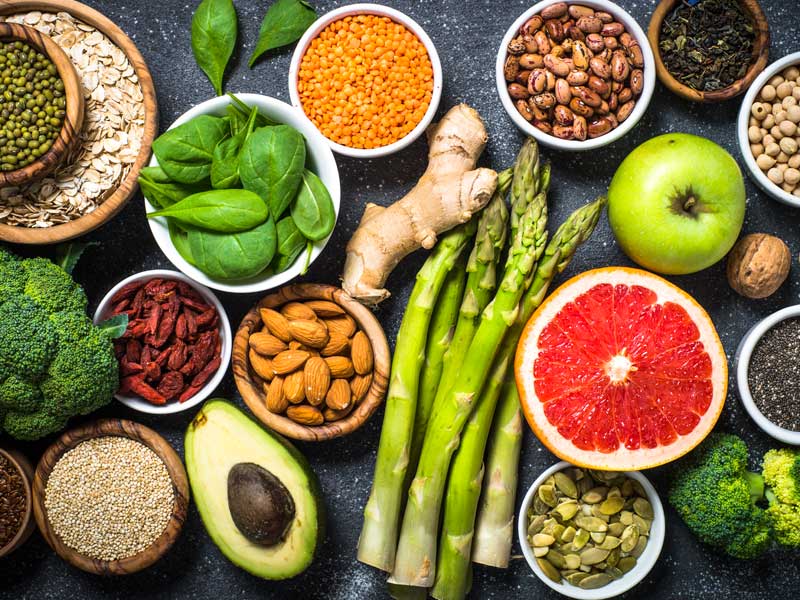
Explore foods linked with healthy aging and longevity, including legumes, berries and other plant foods, and examine the research behind proposed mechanisms.

Learn what butyrate is, how gut bacteria produce it from fiber, and why this short-chain fatty acid matters for colon cells, the gut barrier and inflammation.

Learn what CoQ10 does in cellular energy production, why it matters for the heart, and what research says about statins and CoQ10 levels in the human body.
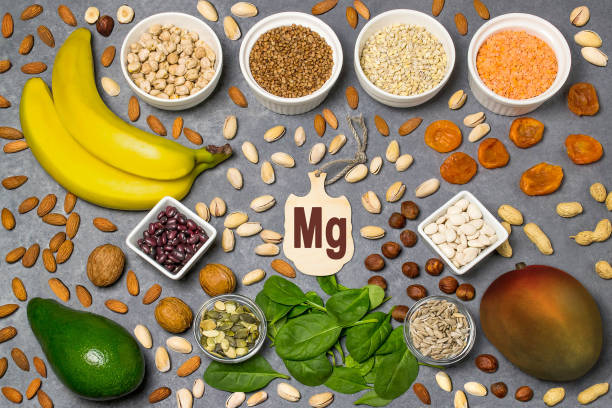
Find foods high in magnesium and learn how this essential mineral contributes to muscle function, energy metabolism, nerve signaling and normal sleep.
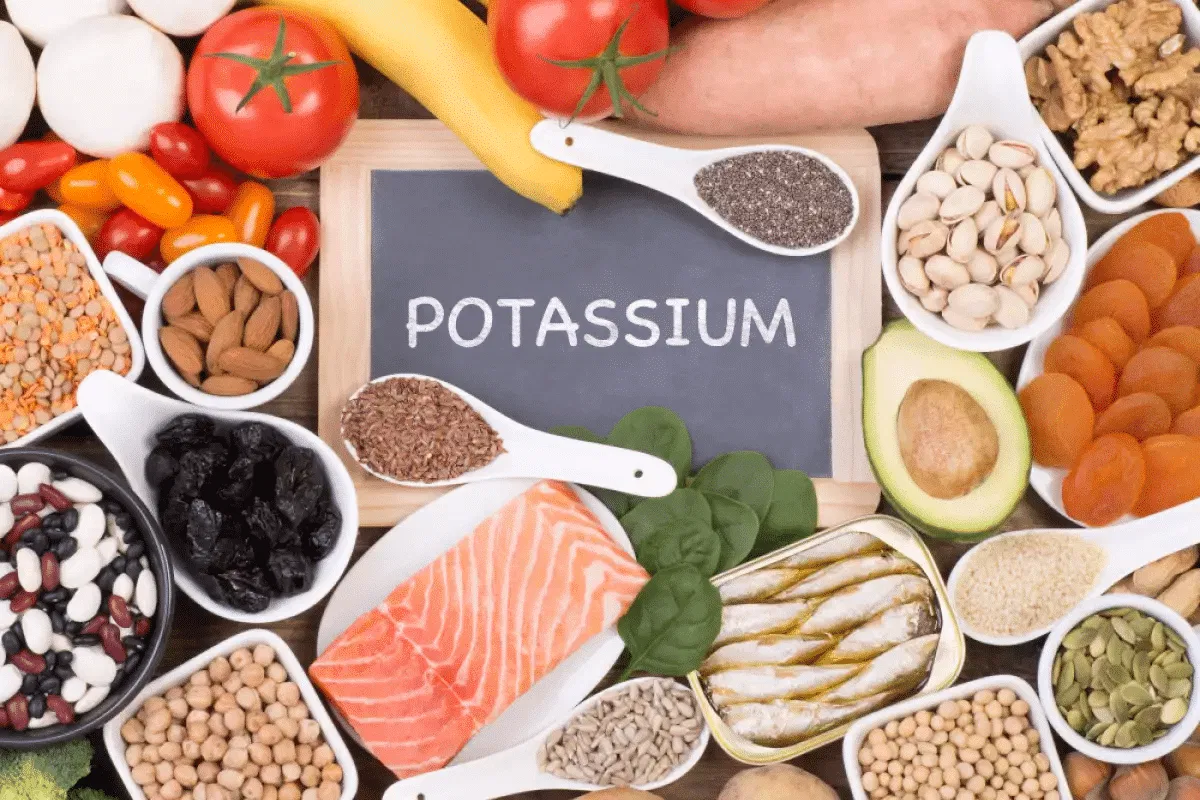
Find potassium-rich foods and learn how potassium supports fluid balance, nerve and muscle function and healthy blood pressure alongside dietary sodium.
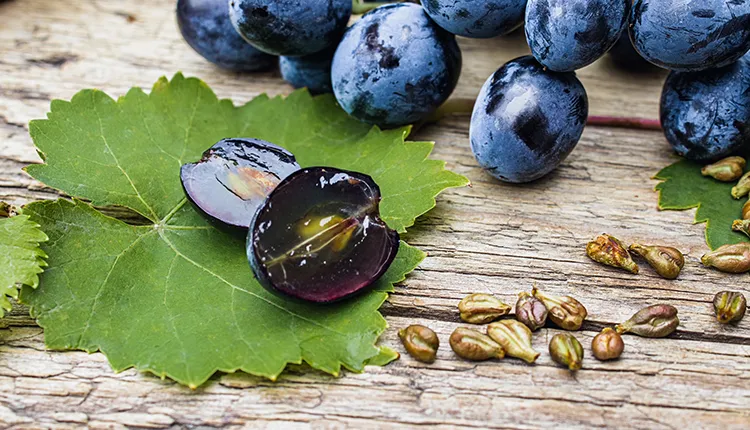
Explore resveratrol, its sources and proposed biological pathways, and what research says about longevity, metabolism, heart health and its limitations.
No saved articles yet.
Click the bookmark button inside any article to save it here for offline reading!
Hi! I am Mapple AI, your food science research companion. Ask me anything about biomolecules, organic diet patterns, or longevity recipes.