01
Waldorf Salad
Waldorf Salad GuideA classic, refreshing American salad combining diced apples, celery, grapes, and toasted walnuts in a light yogurt dressing.
 Mapple Health
 Apples are one of the world’s most widely eaten fruits, and their value goes beyond their vitamin content. A medium apple provides fiber, including pectin, along with plant compounds such as quercetin, catechins and chlorogenic acid. Research has explored how regular apple consumption relates to cardiovascular health, blood sugar, digestion and body weight, although the strength of evidence varies by outcome.
This guide explains what apples contain, what human research can and cannot tell us about their potential health effects, how preparation changes the fruit, and when apples may not suit everyone—for example, with IBS, certain food allergies or some medication interactions.
| Topic | What research suggests | Strength and limits of the evidence |
|---|---|---|
| Blood sugar | Prospective studies have associated fruit intake, including apples and pears, with lower type 2 diabetes risk. | Moderate observational evidence. This association does not prove that apples prevent or treat diabetes. |
| Cholesterol and heart health | Apple fiber and polyphenols have been studied for cardiometabolic effects. | Mixed. A systematic review found encouraging observational associations, while controlled trials showed limited effects on several blood markers. |
| Gut health | Apple fiber, including pectin, can be fermented by gut microbes. | Emerging. Individual tolerance and microbiome responses vary. |
| Weight management | Whole apples are low in energy for their volume and provide fiber and water. | Practical dietary benefit. They can support fullness as part of an overall eating pattern; they are not a fat-loss treatment. |
| Cancer | Apple polyphenols are studied for biological activity. | Limited for clinical outcomes. Apples should not be presented as cancer prevention or treatment. |
This distinction matters: laboratory findings and population studies can be useful, but they do not carry the same weight as randomized human trials.
Pectin is a type of soluble fiber found in apple cell walls, especially near the peel. It contributes to an apple’s texture and, when it reaches the colon, can be used by gut microbes. Pectin is also the ingredient that helps jams and jellies set.
For everyday eating, the useful takeaway is simple: whole apples add fiber to meals and snacks. Research into pectin and cardiometabolic health is promising, but it does not mean that an apple or pectin supplement can replace medical care.
| Form | Fiber | Satiety | Practical note |
|---|---|---|---|
| Whole apple | Highest | Usually higher | Best preserves the fruit’s structure and is a convenient snack. |
| Unsweetened applesauce | Variable | Moderate | A softer option; check the label for added sugar. |
| Apple juice | Very low | Usually lower | Easy to drink quickly and may interact with some medicines. |
The following nutritional values represent the official analysis for this fruit, sourced directly from the USDA FoodData Central database.
| Nutrient | Amount (per 100g) | Amount (per 1 medium apple (182g)) | % Daily Value (%DV) | Why Your Body Needs It |
|---|---|---|---|---|
| Calories | 52 kcal | 95 kcal | — | Light, hydrating fruit energy |
| Total Carbs | 13.8g | 25.1g | 9% | Natural carbohydrates & soluble pectin |
| Sugar | 10.4g | 18.9g | — | Naturally occurring fructose, glucose & sucrose |
| Dietary Fiber | 2.4g | 4.4g | 16% | Soluble pectin & insoluble fiber for gut & heart |
| Protein | 0.26g | 0.47g | 1% | Modest whole-food amino acid contribution |
| Total Fat | 0.17g | 0.3g | 0% | Virtually fat-free |
| GI / GL | — | 36–39 / 6 | Low | Low glycemic response supporting steady energy |
| Vitamin C | 4.6mg | 8.4mg | 9% | Essential antioxidant for immune & skin collagen support |
| Potassium | 107mg | 195mg | 4% | Electrolyte supporting normal fluid balance & heart health |
| Calcium | 6mg | 11mg | 1% | Supports bone structure & cellular signaling |
| Magnesium | 5mg | 9mg | 2% | Mineral cofactor for cellular energy metabolism |
| Vitamin B6 | 0.04mg | 0.07mg | 4% | Supports neurotransmitter synthesis and protein metabolism |
| Topic | What apples offer | What to know |
|---|---|---|
| Blood sugar | Fiber and a relatively low GI when eaten whole | Whole apples can fit many eating patterns; juice has a different nutritional profile and little fiber. Apples are not a diabetes treatment. |
| Cholesterol | Pectin and polyphenols | Some research suggests modest cardiometabolic benefits, but apples do not replace prescribed cholesterol treatment. |
| Weight management | Fiber, water and relatively few calories for their volume | A whole apple can be a filling snack within an overall calorie-aware diet; it has no special fat-burning effect. |
| Pregnancy | Fiber, fluid and a convenient whole-fruit snack | Wash apples well and include them as part of a varied diet. Individual medical or gestational-diabetes advice should come from a clinician. |
| Gut health | Fermentable fiber, including pectin | Gut microbes can ferment pectin, but responses vary and apples may not be comfortable for everyone. |
| Kidney disease (CKD) | Potassium and fluid | Suitability depends on kidney function, blood potassium and an individual's prescribed diet. |
| Oral allergy syndrome | Raw apple proteins | Some people with birch-pollen allergy get mouth itching from raw apple. Cooking may help some people, but allergy advice should be individualized. |
| Babies and children | Fiber and vitamin C | Raw apple pieces can be a choking hazard. Serve in an age-appropriate form, such as grated, softened or cooked apple. |
| Pets (dogs) | A small amount of apple flesh can be an occasional treat | Remove the core and seeds, and ask a veterinarian about a pet's individual diet. |
| IBS (FODMAPs) | — | Apples contain excess fructose and sorbitol, which can trigger bloating, gas, pain or bowel changes in some people with IBS. See our [Low-FODMAP Diet guide](/blog/low-fodmap-diet). |
| Medication interactions | — | Apple juice can reduce absorption of some medicines, including documented interactions with fexofenadine and atenolol. Follow the medicine label or pharmacist's advice rather than using a blanket timing rule. |
A practical growing profile for this fruit. Conditions vary by variety, climate and location.
| Growing Factor | What to Know |
|---|---|
| Climate | Temperate climate with a suitable winter chilling period |
| Sunlight | Full sun; at least 8 hours of direct sunlight during the growing season |
| Soil | Most soils can work if they are well drained and do not hold standing water |
| Ideal soil pH | About 6.0–6.5; some guidance allows a range of 6.0–7.0 |
| Water needs | Regular moisture is important during establishment and fruit development; avoid waterlogging |
| Planting | Dormant season—commonly late winter to early spring, depending on local conditions |
| Pollination | Most apple cultivars need compatible cross-pollination from another variety with overlapping bloom |
| Pruning | Annual pruning helps maintain tree structure, light penetration and productive growth |
| Thinning | Excess fruit may need thinning to improve fruit size and support next season's flowering |
| Main risks | Late frost during bloom, Drought or waterlogging, Insect pests and fungal diseases |
Explore visual varieties and characteristics.
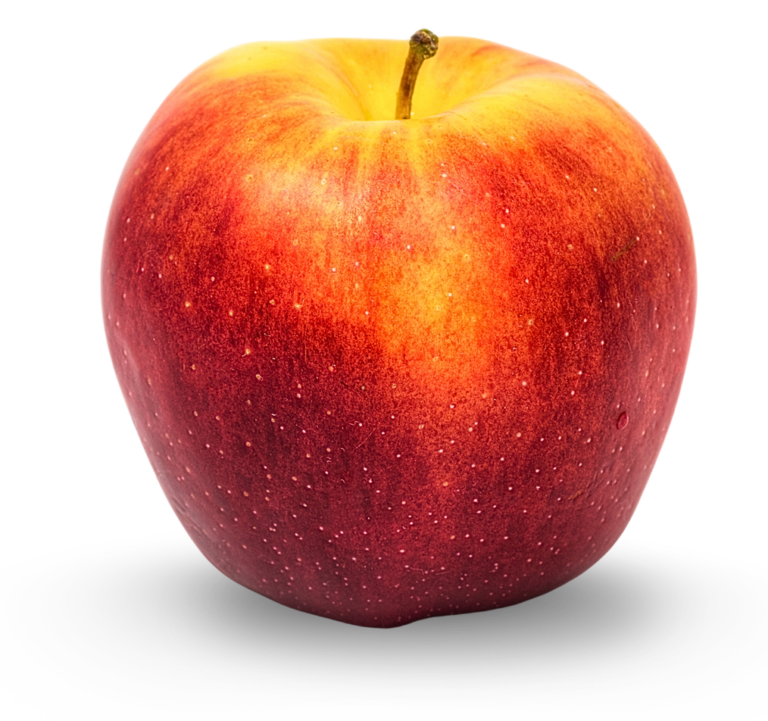
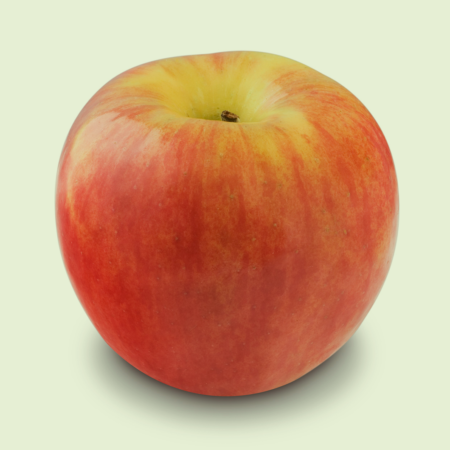
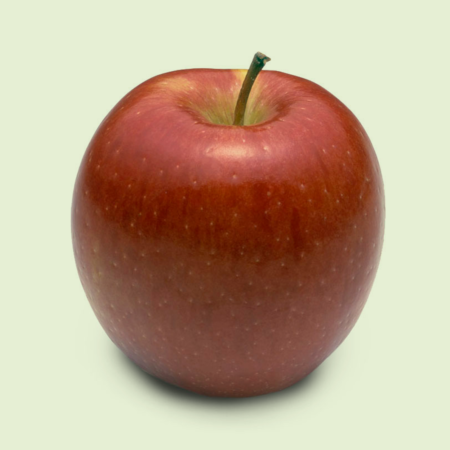
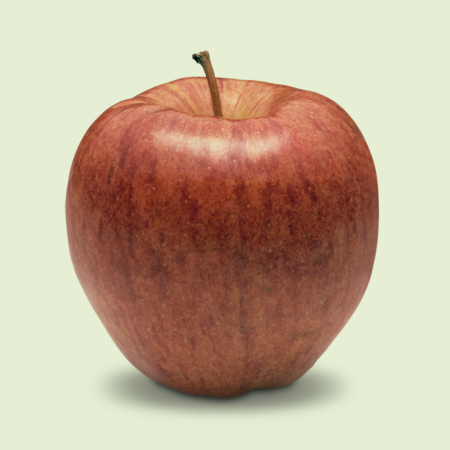
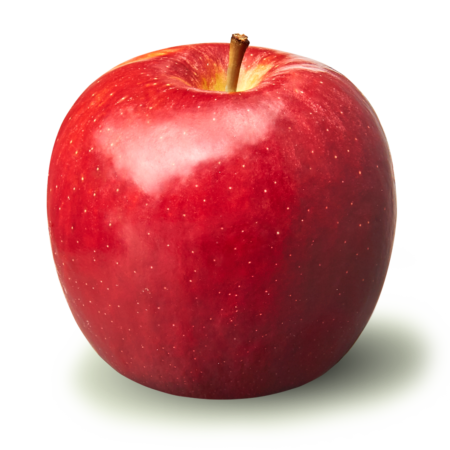
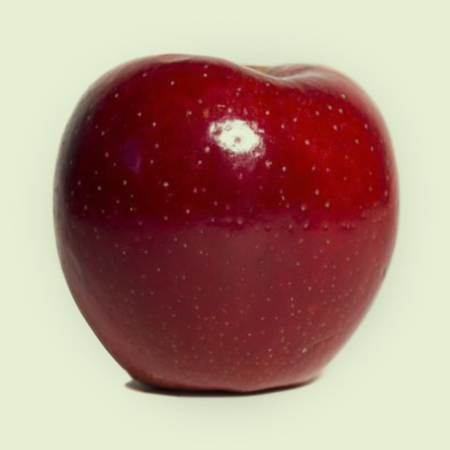
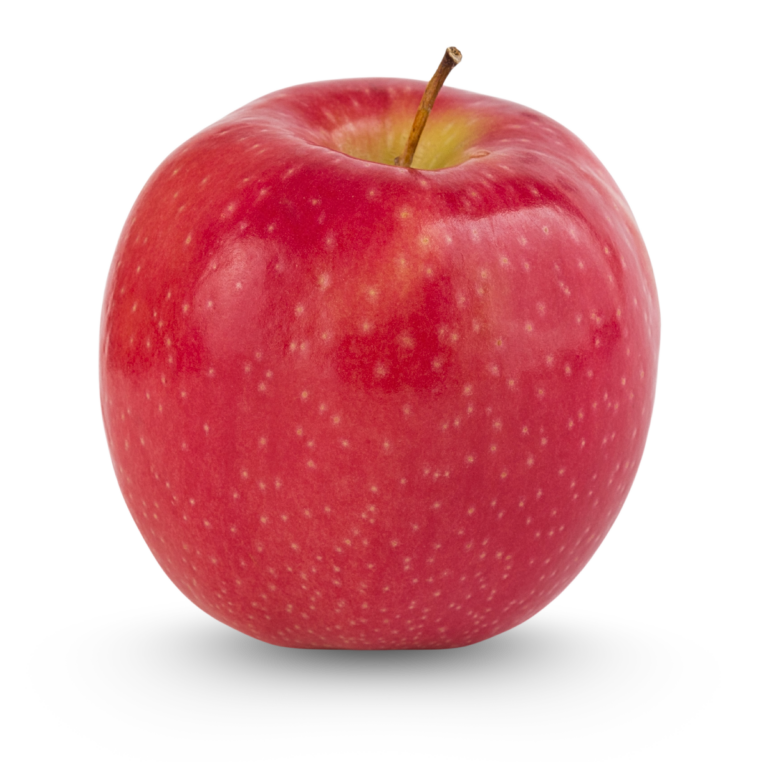
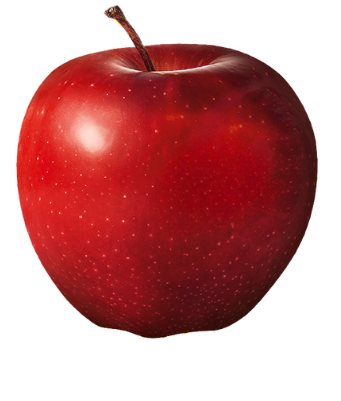
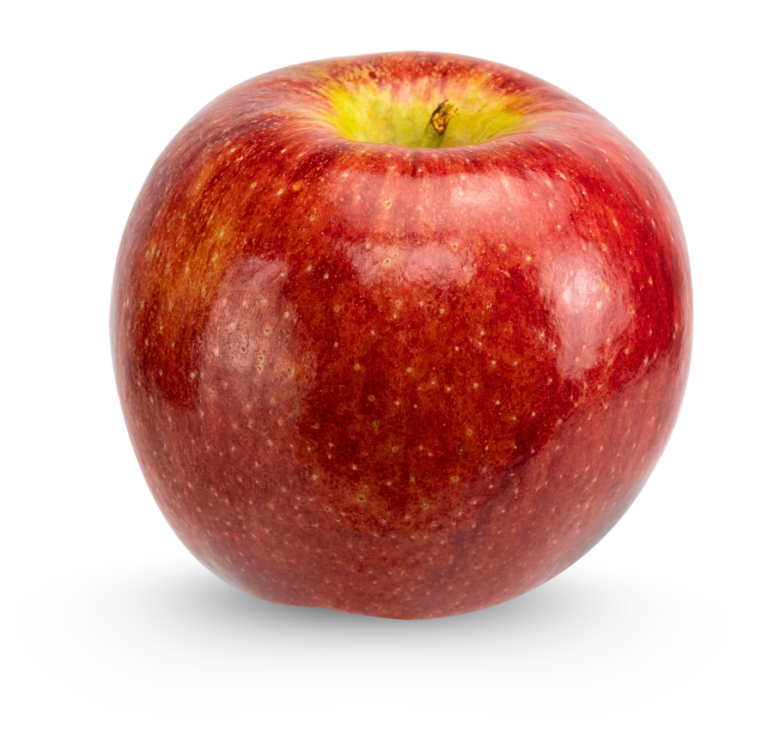
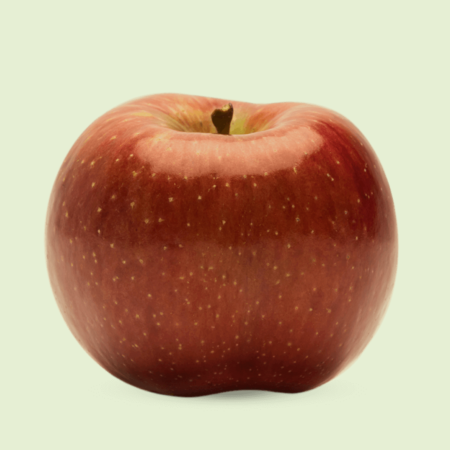
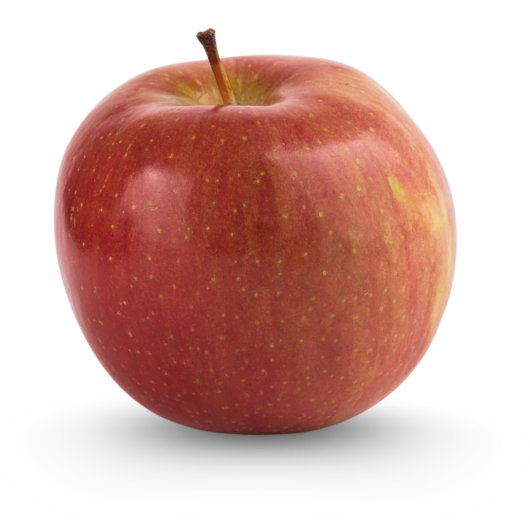
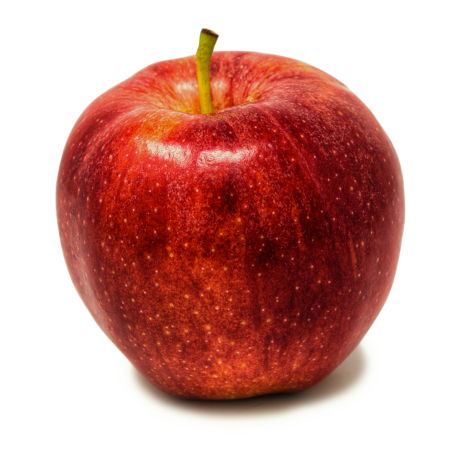
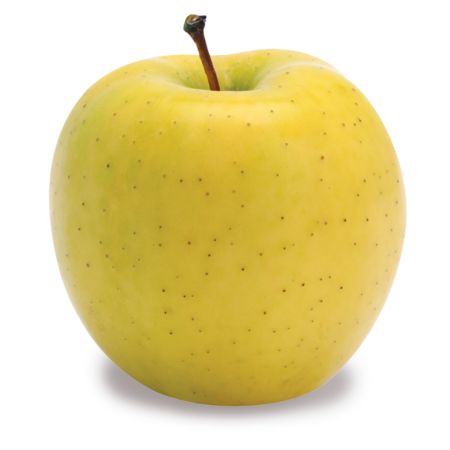

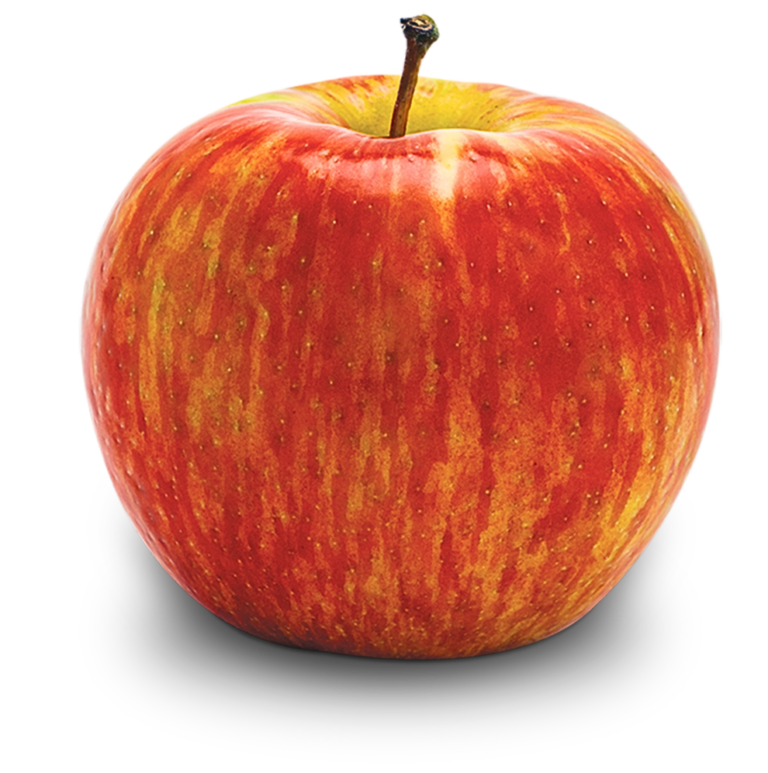
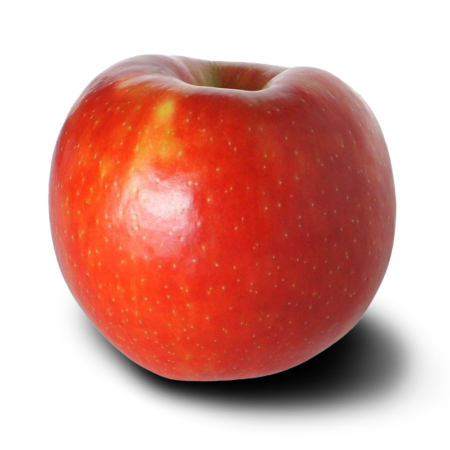
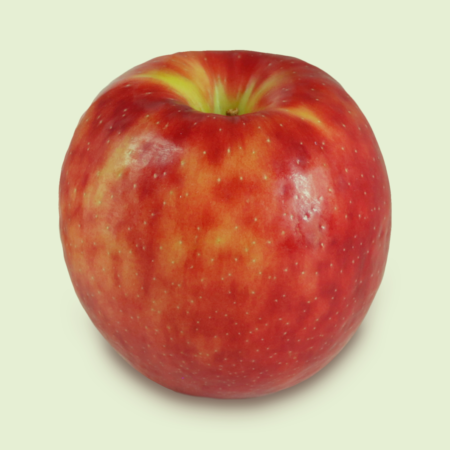
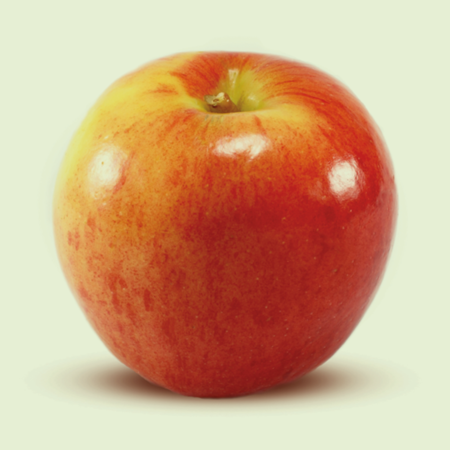
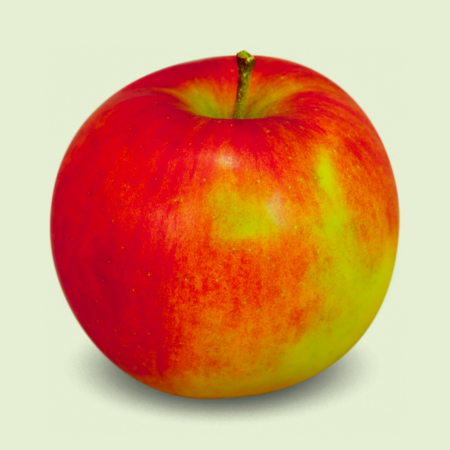
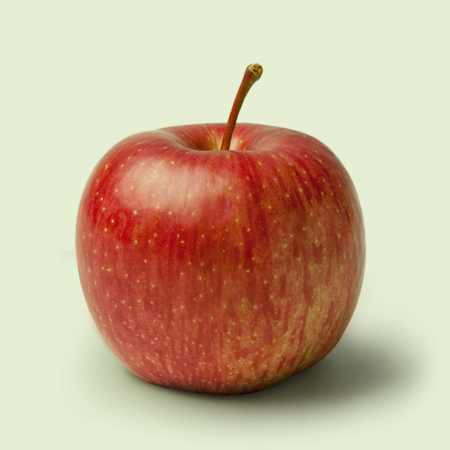
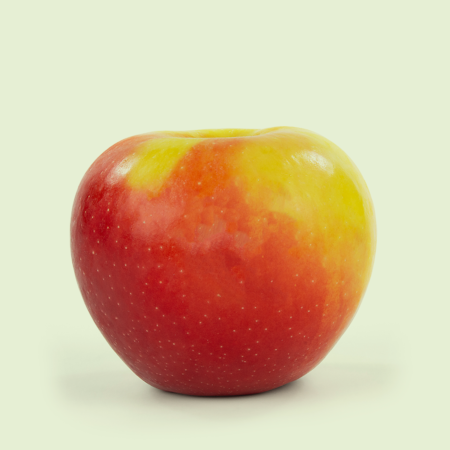
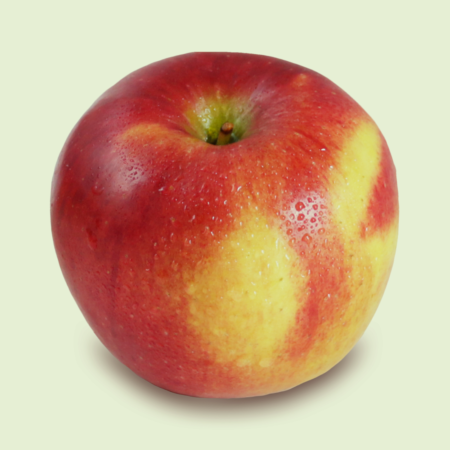
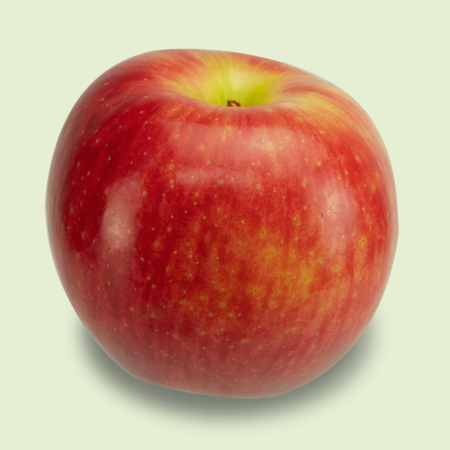
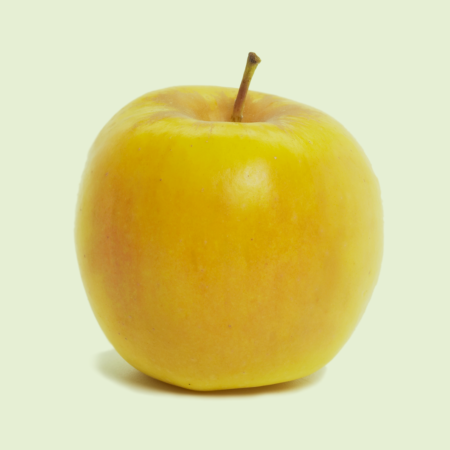
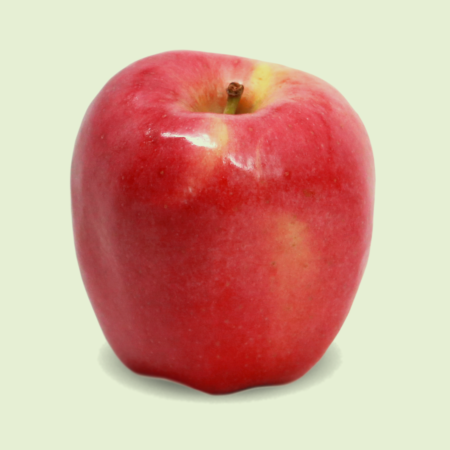
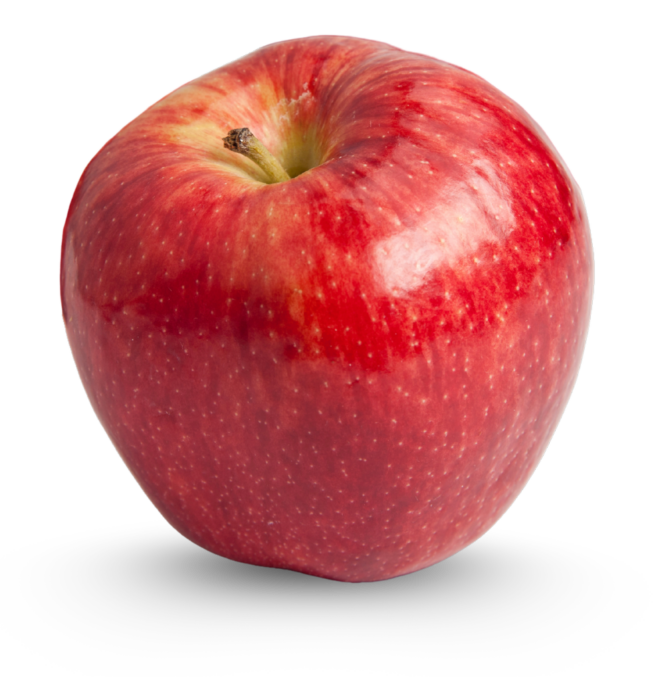
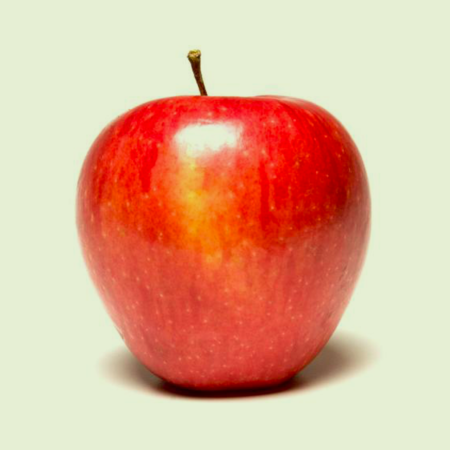
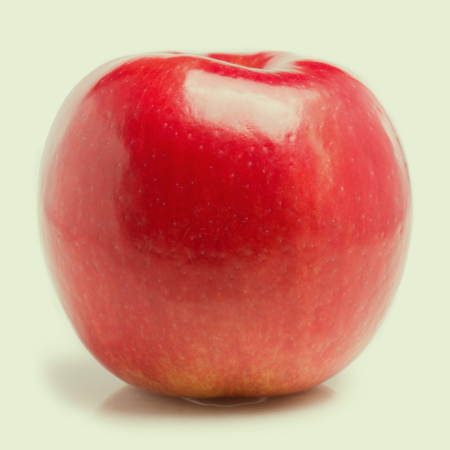
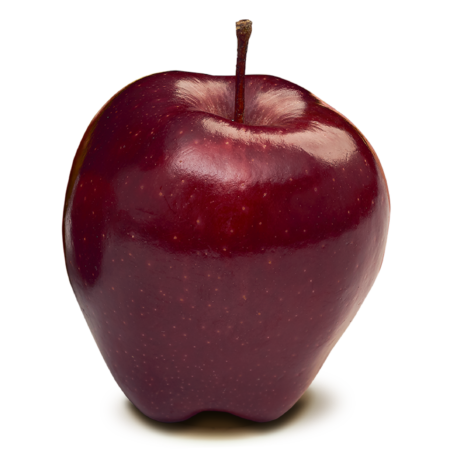

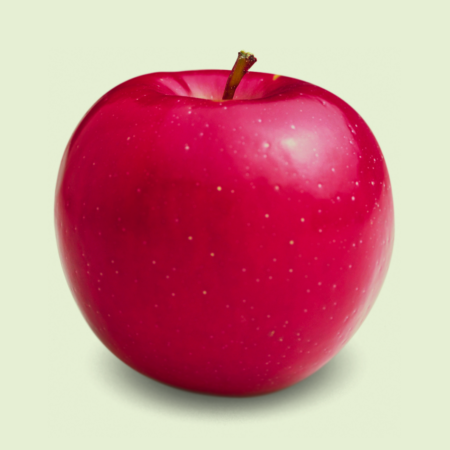
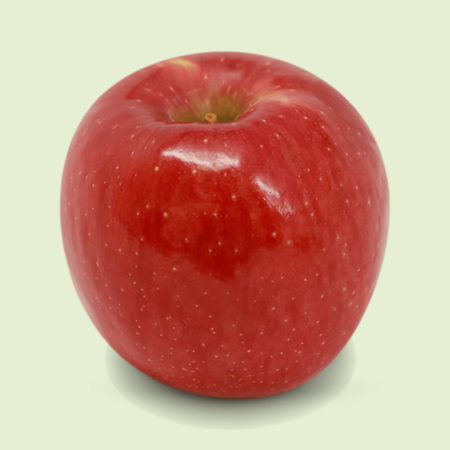
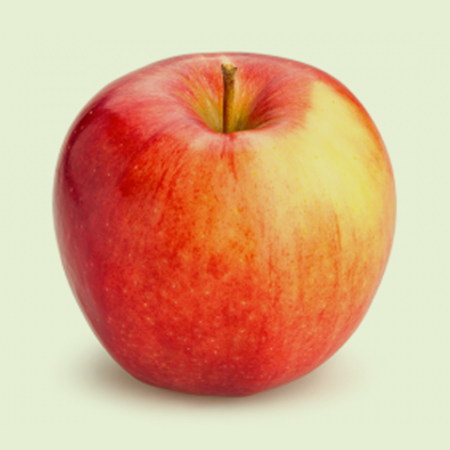
One medium apple is a practical serving and provides about 95 calories and 4.4g of fiber. The amount of fruit that suits someone depends on their overall diet, energy needs and medical guidance.
The peel contains concentrated amounts of several polyphenols. Eating a washed apple with its skin can increase exposure to these compounds if you tolerate the peel; discard the core and seeds.
Wash apples under cold running water. To remove pesticide residues, you can give conventional apples a short soak in a water bath with one teaspoon of baking soda before rinsing.
Raw apples retain their crisp texture and more heat-sensitive vitamin C. Cooking softens the fruit and changes its texture; both raw and cooked apples can contribute fiber.
Combine sliced apples with yogurt, oats, walnuts or nut butter for a more filling snack that adds protein, healthy fats or extra fiber.
Traditional preparations and global recipes celebrating wholesome ingredients, balanced textures, and rich culinary heritage.
A classic, refreshing American salad combining diced apples, celery, grapes, and toasted walnuts in a light yogurt dressing.
An upside-down caramelized pastry showcasing sliced apples caramelized in butter and sugar before baking.
Stewed apples simmered with water, lemon juice, and ground cinnamon, commonly served with proteins or as a digestive aid.
A sweet dessert salad made with apples, walnuts, raisins, and sweetened cream, traditional during holiday feasts.
Pectin is a soluble fiber found in apples. It contributes to the fruit's fiber content and can be fermented by gut microbes in the colon. Studies have explored its possible effects on fullness, blood lipids and blood sugar, but it should not be treated as a substitute for medical care.
Quercetin is a flavonoid found in apples and many other plants. Laboratory and early clinical research has investigated its antioxidant and inflammatory pathways, but evidence for specific therapeutic effects in people remains mixed.
Apples provide fiber, including pectin, that can be fermented by gut microbes. That may support a varied diet for many people, but tolerance differs: apples can also trigger symptoms in people who are sensitive to fructose or sorbitol, including some people with IBS.
Eating whole apples does not mean someone will develop diabetes. Prospective studies have generally found whole-fruit intake, including apples and pears, to be associated with lower or neutral type 2 diabetes risk. Whole apples retain fiber, unlike many fruit drinks and juices, but they do not prevent or treat diabetes.
Both are nutritious choices. Their nutrient profiles vary by variety and serving size, so there is no single healthier choice for everyone. Eating a variety of fruits is a practical way to diversify nutrients and plant compounds.
Cooking can reduce heat-sensitive vitamin C, while softening the fruit for sauces, oats and baked dishes. Both raw and cooked apples provide dietary fiber; choose the form that suits the recipe, texture and your digestion.
According to USDA nutrition database standards, a small apple (150g) contains roughly 77 calories, a medium apple (182g) contains 95 calories, and a large apple (223g) provides approximately 116 calories. Over 85% of an apple's weight is water.
A medium apple provides about 95 calories and 4.4g of fiber. Its water and fiber content can contribute to fullness, making it a practical snack within an overall weight-management eating pattern.
Small pieces of plain apple flesh can be an occasional treat for many dogs, but remove the core and seeds and ask a veterinarian about your pet's individual diet. This information is for pet safety only; the rest of this guide concerns human nutrition.
Apples are buoyant because about 25% of their total volume is made up of trapped air.
When sliced, an enzyme in the apple called polyphenol oxidase reacts with oxygen and the fruit's phenolic compounds, creating harmless brown pigments.
Have a moment? Share your feedback or suggestions via Google to help us produce even higher quality, evidence-based nutrition guides.
No saved articles yet.
Click the bookmark button inside any article to save it here for offline reading!
Hi! I am Mapple AI, your food science research companion. Ask me anything about biomolecules, organic diet patterns, or longevity recipes.