01
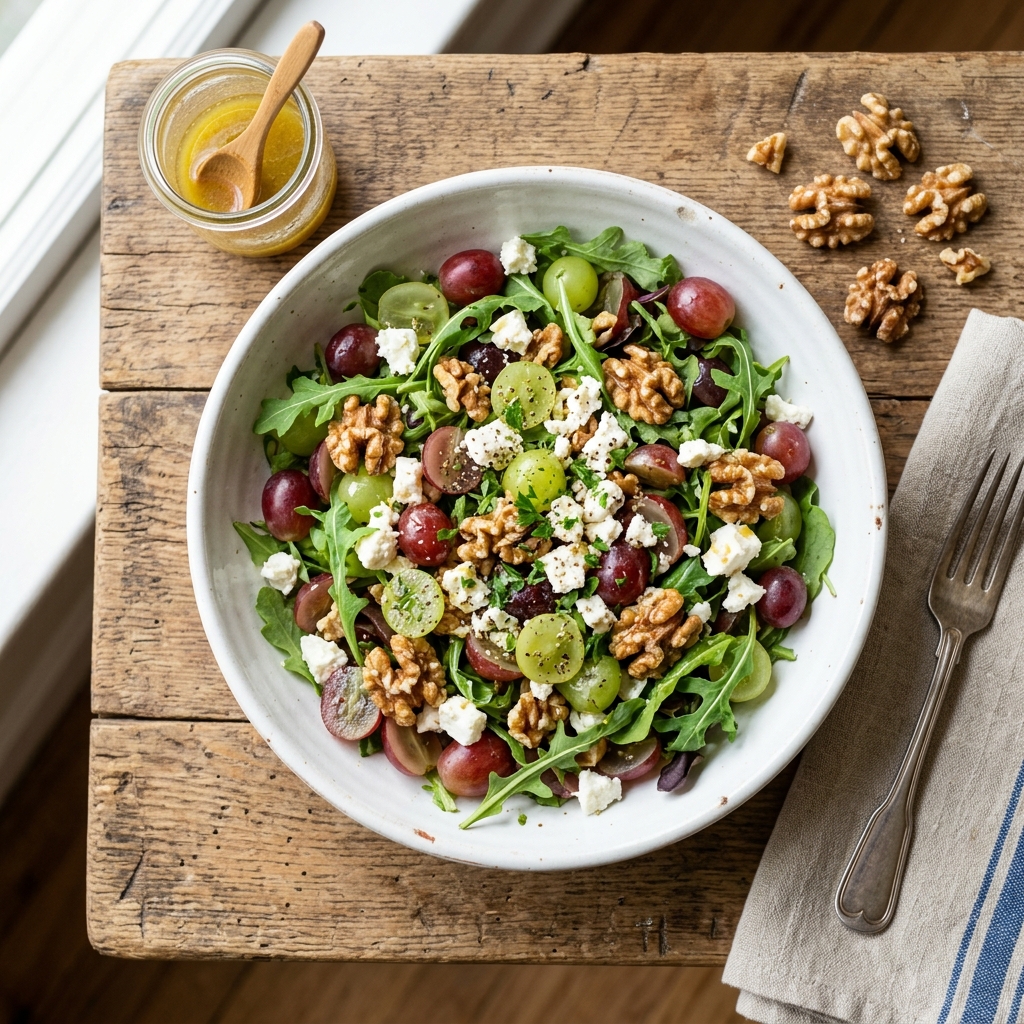
Grape, Walnut and Cheese Salad
Explore Recipe GuideFresh halved grapes tossed with leafy greens, walnuts, cheese and a light lemon dressing.
 Mapple Health
 Grapes are among the world’s most widely enjoyed fruits. Whether green, red or deep purple, they offer natural sweetness, high water content and convenient whole-fruit nutrition. They are called angoor in Urdu and Hindi and are eaten fresh, dried into raisins, blended into juice and used in cuisines across the world.
One cup of fresh grapes (about 151g) provides approximately 104 calories, 27.3g carbohydrate, 23.4g naturally occurring sugars and 1.4g fiber. Grapes also supply vitamin K, copper, potassium and a variety of plant compounds.
But are grapes genuinely good for the heart? Are red grapes healthier than green ones? Can people with diabetes eat them? And does resveratrol provide the extraordinary benefits claimed online?
This guide answers those questions by separating verified nutrition facts, human research, laboratory findings and unsupported health claims.
Not all grapes belong to the same species. For example, Concord grapes are associated with American grape ancestry, while muscadines belong to a different grape group. These differences matter because flavor, texture, skin composition and some nutritional properties vary.
Grapes contain much more water than their sweetness might suggest. Approximately 80% of their weight is water, which helps explain why they are refreshing despite containing substantial natural sugars.
| Nutrient | Per 100g | One cup (151g) |
|---|---|---|
| Calories | 69 kcal | 104 kcal |
| Total carbohydrate | 18.1g | 27.3g |
| Natural sugars | 15.5g | 23.4g |
| Dietary fiber | 0.9g | 1.4g |
| Water | 80.5g | 121.6g |
| Vitamin K1 | 14.6µg | 22.0µg |
| Vitamin C | 3.2mg | 4.8mg |
| Potassium | 191mg | 288mg |
| Copper | 0.13mg | 0.19mg |
Source: USDA FoodData Central reference values for raw red or green European-type grapes. Actual nutritional composition varies by cultivar and growing conditions.
One cup contains around 23.4g naturally occurring sugars.
Natural sugar in whole fruit is different from sugar added to candy or soda in the sense that the fruit also supplies water, micronutrients and some fiber. Nevertheless, natural sugars still contribute to total carbohydrate intake and blood-glucose response.
For someone monitoring carbohydrates, half a cup of grapes provides approximately:
These are useful portion references, not mandatory limits for everyone.
Much of the excitement surrounding grapes comes from research into polyphenols, including resveratrol, anthocyanins, flavanols and related compounds.
But results depend on what researchers actually administered: whole grapes, freeze-dried grape powder, juice, purified compounds or capsules.
| Focus | Verified human evidence | What remains uncertain |
|---|---|---|
| Blood pressure | A 2023 meta-analysis of 30 randomized trials found a small average systolic blood-pressure reduction of approximately 3.17mmHg with grape products. | Evidence certainty was low; it does not establish that eating one cup of fresh grapes treats hypertension. |
| Blood lipids | A 2005 trial involving 44 women found improvements in several blood-lipid measures after freeze-dried grape powder. | The treatment was grape powder, not ordinary fresh grapes; LDL oxidation did not improve. |
| Vascular function | A study in 24 men with metabolic syndrome reported favorable vascular outcomes using grape polyphenol powder. | Small sample, short intervention and specialized preparation limit generalization. |
| Mixed or negative findings | Another randomized study found no significant benefit in some vascular-function outcomes using grape-derived polyphenols. | Grape products do not produce uniform effects across studies. |
| Memory and brain health | Grape-derived compounds have been investigated in cognitive research. | Direct evidence that a normal fresh-grape serving improves memory or prevents dementia is insufficient. |
The 2023 systematic review is especially informative because it evaluates multiple trials rather than relying on one favorable experiment. Its findings suggest possible modest effects on systolic blood pressure, not sweeping cardiovascular protection.
The key distinction: A compound can be biologically active in a laboratory and still lack clinical proof that ordinary dietary consumption prevents disease.
Grape color is one of the most common sources of confusion.
Red, purple and blue-black grape skins contain pigments called anthocyanins. These compounds contribute to the fruit’s color and belong to the larger polyphenol family.
Darker varieties may contain different amounts of anthocyanins and other polyphenols depending on genetics, maturity, climate and agricultural conditions.
However, a higher anthocyanin measurement does not automatically establish better health outcomes in people.
Green grapes generally contain little of the red-purple anthocyanin pigmentation characteristic of darker varieties, but they are not nutritionally empty.
They still contribute water, carbohydrates, potassium, vitamin K and other plant constituents, including non-anthocyanin polyphenols.
Black grapes usually appear very dark purple because of their skin pigmentation. Some have a particularly intense flavor, while others are selected mainly for sweetness, texture and ease of eating.
They are nutritious fruits, but claims that black grapes specifically prevent cancer, cure diabetes or dramatically improve eyesight are not established by human trials.
| Grape type | Characteristic | Practical verdict |
|---|---|---|
| Green | Mild, often crisp and sweet | Nutritious everyday fruit |
| Red | Sweet to mildly tart; red skin pigments | Nutritious; supplies anthocyanins in many varieties |
| Purple / black | Often deeper skin pigmentation | Nutritious; polyphenol profiles vary |
| Seeded | Includes edible seeds with a firmer texture | Suitable for adults who tolerate them |
| Seedless | Convenient for snacking | Equally reasonable whole-fruit choice |
Which should you buy? Choose the variety you enjoy, can afford and can obtain fresh. There is no convincing basis to insist that everyone must eat only dark grapes.
Resveratrol is a naturally occurring polyphenol involved in plant responses to stress.
It has attracted attention in laboratory and supplement research investigating oxidative stress, inflammation and cellular signaling.
Grape skins can contain resveratrol, but concentrations differ between cultivars, environments and growing conditions. There is no reliable single resveratrol value applicable to every cup of grapes.
The evidence does not justify treating grapes as a resveratrol-based medicine.
Experiments that administer concentrated supplements often use doses substantially different from those obtained through everyday eating. Results from those studies cannot automatically be applied to normal grape portions.
Resveratrol also is not the pigment that makes red and purple grapes colorful; anthocyanins are primarily responsible for those colors.
Grape skins and seeds contain different mixtures of polyphenols. But isolated grape-seed extract, grape-skin extract, and whole fresh grapes are not interchangeable research interventions.
Eating grapes with their skins is an ordinary, convenient way to enjoy the fruit. It is not necessary to seek out unusually concentrated extracts to make grapes part of a healthy diet.
Whole fruits are important components of heart-conscious eating patterns, and grapes can be included alongside vegetables, legumes, whole grains and other fruit.
Their potassium content contributes to normal electrolyte balance, and their polyphenols have attracted vascular research.
The strongest verified review in this article is the 2023 systematic review of 30 randomized trials. It found an average reduction in systolic blood pressure of approximately 3.17mmHg with grape products.
However, the researchers considered the evidence low-certainty. They did not find significant improvements in diastolic blood pressure, heart rate or several other vascular outcomes.
This means that grapes are reasonable foods in a heart-healthy diet, but they are not a demonstrated replacement for blood-pressure medication, cholesterol-lowering treatment or medical advice.
Yes, grapes can be included in many diabetes meal plans. The important variable is the total carbohydrate in the serving, not simply whether a fruit tastes sweet.
One cup supplies approximately 27.3g total carbohydrate.
Half a cup supplies approximately 13.7g, making it easier to fit into some carbohydrate-counting plans.
The American Diabetes Association includes grapes among fruit choices that can fit a diabetes eating plan and advises accounting for carbohydrates.
Grape GI values are not identical across every variety or study. A single number should not be presented as a universal property of grapes.
Furthermore, GI and carbohydrate quantity answer different questions. A food’s GI does not mean its sugars can be ignored.
Adding plain yogurt or nuts changes the composition of a snack and introduces protein or fat.
That may be useful as part of meal planning, but it does not guarantee the prevention of a glucose rise.
People using medication, insulin or glucose monitoring should base their portions on individualized guidance.
Grapes provide water and a modest amount of fiber.
One cup contains approximately 1.4g fiber, so they should not be described as an exceptionally high-fiber fruit.
Their water content can help contribute to overall fluid intake, while the fiber adds a small contribution toward dietary fiber goals.
Grape polyphenols have been investigated for interactions with the gut microbiome, but laboratory changes in microbial populations do not prove that eating grapes treats constipation, repairs intestinal damage or cures digestive disease.
For digestive health, a varied diet with adequate total fiber and fluids remains more important than any one fruit.
Grapes can be a pleasant option in a weight-conscious diet.
One cup provides approximately 104 calories, with a high water content and convenient sweetness.
Replacing a more calorie-dense dessert or snack with grapes can sometimes reduce total energy intake.
But grapes do not stimulate a clinically established fat-burning effect. Weight change depends on overall eating patterns, activity and individual factors.
Choose portions that suit your needs rather than treating grapes as either a forbidden sugary food or a weight-loss treatment.
Polyphenol-related research has generated interest in whether grapes influence brain physiology, visual health or skin responses to environmental stress.
These research areas are scientifically interesting, but ordinary grape consumption has not been shown convincingly to prevent dementia, macular degeneration or a specific skin disease.
Grapes do provide vitamin K, copper and smaller amounts of vitamin C.
The accurate health message is that grapes add dietary variety and useful nutrients—not that they perform specific neurological or dermatological treatments.
Raisins are dried grapes.
When grapes are dried, much of their water is removed, concentrating calories and sugars per gram.
For example, standard USDA reference values place fresh grapes at approximately 69 kcal per 100g and common seedless raisins at approximately 299 kcal per 100g.
A 100g-to-100g comparison makes raisins look dramatically more calorie-dense, but it is important to compare realistic portions too.
| Comparison | Fresh grapes | Raisins |
|---|---|---|
| Water | High | Much lower |
| Calories per 100g | About 69 kcal | About 299 kcal |
| Sugar concentration | Lower per gram | Higher per gram |
| Fiber | Modest | More concentrated by weight |
| Typical eating pattern | Bowl or fresh snack | Small handful, baking or cereal topping |
| Storage | Refrigerated and perishable | Longer shelf life when stored properly |
The American Diabetes Association notes that two tablespoons of dried fruit such as raisins can contain approximately 15g carbohydrate, so dried fruit requires smaller portions when tracking carbohydrate intake.
Whole grapes retain their natural structure and fiber.
Grape juice usually provides less fiber, especially when filtered, and can make it easy to consume substantial carbohydrate quickly.
Juice can still contribute nutrients, but it is not automatically nutritionally equivalent to a bowl of whole grapes.
Thoroughly washed grapes can be included in a varied pregnancy diet.
They contribute water, vitamin K and other nutrients. They are not a substitute for prenatal supplements or a specifically prescribed medical diet.
The FDA advises pregnant people to wash fresh produce thoroughly under running water and follow safe food-handling practices.
If managing gestational diabetes, consider carbohydrate portions and follow individualized guidance.
Kidney-diet recommendations must account for the serving size actually eaten.
A half-cup portion of fresh grapes provides approximately 144mg potassium, while a full cup supplies about 288mg.
The National Kidney Foundation lists grapes among lower-potassium fruit options at a half-cup serving. Larger portions can contribute more potassium, and personal restrictions vary.
Some people with chronic kidney disease need potassium limits, while others do not.
A renal dietitian can help determine whether grapes fit a specific patient’s potassium target.
This is one of the most important safety points in the article.
Never intentionally feed grapes or raisins to dogs.
The Merck Veterinary Manual documents grape and raisin poisoning in dogs, which can lead to acute kidney injury or kidney failure.
The amount needed to cause harm is unpredictable, so there is no dependable safe quantity for a dog.
If a dog eats grapes or raisins, contact a veterinarian or animal poison-control service immediately. Do not wait for vomiting, weakness or other symptoms, and do not attempt home treatment without veterinary instructions.
The evidence for grape-related kidney injury in cats is far more limited than in dogs; veterinary literature describes anecdotal reports rather than an established body of confirmed cases.
The prudent advice is still to keep grapes and raisins away from cats and seek veterinary guidance after an ingestion.
The scientific distinction matters: proven canine toxicity should not be described as equally well established in every pet species.
Whole grapes are a recognized choking hazard because their smooth, rounded shape can block a small child’s airway.
The CDC recommends cutting small round foods, including grapes, into appropriately small pieces.
For young children, this commonly means cutting grapes lengthwise into quarters, with further preparation based on age and feeding skills.
Do not offer whole grapes or whole frozen grapes to infants or young children. Supervision and safe food preparation matter.
One cup of grapes provides approximately 22µg vitamin K.
Vitamin K is important for normal blood clotting, but people taking warfarin need to keep dietary vitamin K intake reasonably consistent.
The NIH Office of Dietary Supplements emphasizes consistency rather than automatically avoiding vitamin-K-containing foods.
People using warfarin should discuss major dietary changes with their healthcare professional.
Good grapes should generally feel firm and plump.
Look for:
A pale, powdery surface film called bloom is normal on many grapes and helps protect the fruit.
Color alone is not a reliable universal sweetness test. Different grape varieties have different colors even when fully ripe.
The FDA recommends rinsing fresh produce under running water.
Wash grapes gently just before eating and remove visibly spoiled or damaged berries.
Do not use soap, detergent or bleach to wash grapes.
Commercial produce washes are not necessary.
Fresh grapes are perishable and benefit from cool storage.
UC Davis identifies temperatures close to 0°C (32°F) as optimal for professional table-grape storage. Home refrigerators normally operate somewhat warmer, so exact keeping time depends on freshness, temperature and moisture conditions.
Store grapes in ventilated packaging, avoid unnecessary crushing and inspect them before eating.
Do not promise that every bunch will remain fresh for a fixed number of days.
Yes. Washed and dried grapes can be frozen for use as a cold snack or in smoothies.
They are particularly convenient for adults.
Because frozen whole grapes remain round and firm, they are not appropriate for young children who are at risk of choking.
Grape varieties differ in texture, skin thickness, seed content, flavor and intended use.
A widely known pale-green seedless type traditionally associated with fresh table grapes and raisin production.
A red seedless table grape known for its crisp eating texture.
A large red table-grape variety, commonly seeded, appreciated for its substantial berries.
A dark-colored seedless table-grape variety, generally characterized by large berries.
An American grape type associated with a characteristic strong grape aroma and frequently used in juice and jelly.
A different North American grape group known for its distinctive flavor, thicker skin and regional cultivation.
These varieties are not nutritionally interchangeable in every respect, and standard nutrition tables should be understood as reference averages, not identical measurements for every cultivar.
Grapes grow on woody perennial vines and need appropriate support, sunlight and annual maintenance.
Choose a site receiving full sun.
Well-drained soil is important because persistent waterlogging can damage roots. Many grape-growing guides recommend testing soil before planting so acidity and fertility can be adjusted to local requirements.
Grape vines generally require a trellis, fence or arbor for support.
Annual pruning is one of the most important parts of maintaining fruitful vines. University of Minnesota Extension recommends pruning during dormancy and explains that grapes develop on new shoots arising from buds on older wood.
Pruning methods differ between spur-pruned and cane-pruned varieties.
Many cultivated European grapes have self-fertile flowers, but flowering success and fruit set remain sensitive to weather and vine condition.
Pollination requirements differ between grape species and cultivars.
Grape harvest depends on cultivar, growing region and weather.
In many Northern Hemisphere temperate growing regions, grapes ripen from late summer through autumn.
Unlike some fruits that continue to soften and sweeten substantially after harvest, grapes need to be harvested at a suitable maturity because their sweetness does not improve significantly once picked.
Taste, color and cultivar-specific maturity characteristics are useful indicators.
Grapes have long been important in the food traditions of western Asia, the Mediterranean and beyond.
They appear in fresh fruit bowls, savory salads, desserts, juice, dried fruit products and regional preserves.
In South Asia, angoor is commonly eaten fresh, added to fruit chaat and served with other seasonal fruits.
In Mediterranean cuisines, fresh grapes are paired with cheeses, nuts and savory foods.
Raisins and other dried-grape products feature in breads, rice preparations, desserts and traditional dishes across numerous cultures.
The same fruit can therefore appear as a simple whole-food snack or as one ingredient in a much more energy-dense preparation.
That is why nutritional guidance should distinguish the grape itself from dishes containing added sugars, syrups or other calorie-rich ingredients.
Nutrition values come from USDA FoodData Central reference entries. Clinical statements are limited to what each cited study actually tested, and every trial is linked to its PubMed record so you can check it yourself. Safety guidance draws on the FDA, CDC, American Diabetes Association, National Kidney Foundation, NIH Office of Dietary Supplements and the Merck Veterinary Manual. Studies of grape powders, capsules and extracts are labeled as such and are not presented as proof of benefits from eating fresh grapes.
This article is written by Engr. Khurram Farman and has not been reviewed by a registered dietitian or physician. It is general education, not personal medical advice. If you have diabetes, kidney disease, take warfarin or have another medical condition, follow your own healthcare professional’s guidance.
Yes. Grapes are a nutritious, convenient whole fruit that supplies water, vitamin K, copper, potassium and naturally occurring plant polyphenols.
The strongest evidence-based reasons to enjoy grapes are straightforward: they add fruit variety, provide useful nutrients and can replace less nutritious snack choices.
The clinical research is interesting but should not be exaggerated. Reviews of grape-product trials suggest possible small changes in some cardiovascular measures, but they do not prove that ordinary fresh-grape servings prevent heart disease, improve memory or treat diabetes.
For everyday eating, enjoy grapes in portions that fit your needs, wash them properly, consider carbohydrate and potassium targets when medically relevant, and remember two especially important safety rules: prepare grapes appropriately for young children and never feed grapes or raisins to dogs.
USDA reference values for 100g raw red or green European-type grapes compared with one cup (151g). Composition varies by cultivar and ripeness:
| Nutrient | Amount (per 100g) | Amount (per 1 cup fresh grapes (151g)) | % Daily Value (%DV) | Why Your Body Needs It |
|---|---|---|---|---|
| Calories | 69 kcal | 104 kcal | — | Fruit energy with a high water content |
| Water Content | 80.5g | 121.6g | — | Contributes water to total dietary intake |
| Total Carbohydrates | 18.1g | 27.3g | 10% | Naturally occurring fruit carbohydrate |
| Total Sugars | 15.5g | 23.4g | — | Natural glucose and fructose, without added sugar |
| Dietary Fiber | 0.9g | 1.4g | 5% | Modest contribution to daily fiber intake |
| Protein | 0.72g | 1.09g | 2% | Small protein contribution |
| Total Fat | 0.16g | 0.24g | <1% | Naturally very low in fat |
| Vitamin K1 | 14.6µg | 22.0µg | 18% | Supports normal blood clotting and bone-related proteins |
| Vitamin C | 3.2mg | 4.8mg | 5% | Modest vitamin C contribution |
| Potassium | 191mg | 288mg | 6% | Contributes to normal electrolyte balance |
| Copper | 0.13mg | 0.19mg | 21% | Essential trace mineral involved in enzyme function |
Daily Value percentages refer to the 151g cup, using adult FDA reference values: carbohydrate 275g, fiber 28g, vitamin K 120µg, vitamin C 90mg, potassium 4700mg, copper 0.9mg and protein 50g. These are reference food-composition values, not laboratory measurements of every grape variety.
Evidence-based guidance distinguishing normal grape nutrition, studies of grape products and medically important safety considerations:
| Health Focus Area | Evidence Status | Practical Guidance | Scientific Evidence and Limitations |
|---|---|---|---|
| Heart Health and Blood Pressure | Promising | Include grapes within a varied heart-healthy diet | Small effects; low-certainty research. A 2023 review of 30 randomized trials found an average systolic blood-pressure reduction of about 3.17mmHg with grape products. The pooled evidence was low-certainty and does not establish a treatment effect from one cup of fresh grapes. |
| Cholesterol | Limited | Enjoy as a whole fruit, not an LDL treatment | Mixed intervention evidence. A 2005 trial of freeze-dried grape powder found improvements in some lipid measures, but LDL oxidation was not reduced. Powder results cannot establish the effect of ordinary fresh-grape servings. |
| Diabetes and Blood Sugar | Portion Aware | Count total carbohydrates in the serving | Carbohydrate still matters. One cup has about 27.3g total carbohydrate. A half-cup portion has about 13.7g. Fresh whole fruit can fit into an individualized diabetes meal plan. |
| Brain and Memory | Unproven | Consume as part of a balanced diet | No established cognitive treatment effect. Grape-product research includes protocols and small interventions; it does not prove that a standard fresh-grape serving improves memory or prevents dementia. |
| Eye and Skin Health | Nutritionally Relevant | Include colorful fruit in a varied diet | Polyphenols are not clinical proof. Grapes contain plant pigments and other compounds, but ordinary grape consumption has not been shown to prevent retinal disease or treat specific skin conditions. |
| Weight Management | Compatible | Use sensible portions as a whole-fruit snack | About 104 kcal per cup. Grapes can replace more energy-dense snacks, but they have no demonstrated special fat-burning action. |
| Kidney Disease (CKD) | Individualized | Check potassium goals and serving size | Portion matters. The National Kidney Foundation lists half a cup of grapes as a lower-potassium fruit serving. A full cup supplies around 288mg potassium. Diet advice depends on blood potassium, kidney function and prescribed restrictions. |
| Pregnancy | Generally Safe | Wash under running water; refrigerate | Ordinary whole-fruit option. Grapes provide hydration and some micronutrients. Food hygiene matters during pregnancy. Individuals with gestational diabetes should consider the carbohydrate portion. |
| Warfarin and Vitamin K | Consistency | Keep vitamin K intake reasonably consistent | Medication-related consideration. One cup contains about 22µg vitamin K. People taking warfarin should maintain consistent vitamin K intake and follow clinician advice rather than automatically avoiding grapes. |
| Infants and Young Children | Choking Hazard | Never serve young children whole grapes | Important physical hazard. The CDC recommends cutting small round foods, including grapes, into appropriately small pieces to reduce choking risk. |
| Dogs and Other Pets | Avoid | Never feed grapes or raisins to dogs | Potential acute kidney injury in dogs. The toxic dose is unpredictable. Cats should also be kept away as a precaution, but published evidence of toxicity in cats is much more limited. |
A practical growing profile for this fruit. Conditions vary by variety, climate and location.
| Growing Factor | What to Know |
|---|---|
| Climate | Temperate to warm climates with sufficient sunshine for ripening; winter-hardiness, chilling needs and heat tolerance vary by grape species and cultivar |
| Sunlight | Full sun is preferred for vigorous growth, flowering and good fruit quality |
| Soil | Well-drained loamy or sandy-loam soil is generally suitable; drainage is especially important because grape roots perform poorly in persistently waterlogged soil |
| Ideal soil pH | A pH around 6.0–7.0 is often suitable for many grapes; local soil tests and cultivar or rootstock requirements should guide adjustments |
| Water needs | Water young vines regularly during establishment; mature vines need adequate soil moisture during key growth stages, with irrigation adjusted to soil, weather and production goals |
| Planting | Dormant vines are commonly planted in late winter or early spring after the worst local freezing conditions; container-grown planting dates depend on climate |
| Pollination | Most common European grape cultivars have self-fertile flowers; pollen movement and fruit set can also be affected by wind, insects and weather |
| Pruning | Annual dormant-season pruning is essential; spur or cane pruning depends on the cultivar and training system |
| Thinning | Cluster or shoot thinning may help balance crop load and improve light exposure and fruit quality; the need varies with cultivar and growing system |
| Main risks | Powdery mildew on leaves and fruit, Downy mildew in susceptible cultivars and humid regions, Black rot and other fungal fruit diseases, Botrytis bunch rot, particularly in compact clusters and damp weather, Bird and wildlife damage near harvest, Winter injury, sunburn or poor fruit set during unfavorable weather |
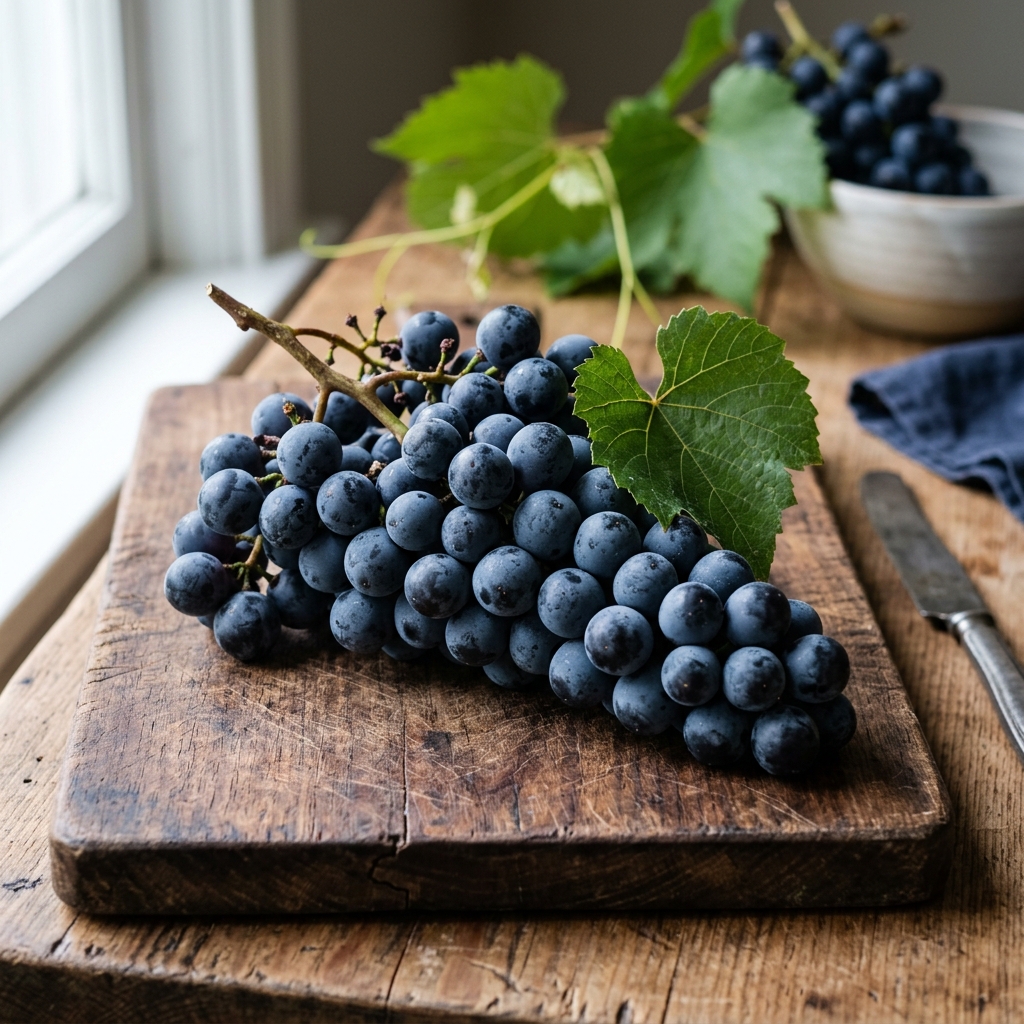
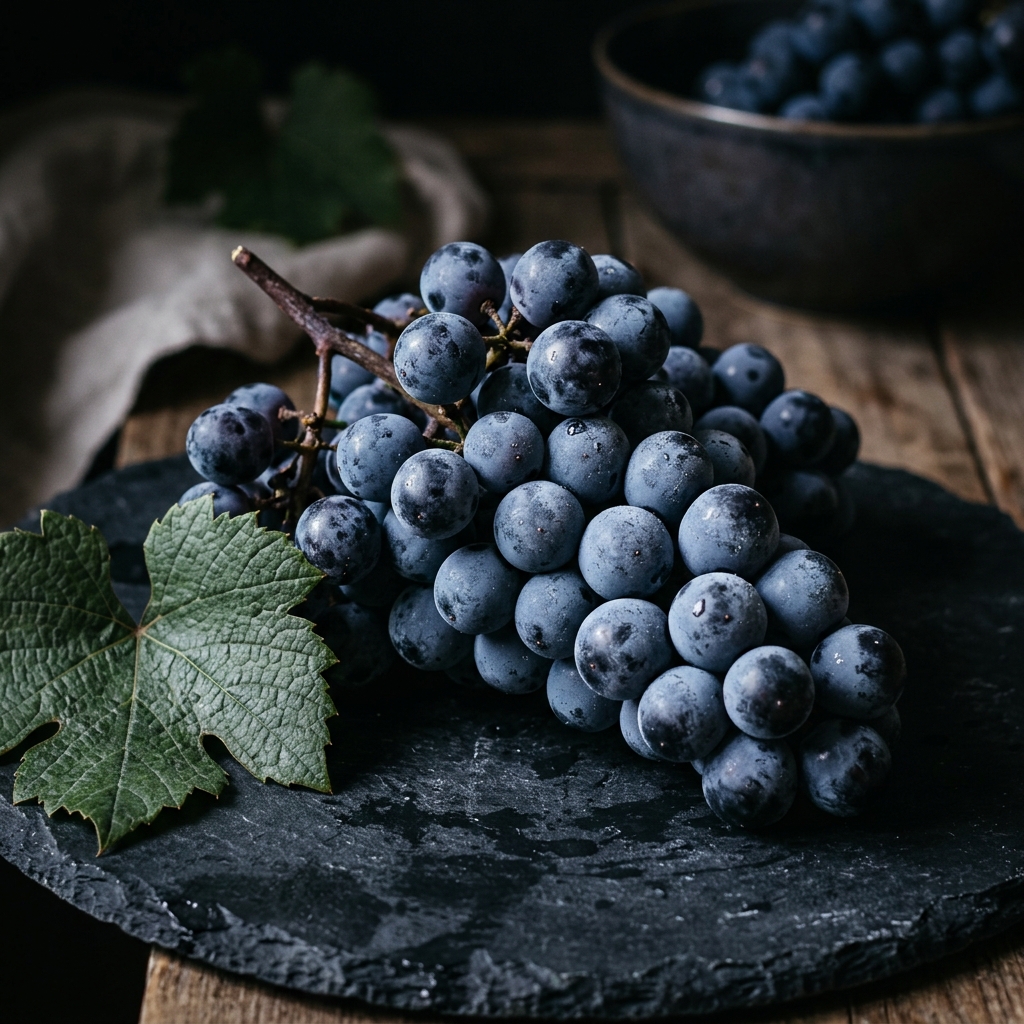
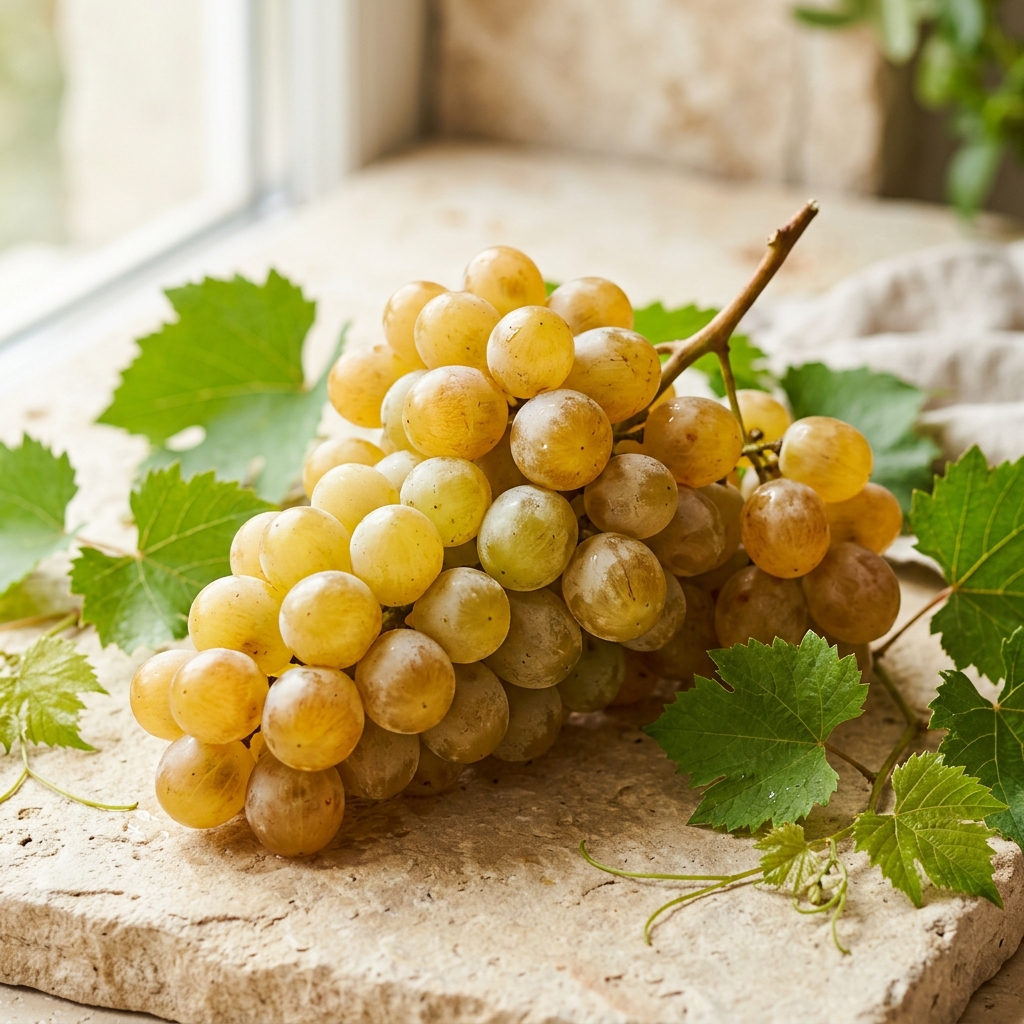
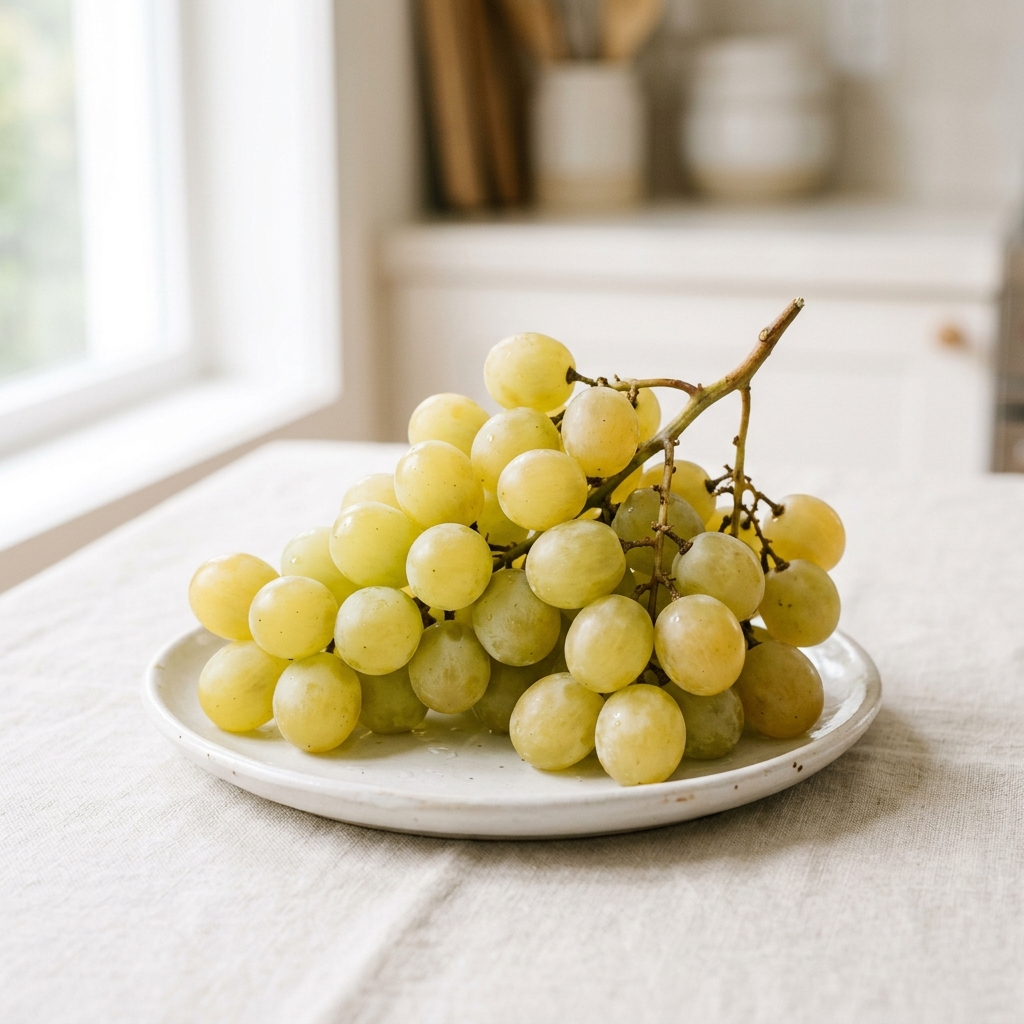
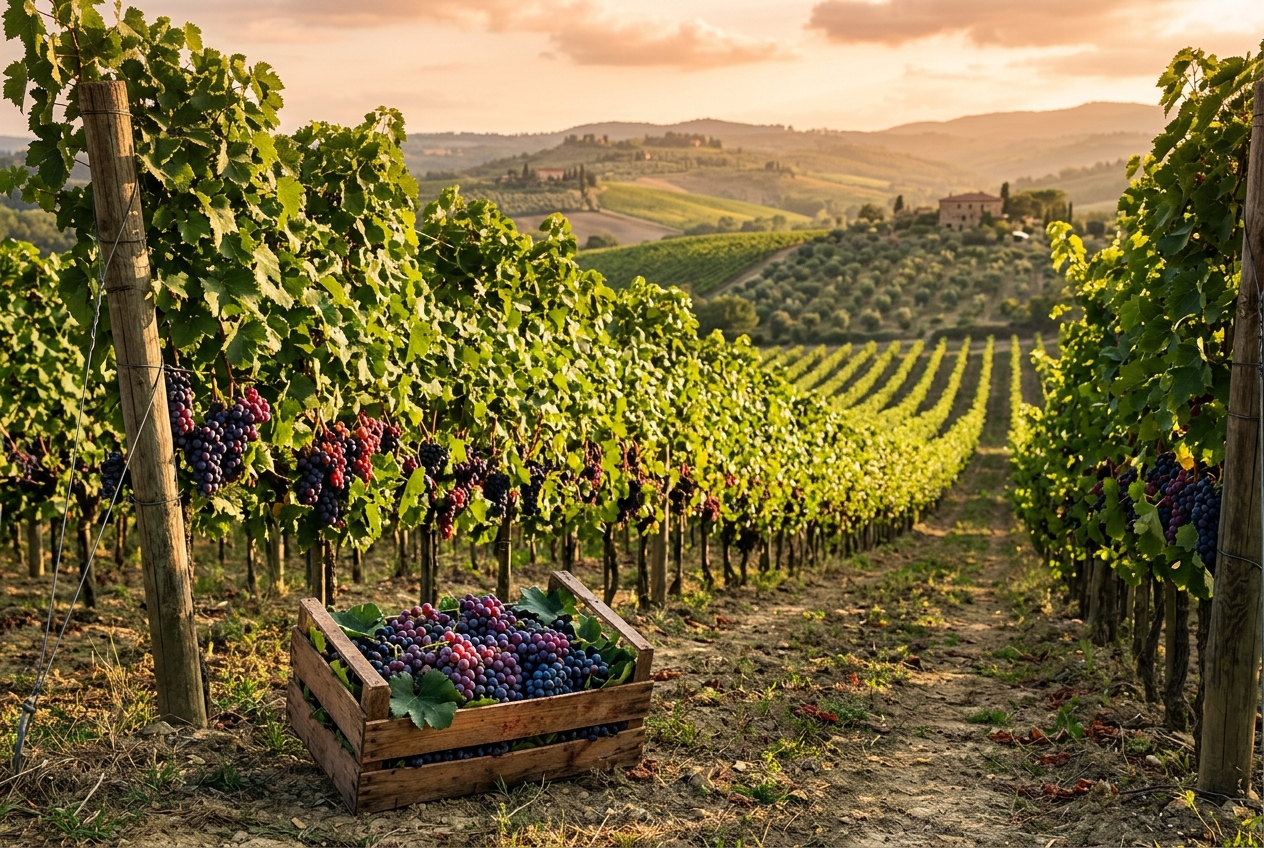
Explore visual varieties and characteristics.
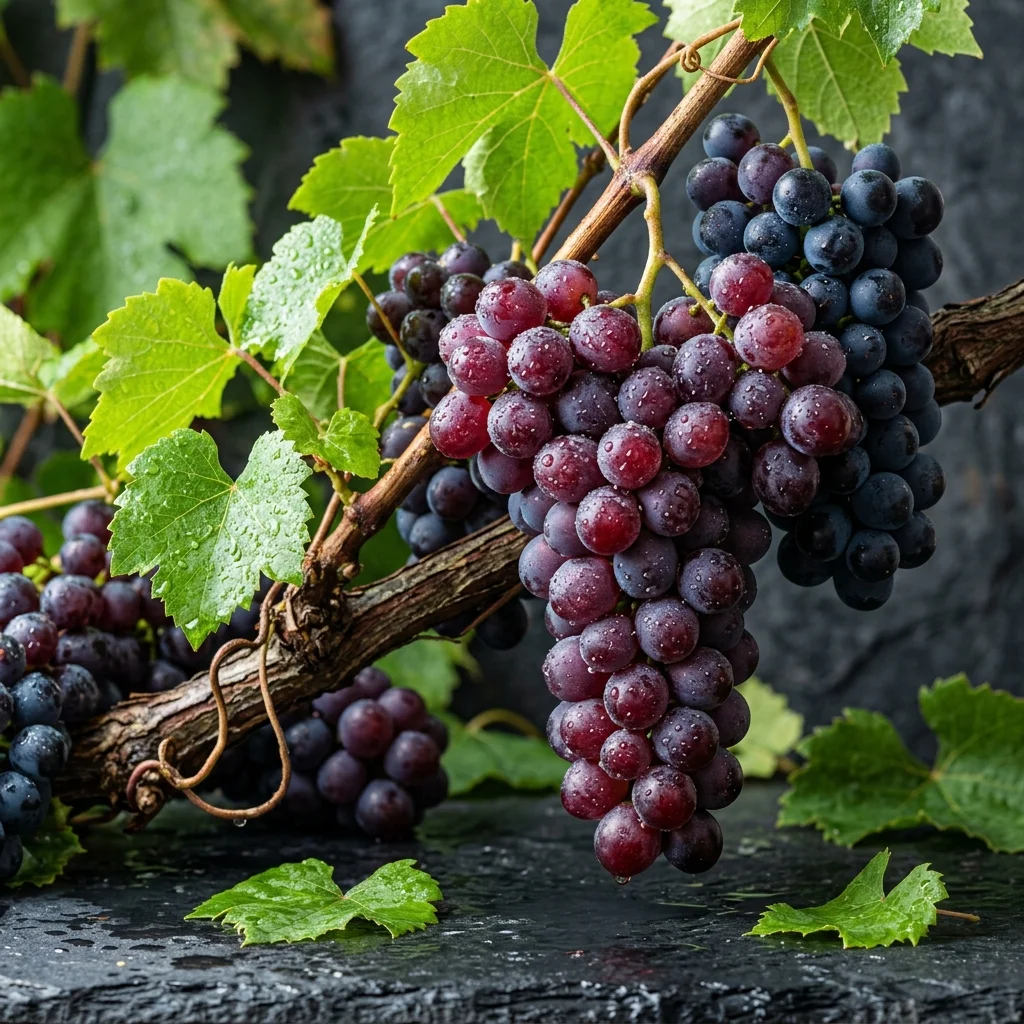
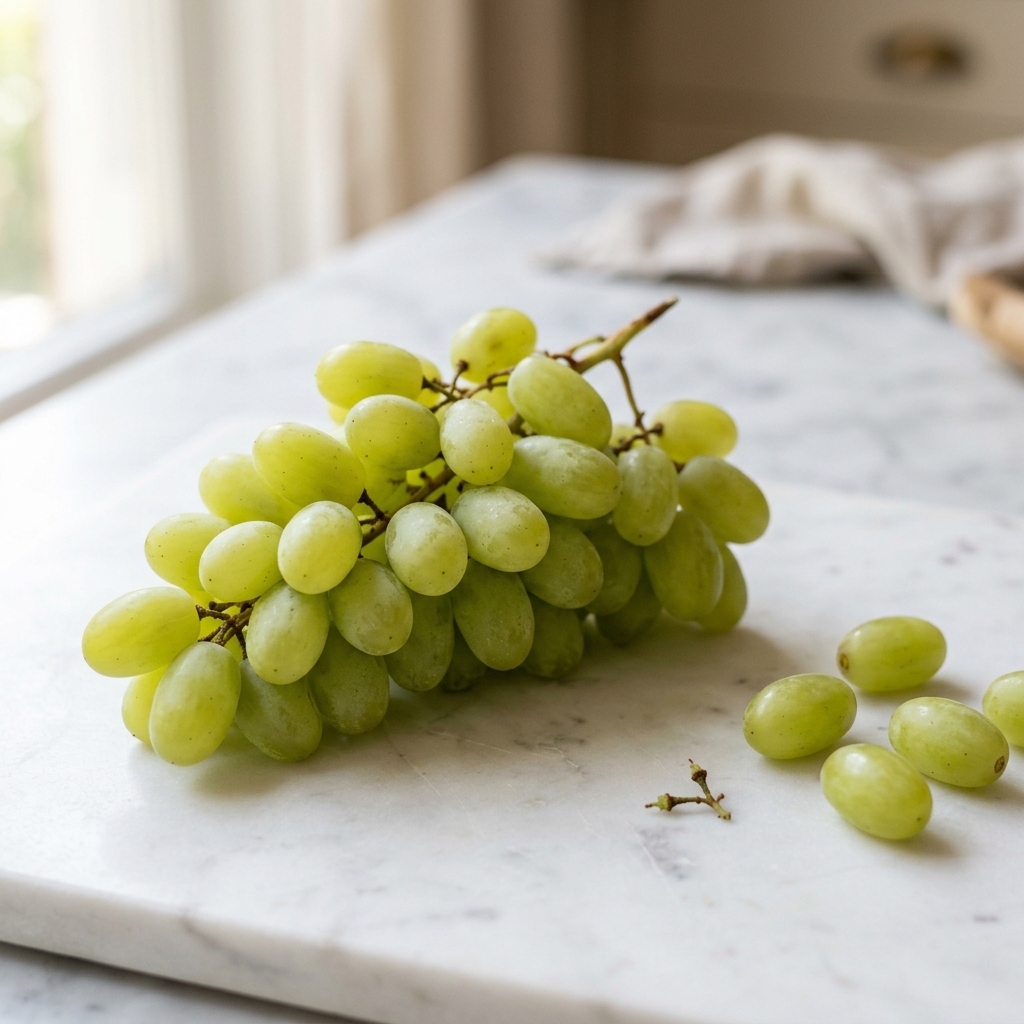
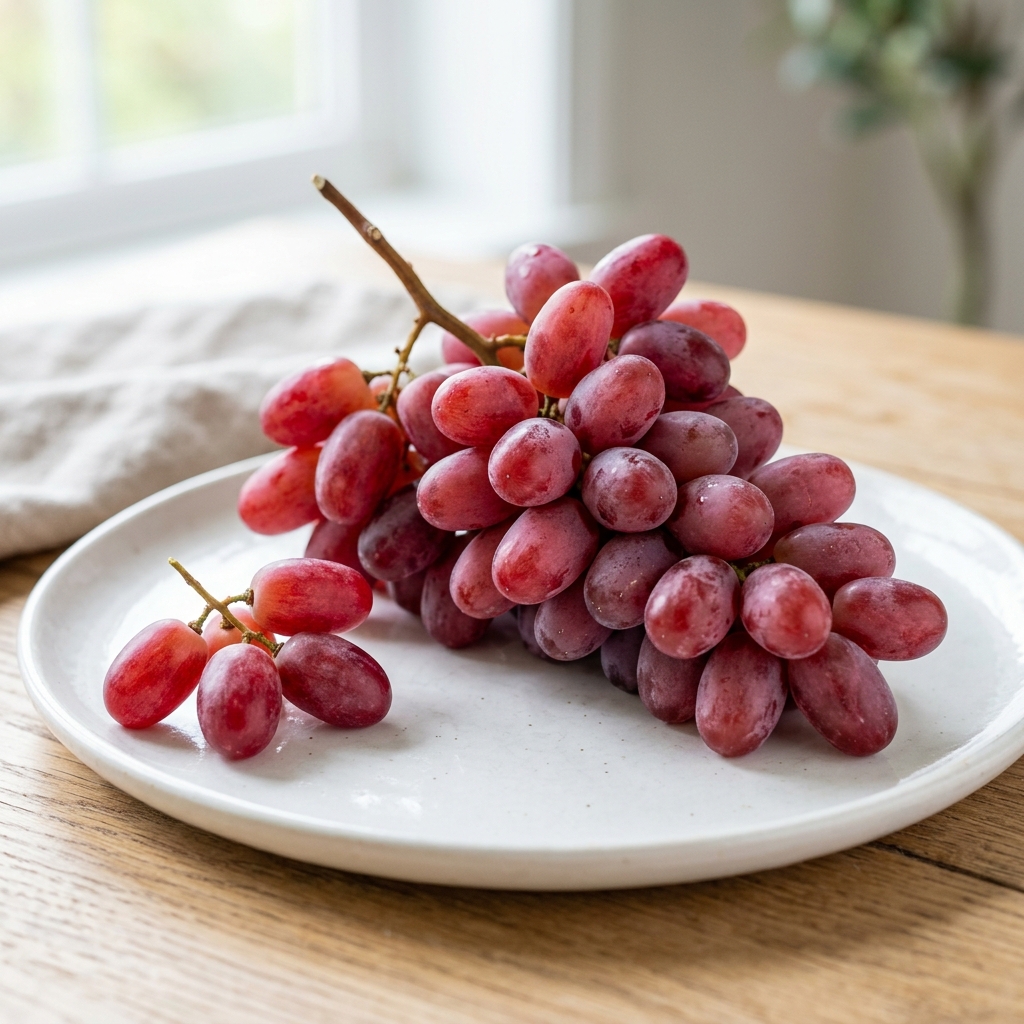
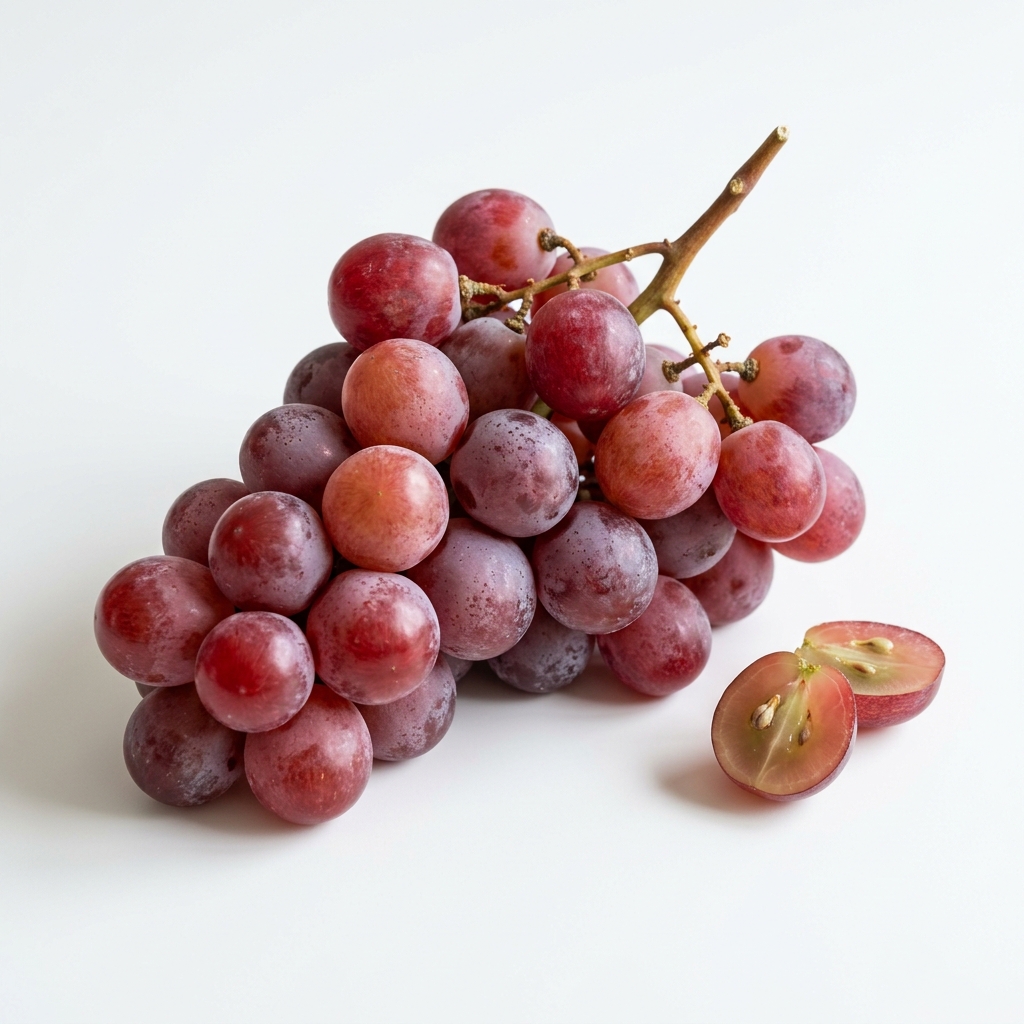
For adults and older children who can safely handle them, enjoy grapes with their edible skins after washing under running water. For young children, cut grapes into age-appropriate pieces.
Green, red and purple grapes offer similar basic fruit benefits, although their polyphenol and pigment profiles differ. A darker color does not establish better clinical outcomes.
Serve grapes alongside plain yogurt, cheese or nuts for additional protein and fat. Consider the total carbohydrate portion if managing diabetes; no combination guarantees stable blood glucose.
Keep grapes cool in ventilated packaging, inspect for mold or damaged berries and wash portions before eating. Dry gently after washing.
Traditional preparations and global recipes celebrating wholesome ingredients, balanced textures, and rich culinary heritage.
Fresh halved grapes tossed with leafy greens, walnuts, cheese and a light lemon dressing.
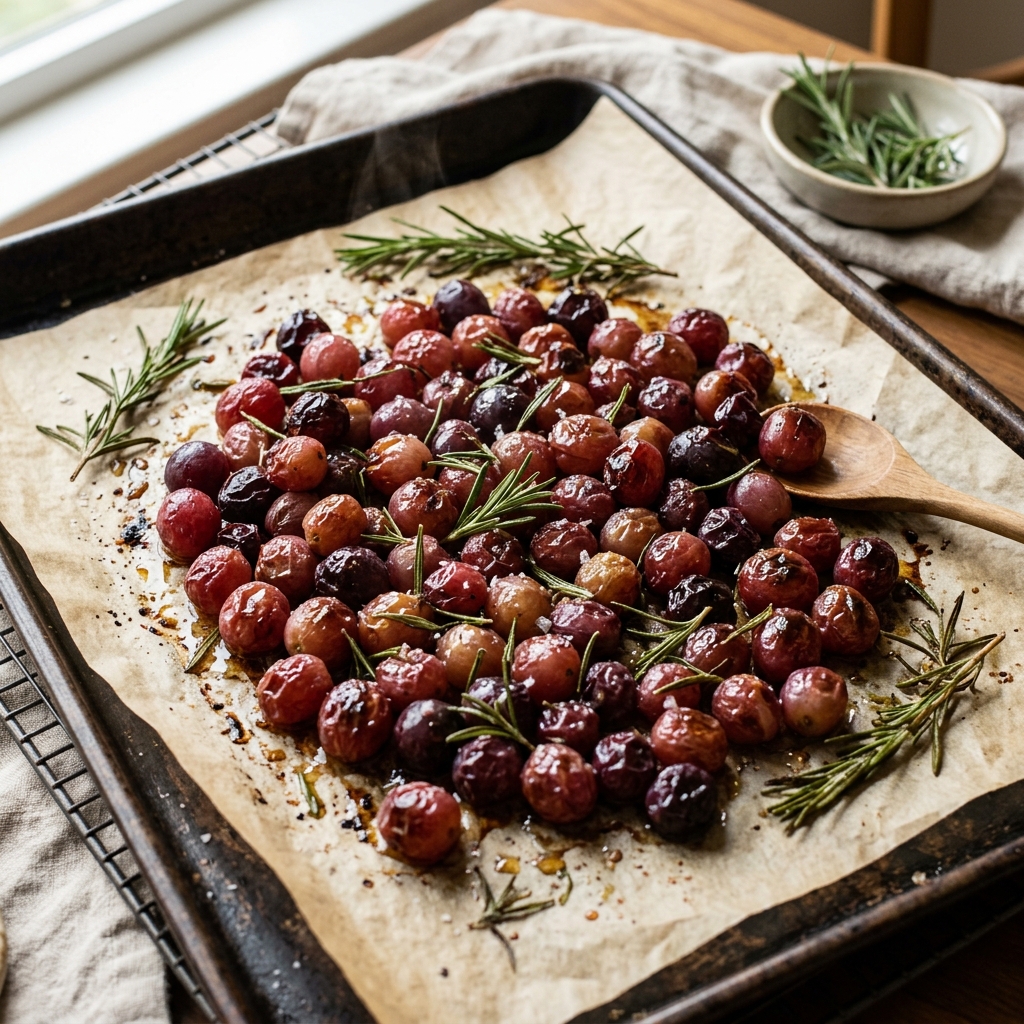
Fresh grape clusters roasted with olive oil and rosemary, served with roasted vegetables, grain bowls or savory dishes.
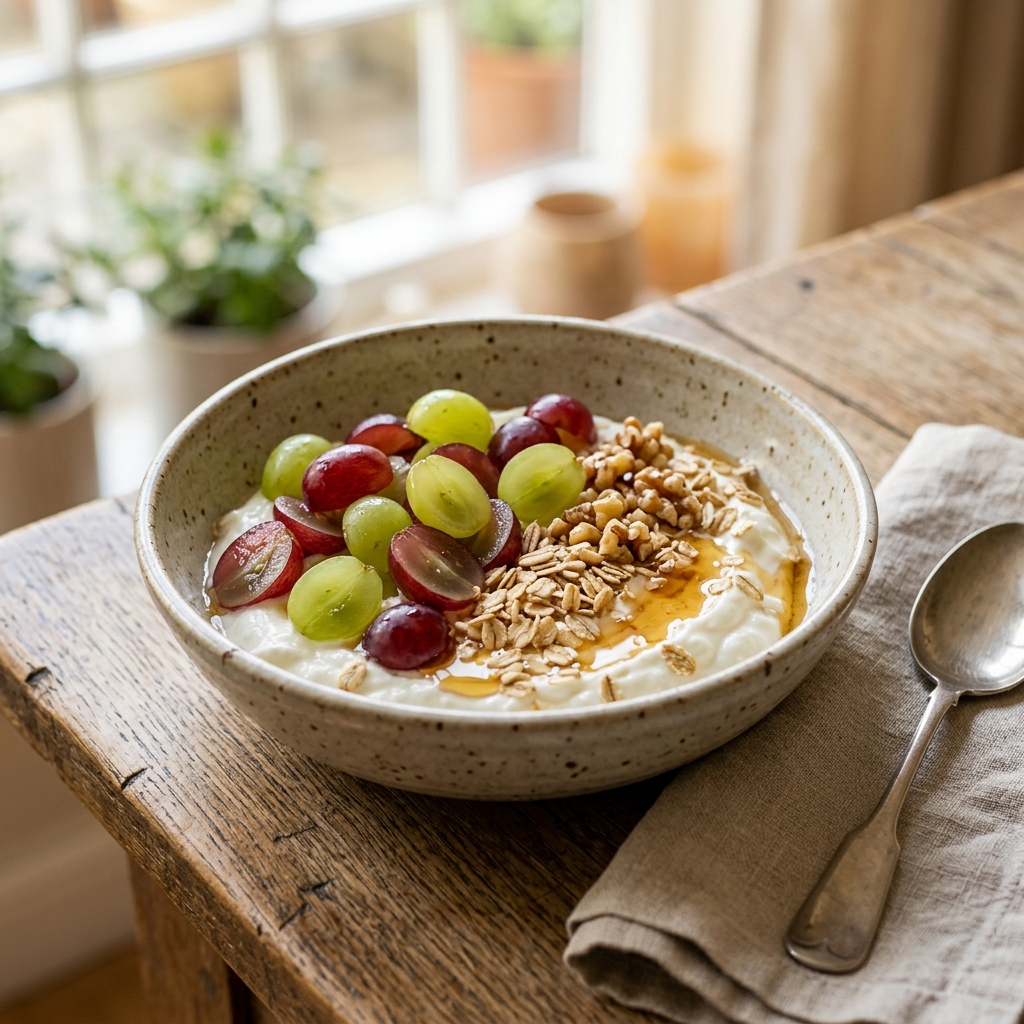
Washed, sliced grapes layered with unsweetened yogurt, oats and chopped nuts for a fruit-based breakfast or snack.
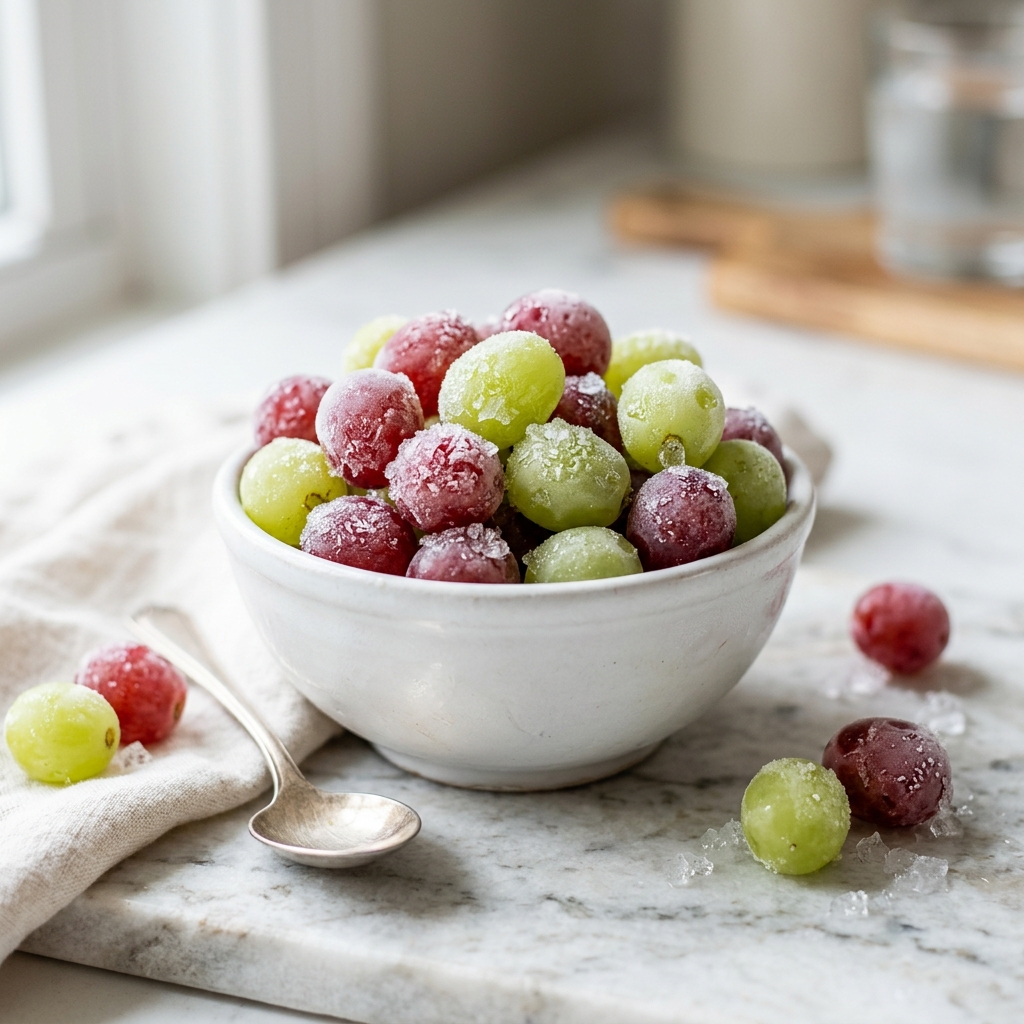
For adults, washed and fully dried grapes can be frozen as a refreshing snack. Frozen whole grapes are not appropriate for infants or young children because of choking risk.
Grapes provide water, naturally occurring carbohydrates, vitamin K, copper, potassium and plant polyphenols. Grape-product research suggests possible modest cardiovascular effects, but the evidence does not establish that a daily serving of fresh grapes prevents heart disease, improves memory or treats diabetes. Their clearest benefit is as a nutritious whole-fruit choice within a varied diet.
USDA reference values for raw red or green European-type grapes provide about 69 calories per 100g. One cup weighing approximately 151g provides about 104 calories, 27.3g carbohydrate, 23.4g naturally occurring sugars and 1.4g fiber. Actual numbers vary with serving size and cultivar.
One cup of fresh grapes (151g) contains approximately 23.4g of naturally occurring sugars. These are not added sugars, but they still contribute to total carbohydrate intake. A half-cup portion contains approximately 11.7g of sugar.
Red and purple grapes typically contain more anthocyanin pigments in their skins than pale green grapes. However, green grapes also contain nutrients and other plant polyphenols. Color alone cannot establish that one variety provides better health outcomes in humans. Both can be healthy choices.
Dark purple or black grapes contain anthocyanin pigments and other polyphenols, with concentrations varying by variety and growing conditions. These compounds are biologically interesting, but eating black grapes has not been clinically proven to prevent cancer, improve eyesight or produce special disease-treatment effects.
Yes, grapes can fit into many diabetes eating plans when the carbohydrate portion is considered. One cup contains approximately 27.3g total carbohydrate; half a cup contains about 13.7g. The American Diabetes Association recommends including whole fruit while counting carbohydrates. Pairing grapes with other foods does not guarantee prevention of blood-sugar rises.
There is no single reliable GI number for all grape varieties and serving preparations. Values differ between studies and products. Glycemic index also does not describe the total carbohydrate in a portion, so carbohydrate counting and individual glucose response remain important.
A 2023 systematic review of 30 randomized trials found a small average reduction in systolic blood pressure with grape products, but the certainty of evidence was low and several other vascular measures did not improve. Trials of grape powders and extracts cannot establish that ordinary fresh-grape portions treat high blood pressure or high cholesterol.
Grape polyphenols have been investigated for cognitive and brain-related effects, but human evidence is not strong enough to conclude that everyday grape consumption improves memory or prevents dementia. A study protocol is not evidence that a treatment has succeeded.
Yes. Resveratrol is a naturally occurring polyphenol found in grapes, particularly in grape skins, but its concentration varies by variety and growing conditions. Human studies using high-dose resveratrol supplements should not be treated as proof of benefits from eating a cup of grapes.
One cup of grapes contains around 104 calories and has a high water content. Grapes can replace more energy-dense snacks as part of an overall calorie-aware eating pattern. They do not burn fat or cause weight loss independently of total energy intake.
Thoroughly washed grapes are generally a normal fruit option during pregnancy. They contribute hydration and several nutrients. Rinse grapes under running water, remove spoiled fruit, refrigerate appropriately and follow individualized dietary guidance if managing gestational diabetes.
Grapes are listed among lower-potassium fruit choices by the National Kidney Foundation at a half-cup serving. Approximately half a cup provides 144mg potassium, whereas one full cup provides about 288mg. Suitability depends on the person's blood potassium level, portion size and prescribed kidney diet.
Whole grapes are a choking hazard for infants and young children because of their round shape and size. Serve grapes in age-appropriate small pieces, commonly by cutting them lengthwise into quarters, with close supervision. Do not offer whole or whole frozen grapes to young children.
Never intentionally feed grapes or raisins to dogs. Veterinary evidence establishes that they can cause acute kidney injury, and the toxic amount is unpredictable. Reports in cats are far more limited, but keeping grapes and raisins away from cats is also prudent. Contact a veterinarian promptly if a dog eats grapes or raisins; do not wait for symptoms.
Raisins are dried grapes. Removing water concentrates calories, sugars and several nutrients per gram, making portion size especially important. Fresh grapes provide more water and food volume for a given weight, while raisins are convenient and shelf-stable. Neither is automatically better for everyone.
For ordinary home storage, keep grapes refrigerated, ideally in ventilated packaging, and wash under clean running water just before eating. Remove damaged or moldy berries. Soap, detergent and special produce washes are not recommended by the FDA.
Grape skins are normally edible and contain some of the fruit's polyphenols. Seeds in seeded grape varieties are also generally edible, though people may dislike their texture. Whole seeds and grapes are inappropriate for young children when they present a choking hazard.
Angoor is the common Urdu and Hindi word for grapes. Grapes belong to the genus Vitis, with Vitis vinifera being the major cultivated European grape species. Some other familiar grape varieties belong to different Vitis species.
Have a moment? Share your feedback or suggestions via Google to help us produce even higher quality, evidence-based nutrition guides.
No saved articles yet.
Click the bookmark button inside any article to save it here for offline reading!
Hi! I am Mapple AI, your food science research companion. Ask me anything about biomolecules, organic diet patterns, or longevity recipes.