01
Classic Kiwi Pavlova
Pavlova Recipe GuideA classic dessert featuring crisp, marshmallowy meringue topped with whipped cream and sliced green kiwi to balance sweetness with fresh acidity.
 Mapple Health
 Kiwifruit is best known for its bright green flesh, black edible seeds and refreshing sweet-tart flavor, but its nutritional profile is more interesting than its appearance suggests. Green kiwifruit provides substantial vitamin C along with dietary fiber, potassium, folate and vitamin K. It also contains actinidin, a natural protease that gives green kiwi some unusual food-science and digestive properties.
What makes kiwifruit especially interesting is that several commonly discussed benefits have actually been studied in humans. The strongest evidence concerns bowel regularity and gastrointestinal comfort: an international randomized crossover trial found that eating two green kiwifruits daily improved complete spontaneous bowel movements and GI comfort in adults with functional constipation and constipation-predominant IBS. (PubMed)
Other claims require more caution. Research on actinidin supports enhanced protein digestion in laboratory and animal models, while a small 2011 human study reported improvements in several sleep measures after nightly kiwi consumption. These findings are interesting, but they do not justify describing kiwi as a cure for indigestion or insomnia. (PubMed)
This guide separates established nutrition, randomized clinical evidence, experimental research, practical food science, cultivation and safety, so you can understand not just what kiwi may offer, but how strong the evidence actually is.
| Botanical & Cultural Fact | Scientific Detail |
|---|---|
| Scientific Name | Actinidia deliciosa (common green kiwi); Actinidia chinensis (golden kiwi) |
| Plant Family | Actinidiaceae (Kiwifruit family) |
| Geographic Origin | Mountainous valleys of the Yangtze River Basin, Central & Eastern China |
| Botanical Fruit Type | True berry |
| Physical Appearance | Oval berry with brown fuzzy skin, emerald-green pulp, and a pale central core with black seeds |
| Signature Enzyme | Actinidin (cysteine protease naturally present in green varieties) |
| Major Nutrients | Vitamin C, dietary fiber, potassium, folate, vitamin K |
| Primary Culinary Uses | Fresh eating, salads, smoothies, fruit bowls, marinades, and desserts |
Native to the forest borders of China, where it was traditionally gathered from the wild under names such as yang tao and mihou tao, the vine was brought to New Zealand in the early 20th century. Through careful horticultural selection, growers developed the large, sweet, fuzzy fruit known today, eventually marketing it internationally under the name kiwifruit.
Three distinct characteristics set kiwifruit apart from ordinary fresh produce:
| Fruit | Particularly Notable For | Practical Nutritional Profile |
|---|---|---|
| Green Kiwi | Vitamin C, dietary fiber, actinidin | Backed by human trial evidence for bowel regularity |
| Guava | Very high vitamin C and dietary fiber | Exceptionally dense in fiber and carotenoids |
| Orange | Vitamin C and fluid content | Classic citrus fruit with high water content and citric acid |
| Apple | Soluble pectin and dietary fiber | Pectin-rich whole fruit supporting colonic fermentation |
| Papaya | Vitamin C, carotenoids, and papain | Soft, lower-fiber tropical fruit with natural enzymes |
| Pineapple | Vitamin C and bromelain | Tropical fruit containing the protein-digesting enzyme bromelain |
Kiwi’s distinguishing feature is not that it contains every nutrient in the highest amount. Its appeal comes from the combination of vitamin C, dietary fiber, water, plant compounds, and, especially in green varieties, active actinidin.
To evaluate kiwifruit objectively, it helps to look at where current scientific evidence is strongest, and where it remains preliminary:
| Topic | Evidence Level | What the Research Shows |
|---|---|---|
| Constipation | Strongest Direct Human Evidence | Randomized clinical evidence showing improved bowel frequency and gastrointestinal comfort. (PubMed) |
| IBS-C | Promising / Clinical | Documented improvements in stool frequency, ease of defecation, and abdominal comfort in constipation-predominant IBS. |
| Protein Digestion | Experimental + Limited Human Evidence | Actinidin enhances breakdown of some proteins in laboratory digestion models, while a controlled human study found a faster rise in circulating essential amino acids after a beef meal consumed with Hayward green kiwifruit. (PubMed) |
| Sleep Quality | Preliminary | One small, self-controlled pilot study of 24 adults reported improvements in sleep onset and duration. (PubMed) |
| Vitamin C & Nutrition | Well Established | Substantial nutrient contribution, delivering over 100% of daily vitamin C needs in two fruits. (USDA FDC) |
| Blood Pressure & Heart Health | Nutritional / Supportive | Supplies potassium, polyphenols, and fiber that contribute to a healthy dietary pattern; not a treatment for cardiovascular disease. |
| Kiwi Allergy | Well Established Safety Issue | Recognized food allergen; clinical reactions range from localized oral symptoms to systemic anaphylaxis. (PubMed) |
Among the commonly discussed health effects of kiwifruit, bowel regularity has some of the strongest direct human clinical evidence.
In 2023, an international research team published the results of a multicenter randomized controlled crossover trial in The American Journal of Gastroenterology (Gearry et al., PMID: 36537785).
The study included 63 healthy controls, 60 adults with functional constipation, and 61 adults with constipation-predominant IBS (IBS-C). Participants were assigned to two green kiwifruits or 7.5 g psyllium per day for four weeks, followed by a four-week washout and crossover to the other intervention:
Researchers have proposed that several properties of green kiwifruit work together:
Monash University lists approximately 150 g of kiwifruit, equivalent to around two small fruits, as a low-FODMAP serving. For people with IBS-C who tolerate kiwi, this provides a practical whole-food option within an individualized diet. In the 2023 multicenter trial, participants with IBS-C experienced meaningful reductions in abdominal discomfort, bloating, and straining while consuming green kiwifruit.
Medical Caveat: While green kiwifruit is supported by randomized clinical evidence for mild constipation and IBS-C, persistent constipation, blood in the stool, unexplained weight loss, or severe abdominal pain warrants comprehensive medical evaluation.
Actinidin is a cysteine protease naturally present in green kiwifruit. Food scientists have studied actinidin extensively to determine whether it influences dietary protein digestion.
Laboratory research using simulated digestion models has demonstrated that actinidin can accelerate the initial rate of gastric protein breakdown for foods such as beef, chicken, soy, and gelatin. (PubMed) Animal feeding models have similarly documented enhanced gastric protein hydrolysis in the presence of active actinidin. (PubMed)
Laboratory and animal studies provide the clearest evidence that actinidin can increase protein breakdown during digestion. (PubMed)
Human research is more limited, but one randomized, double-blind crossover study in healthy older adults compared Hayward green kiwifruit with Hort 16A gold kiwifruit while participants consumed a beef meal. The green-kiwi condition produced a more rapid rise in circulating essential amino acids, although the total amount of amino acids absorbed did not differ between the two kiwifruit conditions. These findings suggest that green kiwifruit may influence the rate of protein digestion and amino-acid appearance in the blood, but they do not establish a larger overall amount of protein absorbed. (PubMed)
The human study is informative, but it cannot isolate actinidin completely because green and gold kiwifruit differ in more than enzyme content. Its strongest implication is that green kiwifruit may alter the rate of protein digestion and amino-acid appearance after a meal, not that it causes greater total protein absorption.
While these findings provide a plausible biological explanation for kiwi’s digestive reputation, they should not be translated into a guarantee that eating kiwi will prevent bloating or indigestion after a particular meal. Human responses vary, and the strongest clinical evidence for green kiwifruit currently concerns bowel regularity rather than “protein digestion” as a clinical endpoint.
Raw green kiwifruit contains active actinidin, a protease that can break down proteins such as gelatin and milk proteins. This is why fresh kiwi may prevent gelatin desserts from setting properly and can alter the texture of some dairy preparations. (PubMed)
Because gelatin relies on an intact collagen protein network to form a gel, active actinidin hydrolyzes the protein strands before they can solidify. To use kiwi in gelatin molds, simply heat or blanch the sliced kiwi for a couple of minutes first; heat deactivates the enzyme, allowing the dessert to set normally.
Raw green kiwi can also be used as a short-contact meat tenderizer because actinidin breaks down surface proteins. Longer exposure can make the surface texture excessively soft, so kiwi-based marinades are generally best used for relatively short periods before cooking.
A frequently cited topic online is the relationship between kiwifruit and sleep. This discussion stems from a 2011 pilot study conducted at Taipei Medical University (Lin et al., published in the Asia Pacific Journal of Clinical Nutrition, PMID: 21669584).
The researchers followed 24 adults (2 men, 22 women) aged 20 to 55 with self-reported sleep problems who consumed two kiwifruits one hour before bedtime nightly for four weeks. The authors reported:
The researchers proposed that kiwifruit’s serotonin and antioxidant content might contribute to the observed effects, but the study was not designed to determine which compounds were responsible.
For people who tolerate kiwifruit, eating two kiwifruits before bed is a practical dietary experiment, but the small study does not establish kiwi as a treatment for insomnia. The trial was small, self-controlled, unblinded, and lacked a placebo control group. Larger randomized controlled trials are needed before kiwi can be considered an established sleep intervention.
While both green and golden kiwifruit are nutritious choices, their physical, culinary, and biochemical properties differ:
| Characteristic | Green Kiwifruit (A. deliciosa) | Golden Kiwifruit (A. chinensis) |
|---|---|---|
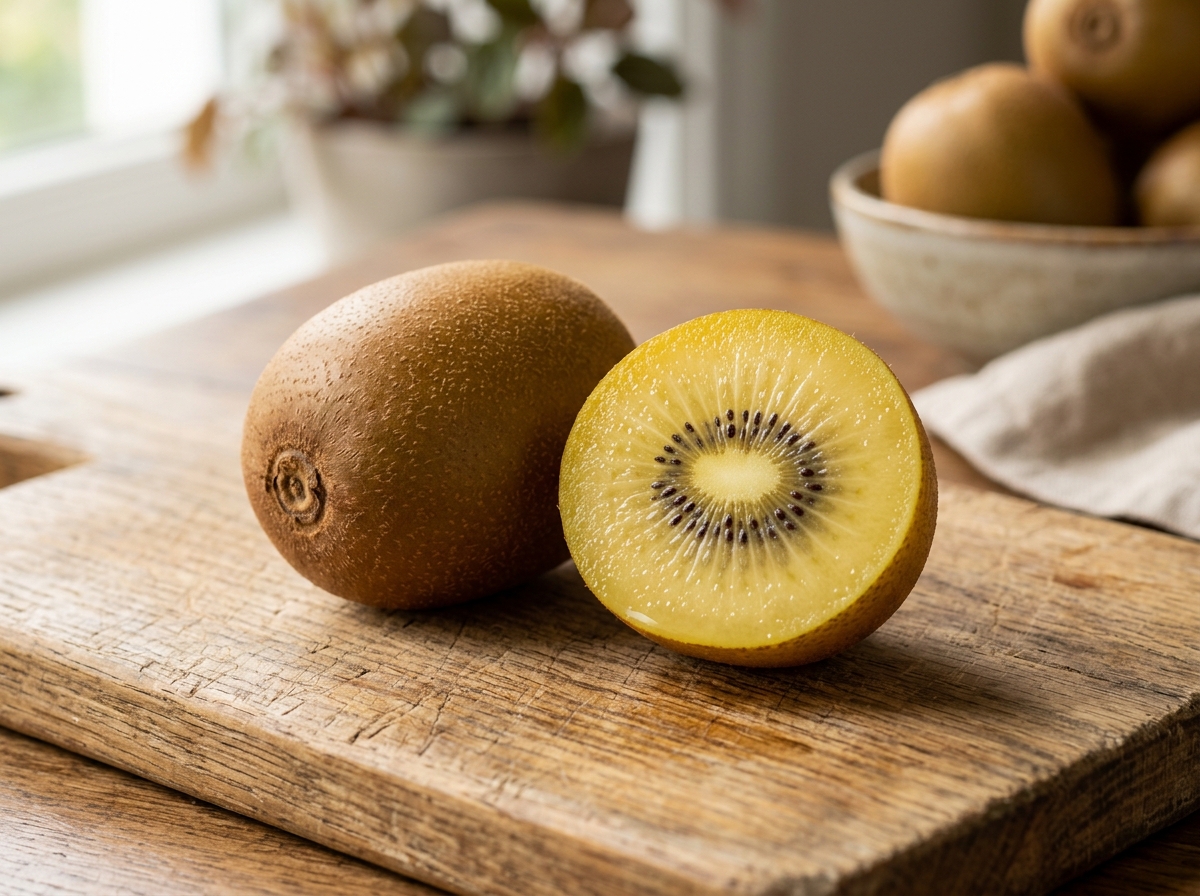
| Skin Texture | Fuzzy brown | Smooth bronze |
| Flesh Color | Bright green | Yellow / golden |
| Flavor Profile | Tart and sweet with noticeable acidity | Sweeter, less acidic, tropical |
| Actinidin Activity | Generally higher | Usually lower; varies by cultivar |
| Vitamin C Content | High (~93 mg per 100g) | Often very high; varies by cultivar |
| Constipation Evidence | Strong clinical trial evidence | Also studied, but evidence base differs |
Important Detail on Golden Kiwi: Describing golden kiwi as having “less actinidin” is more accurate than claiming it contains none. SunGold contains measurable actinidin activity, although substantially less than Hayward green kiwifruit; actinidin content and activity vary among gold cultivars. (PubMed)
Yes. Kiwifruit skin is edible. Many people around the world eat the fruit whole after washing it thoroughly.
| Consideration | Whole Fresh Kiwifruit | Filtered Kiwifruit Juice |
|---|---|---|
| Dietary Fiber | Retained as part of the whole fruit | Much lower when pulp is removed |
| Food Structure | Intact fruit matrix | More processed liquid form |
| Satiety | Requires chewing and is eaten more slowly | Easier to consume quickly |
| Everyday Choice | Better way to obtain the whole fruit’s fiber | Convenient beverage, but not equivalent to whole fruit |
For everyday nutrition, whole fruit is generally more useful than filtered juice because the fruit’s fiber and physical food matrix are preserved.
For most people who tolerate it, kiwifruit can be included regularly as part of a varied, balanced diet. There is no scientifically established requirement that everyone eat exactly two kiwis every day. The two-fruit portion is particularly important because it was the specific dose evaluated in the clinical trials on constipation. (PubMed)
There is no universal medically required serving of kiwi. Many people can include one or two fruits as part of a varied diet, while individual energy needs, dietary patterns and tolerance differ. Research on constipation has specifically studied two green kiwifruits daily, so that amount should be described as a studied intervention rather than an optimal requirement for everyone. (PubMed)
Whole kiwifruit retains its fiber and intact food structure, whereas filtered juice contains less of the original fruit matrix and can be consumed more quickly. People managing diabetes should consider portion size and the total carbohydrate content of their meal.
A reference serving of two medium green kiwifruits provides approximately 20.2 grams of total carbohydrates, balanced by 4.1 grams of dietary fiber and high water content. Because individual glycemic responses vary based on ripeness, portion size, and the composition of the whole meal, individuals managing blood sugar should account for kiwi within their individualized meal plans.
Kiwifruit provides approximately 431 mg of potassium per 2-fruit serving alongside natural polyphenols, dietary fiber, and very low sodium. Potassium is an essential mineral that helps maintain normal fluid balance and cellular function.
Including kiwifruit as part of an overall eating pattern rich in fruits, vegetables, and whole foods supports general cardiovascular wellness, though eating kiwi should not be viewed as a standalone treatment for hypertension or heart disease.
Fresh, well-washed kiwifruit is a nutritious addition to a pregnancy diet. It contributes dietary folate (35 µg per 2-fruit serving), vitamin C, hydration, and dietary fiber that can help support healthy bowel regularity during pregnancy. It should be used as part of a varied diet alongside prescribed prenatal supplementation and medical guidance.
Kiwifruit is a recognized food allergen. Reactions can range from localized oral itching and swelling to serious systemic reactions requiring urgent medical care. (PubMed)
Medical researchers have identified several major allergenic proteins in kiwifruit, including Act d 1 (actinidin), Act d 2, Act d 5, Act d 8, and Act d 12. (PubMed)
Cross-reactivity can occur because some kiwi proteins resemble allergenic proteins found in other foods, pollens, or natural rubber latex:
Emergency Warning: Anyone experiencing lip or tongue swelling, throat tightness, difficulty breathing, dizziness, or widespread hives after eating kiwi should seek immediate emergency medical care. People with a diagnosed kiwi allergy should strictly avoid the fruit.
Most people can enjoy kiwifruit as part of a varied diet. Extra caution is appropriate for people with a diagnosed kiwi allergy, advanced kidney disease requiring potassium restriction, or those taking vitamin K antagonist anticoagulants. People with IBS should also consider individual tolerance, even though Monash guidance lists appropriate kiwi portions as low FODMAP.
A ripe kiwi should yield slightly when pressed gently with your thumb. It should feel soft enough to give a little without being mushy, leaking, or fermented-smelling:
Firm kiwifruit can continue ripening after harvest. As the fruit softens, starches convert into simple sugars, acidity decreases, and flavors become sweeter and more balanced.
Once kiwifruit reaches optimal ripeness, transfer it to the refrigerator crisper drawer. Chilled temperatures slow ethylene production and soften rates, preserving eating quality often for another week or more, depending on initial ripeness and storage conditions. Keep bruised or overripe fruit separate from firm fruit.
Kiwifruit is harvested seasonally, but post-harvest cold storage allows it to remain available in markets for many months after harvest. Because major commercial growing regions are located in both the Northern and Southern Hemispheres, harvest calendars differ by country. Cultivar, local climate, and cold-chain management all influence when fresh fruit appears in retail markets throughout the year.
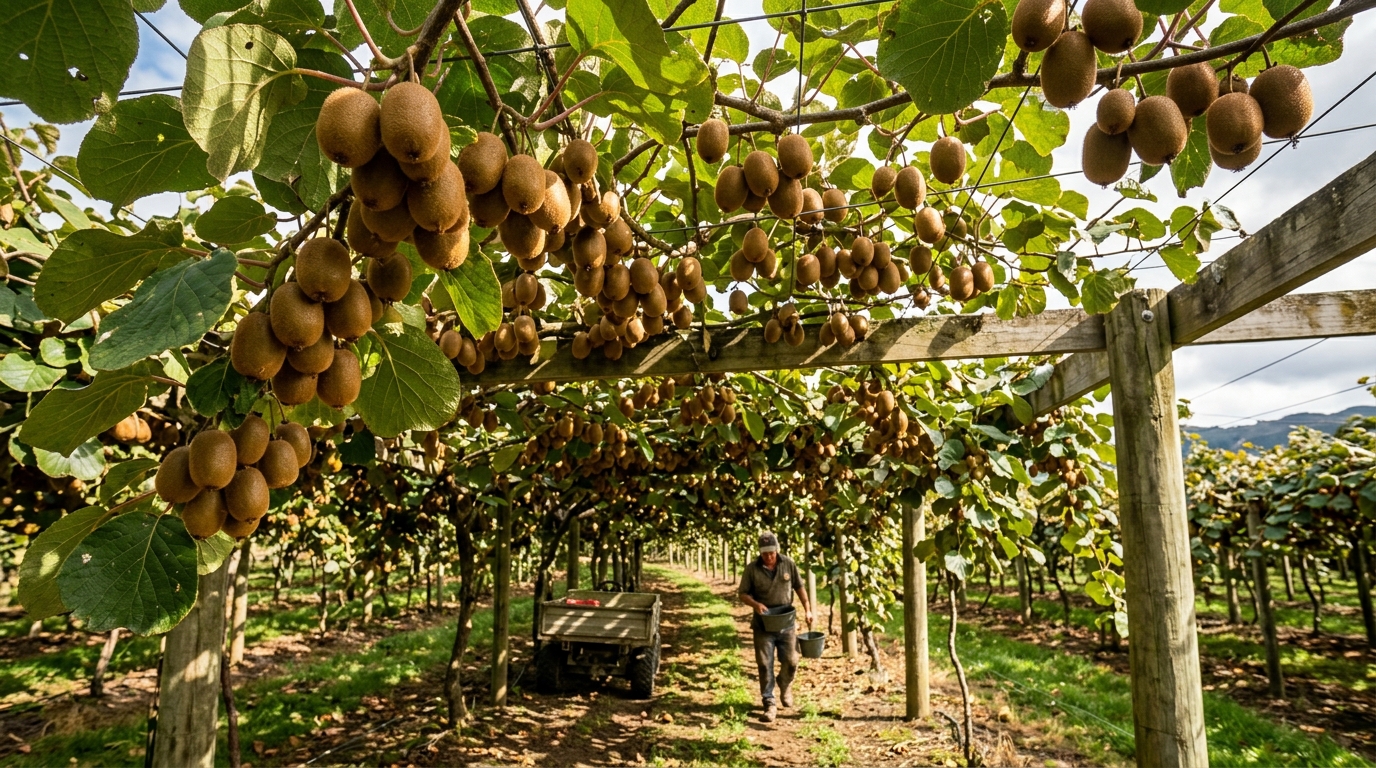
Kiwifruit grows on vigorous, woody deciduous vines rather than conventional fruit trees. Commercial production depends heavily on appropriate climate, sturdy trellising, pollination, and pruning:
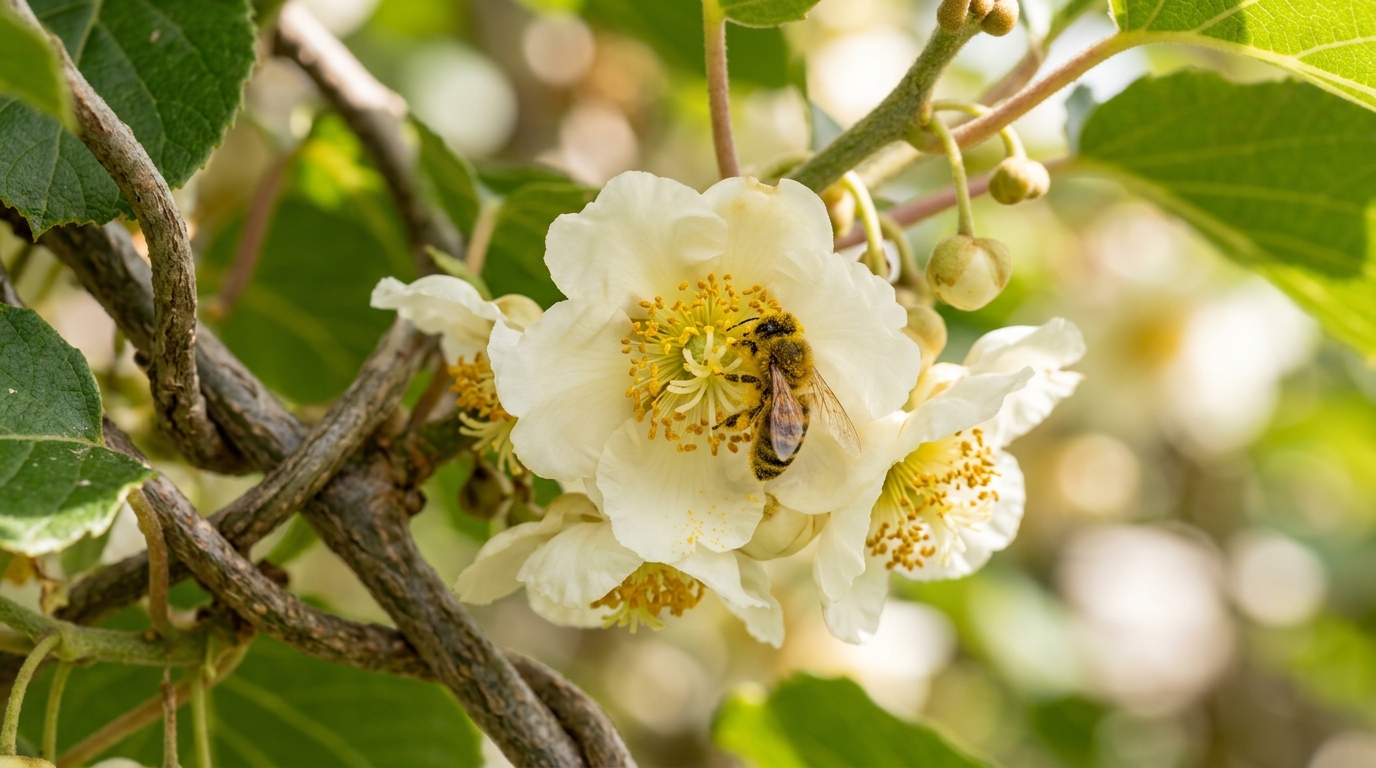
Most commercially grown kiwifruit cultivars are dioecious: male and female flowers occur on separate vines. Female vines produce the fruit, while male vines provide pollen. Successful orchard production therefore depends on compatible male and female cultivars flowering at the same time and sufficient insect-mediated pollination.
Kiwifruit is more than a vitamin C-rich fruit. Green kiwifruit combines substantial vitamin C and dietary fiber with actinidin, a distinctive plant protease that has been studied for its effects on protein digestion.
Among its potential health benefits, bowel regularity has the strongest direct clinical evidence, with randomized research showing improved bowel frequency and gastrointestinal comfort in adults with functional constipation and IBS-C. Evidence for improved sleep is intriguing but preliminary, while actinidin’s effects on protein digestion are supported by experimental research and limited human evidence.
For most people who tolerate it, kiwi can simply be enjoyed as part of a varied diet—eaten on its own, with the edible skin, or added to breakfasts, salads and desserts. The important exceptions are people with kiwi allergy and individuals who need individualized potassium or medication-related dietary guidance.
The nutritional values below represent standardized food-composition data per 100 grams of raw green kiwifruit, alongside an approximate 138 g reference serving for two medium fruits, sourced from USDA FoodData Central (FDC ID: 168153):
| Nutrient | Amount (per 100g) | Amount (per 100g raw green kiwifruit; a reference serving of about 2 medium fruits is approximately 138g) | % Daily Value (%DV) | Why Your Body Needs It |
|---|---|---|---|---|
| Calories | 61 kcal | 84 kcal | — | Relatively light, refreshing whole-fruit energy |
| Water Content | 83.1g | 114.6g | — | Juicy, hydrating fruit supporting healthy fluid balance |
| Total Carbohydrates | 14.7g | 20.2g | 7% | Naturally occurring fruit carbohydrates and dietary fiber |
| Total Sugars | 9.0g | 12.4g | — | Natural fruit sugars without added sweeteners |
| Dietary Fiber | 3.0g | 4.1g | 15% | Soluble and insoluble fiber supporting normal bowel function |
| Protein | 1.14g | 1.57g | 3% | Modest whole-food plant amino acid contribution |
| Total Fat | 0.52g | 0.72g | 1% | Naturally very low in fat |
| Vitamin C | 92.7mg | 128.0mg | 142% | Required for normal collagen synthesis and immune function |
| Vitamin K | 40.3µg | 55.6µg | 46% | Essential cofactor for normal blood clotting and bone metabolism |
| Potassium | 312mg | 431mg | 9% | Essential electrolyte supporting normal fluid balance |
| Folate (Vitamin B9) | 25µg | 35µg | 9% | Supports normal cell division and tissue formation |
| Vitamin E | 1.46mg | 2.01mg | 13% | Fat-soluble antioxidant protecting cellular membranes |
| Calcium | 34mg | 47mg | 4% | Essential mineral supporting bone structure |
| Magnesium | 17mg | 24mg | 6% | Mineral cofactor for cellular enzymatic reactions |
*Note: Nutrient composition varies naturally by cultivar, ripeness, and growing conditions. Values are based on standardized reference composition data from USDA FoodData Central (FDC ID: 168153, Kiwifruit, green, raw). Daily Values (%DV) are calculated using FDA reference daily intakes.
This clinical and nutritional reference matrix separates established whole-food facts from findings derived from small pilot studies, laboratory models, and preliminary trials:
| Health Consideration | What We Know | Practical Takeaway |
|---|---|---|
| Constipation | An international multicenter randomized controlled crossover trial found that two green kiwifruits daily increased complete spontaneous bowel movements (CSBMs) by ≥1.5 per week and significantly improved stool form and ease of defecation. | Green kiwifruit is one of the better-studied whole-food options for constipation, with randomized clinical evidence showing improved bowel frequency and gastrointestinal comfort in adults with functional constipation and IBS-C. |
| IBS-C | The same 2023 clinical trial demonstrated that participants with constipation-predominant IBS experienced significant reductions in abdominal discomfort, straining, and bloating. | Promising clinical evidence. For people with IBS-C who tolerate kiwifruit, green kiwi can be a practical whole-food option to consider as part of an individualized diet. |
| Protein Digestion | Green kiwifruit contains actinidin, an active cysteine protease enzyme that accelerates the breakdown of dietary proteins in simulated gastric models, animal studies, and a randomized trial in older adults. | Mechanistically interesting. Evidence supports enhanced protein hydrolysis, but this should not be presented as a guaranteed relief from meal-related bloating. |
| Sleep Quality | A 2011 pilot study in 24 adults reported improvements in sleep onset latency, total sleep time, and sleep efficiency after consuming two kiwifruits nightly for 4 weeks. | Promising but preliminary. Larger controlled trials are needed before kiwi can be considered a proven sleep intervention. |
| Blood Sugar | Whole green kiwifruit provides dietary fiber, water, and naturally occurring sugars within an intact food matrix. | Whole-fruit choice. Kiwi can fit into many balanced eating plans; published glycemic responses vary by cultivar, ripeness, and portion, so a single GI number is not universal. |
| Immunity & Collagen | Two medium green kiwifruits deliver 128 mg of vitamin C (142% DV), providing essential enzymatic support for immune cells and collagen synthesis. | A particularly rich whole-food source of vitamin C. Contributes efficiently to daily nutritional needs alongside diverse fruits and vegetables. |
| Heart & Vascular Health | Supplies 431 mg of potassium per 2-fruit serving alongside natural plant polyphenols and low sodium. | Nutritious dietary addition. Include it as part of an overall heart-healthy eating pattern rather than as a treatment for hypertension or cardiovascular disease. |
| Pregnancy | Contributes vitamin C, dietary folate, hydration, and dietary fiber that supports normal bowel regularity. | Useful whole fruit. Wash thoroughly under clean running water; use alongside prescribed prenatal care as directed by your clinician. |
| Kidney Disease (CKD) | Contains 312 mg of potassium per 100 g (431 mg per 2-fruit reference serving). | Portion awareness required. People following medically prescribed potassium-restricted renal meal plans should account for kiwi portions within their clinical guidelines. |
| Kiwi Allergy | Kiwifruit contains recognized allergenic proteins, including Act d 1, Act d 2, Act d 8, and other allergenic markers. | Important safety issue. Reactions range from oral itching to systemic anaphylaxis. Cross-reactivity with latex or birch pollen can occur; avoid completely if allergic. |
| Sensitive Gut & FODMAPs | Monash FODMAP guidance lists a serving of about 150 g (roughly two small kiwifruits) as low FODMAP. | FODMAP-friendly option. A practical fruit choice for individuals following an elimination diet, though personal digestive comfort should always guide intake. |
| Medication Interactions | Provides 55.6 µg of vitamin K per serving (46% DV), which is involved in blood clotting pathways. | Consistent intake matters. People taking vitamin K antagonist anticoagulants such as warfarin are generally advised to keep vitamin K intake consistent rather than making sudden major dietary changes. Discuss substantial changes with your clinician. |
A practical growing profile for this fruit. Conditions vary by variety, climate and location.
| Growing Factor | What to Know |
|---|---|
| Climate | Temperate to subtropical conditions; green kiwifruit such as Hayward require substantial winter chilling to support normal dormancy release and flowering, with exact requirements varying by cultivar, location and grower chilling models |
| Sunlight | Full sun to partial afternoon shade in hot climates; strong light supports vigorous vine growth and optimal sugar accumulation |
| Soil | Deep, fertile, well-drained sandy loam rich in organic matter; highly sensitive to standing water and crown rot |
| Ideal soil pH | Slightly acidic, ideally within the range of 5.5 to 6.5 |
| Water needs | Consistent and uniform moisture throughout the growing season and fruit sizing; requires dependable irrigation while avoiding prolonged waterlogging |
| Planting | Dormant season (late winter to early spring before bud break) |
| Pollination | Most commercial cultivars are dioecious, requiring separate male and female vines with synchronized bloom periods pollinated by honeybees, bumblebees or other insects |
| Pruning | Rigorous winter dormant pruning to establish productive canes, combined with selective summer canopy training and cane tipping |
| Thinning | Early fruit thinning removes misshapen, undersized or overcrowded fruit to support optimal individual fruit size |
| Main risks | Late spring frost damage to tender emerging shoots and flower buds, Phytophthora root and crown rot in heavy or poorly drained soils, Wind damage to young canes and developing fruit, Bacterial canker (Pseudomonas syringae pv. actinidiae / Psa) |
Explore visual varieties and characteristics.
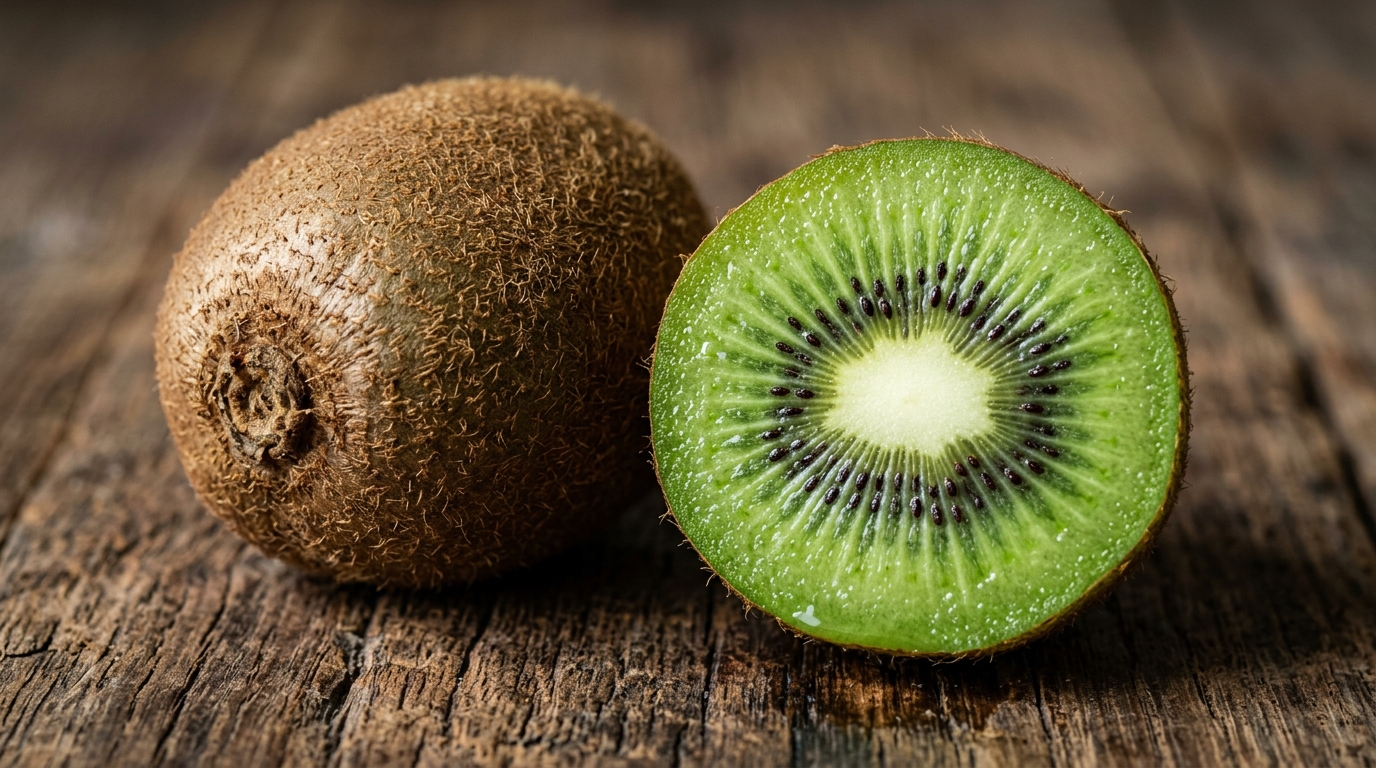
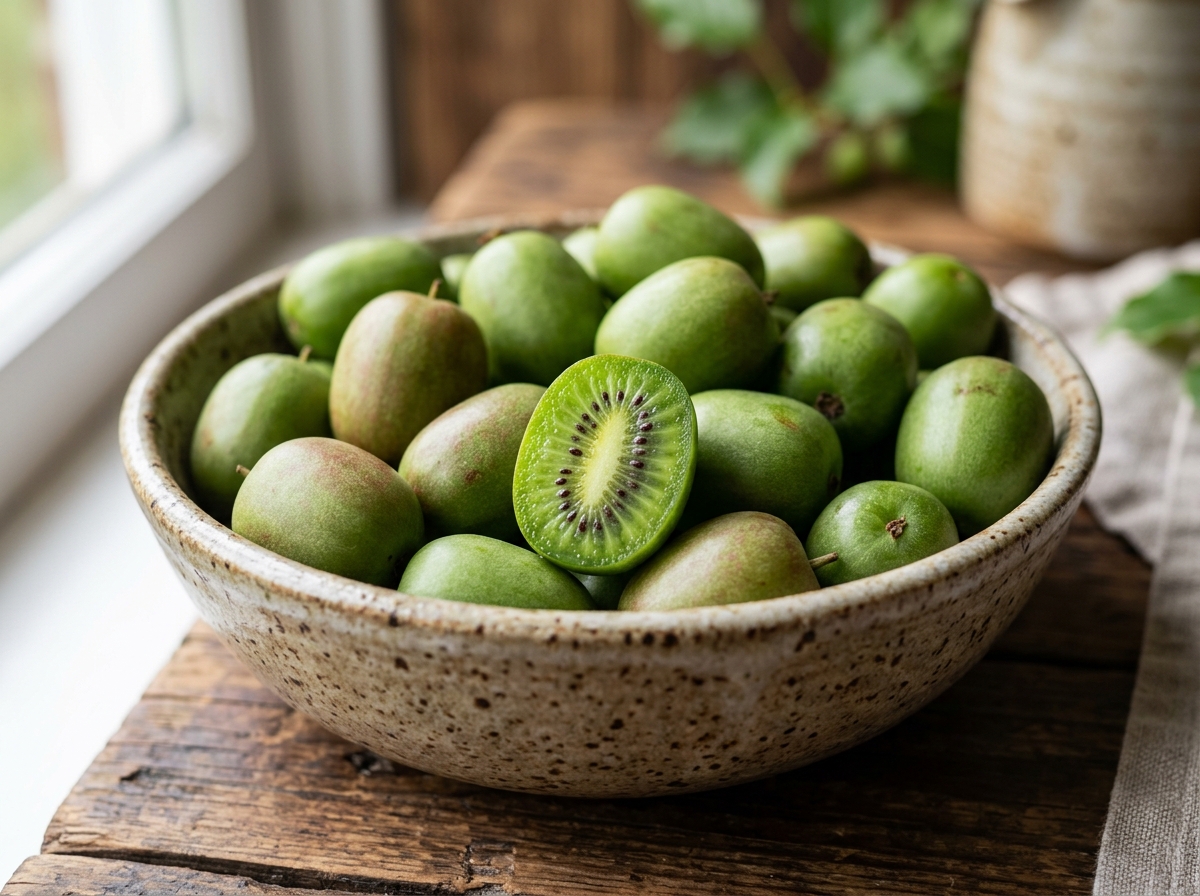
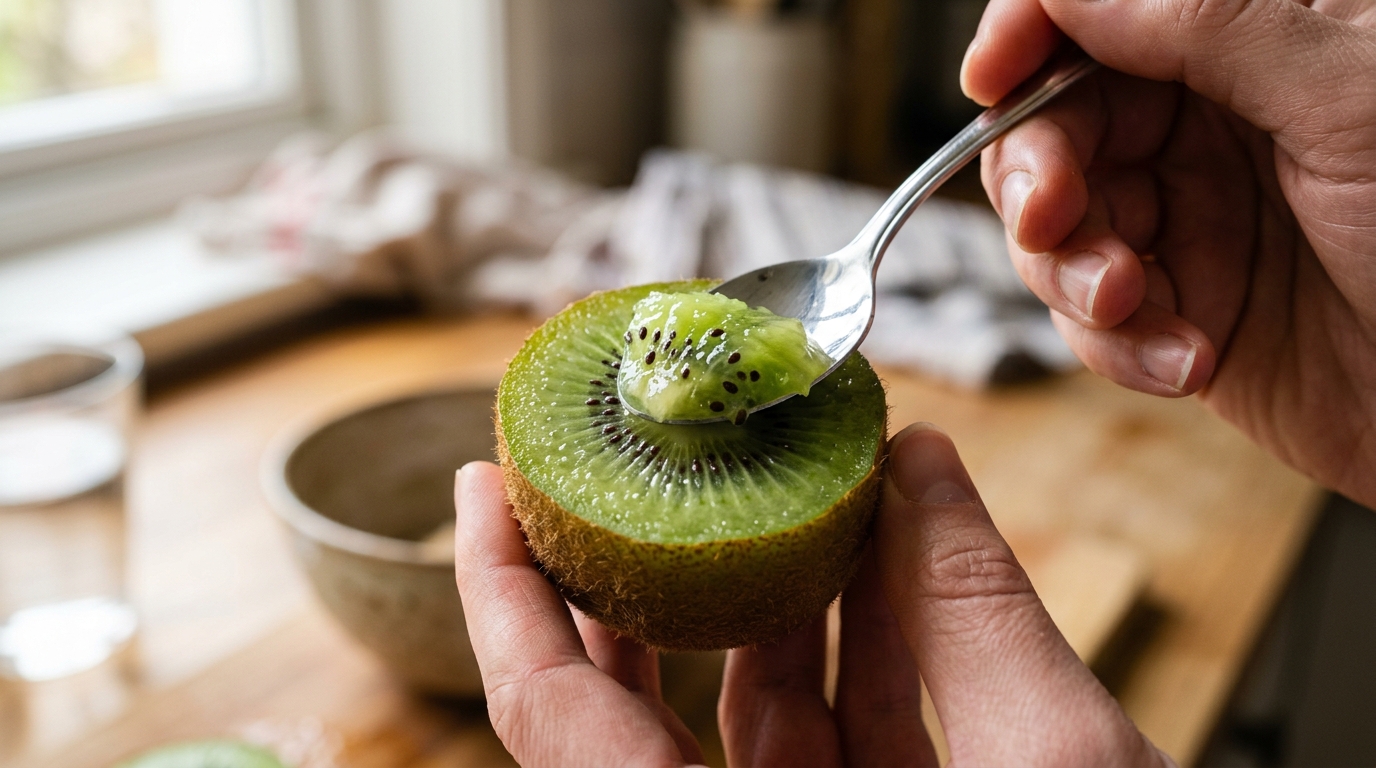
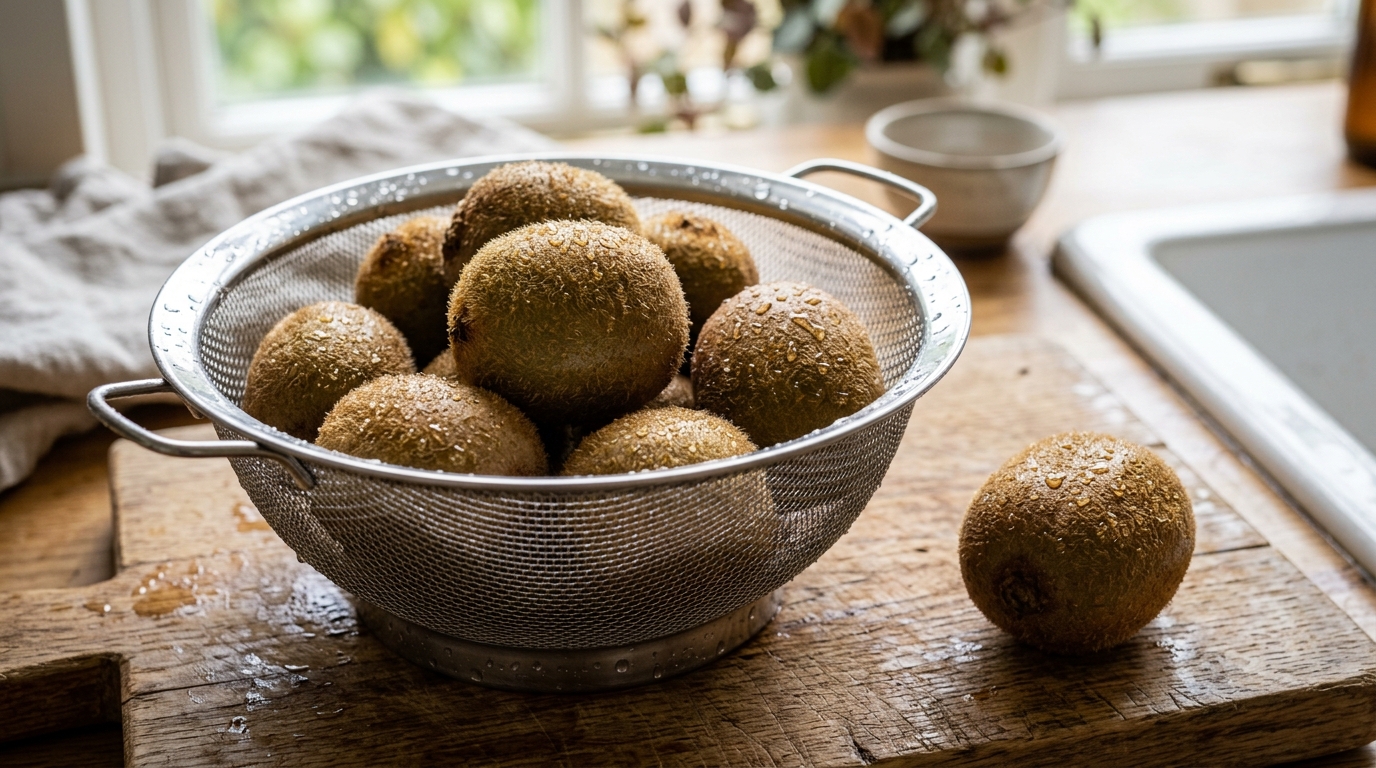
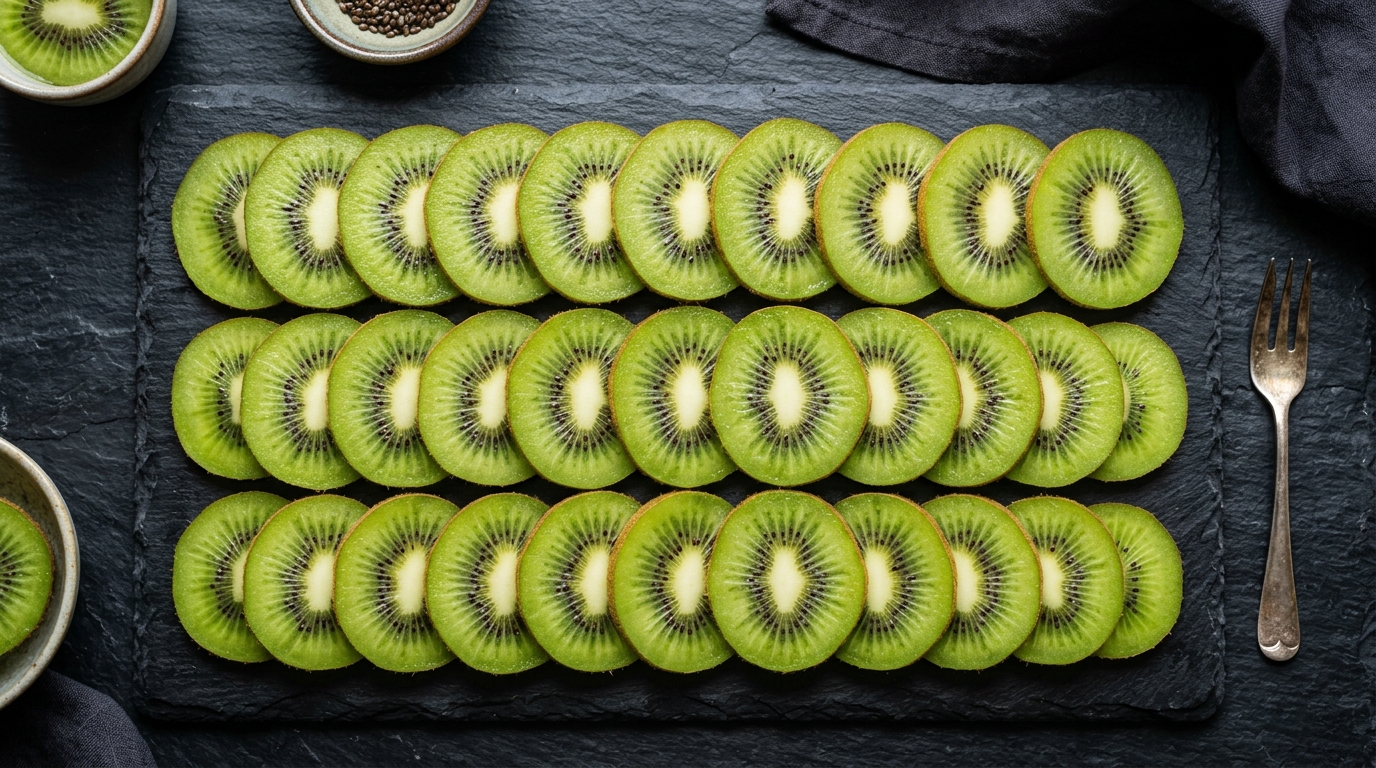

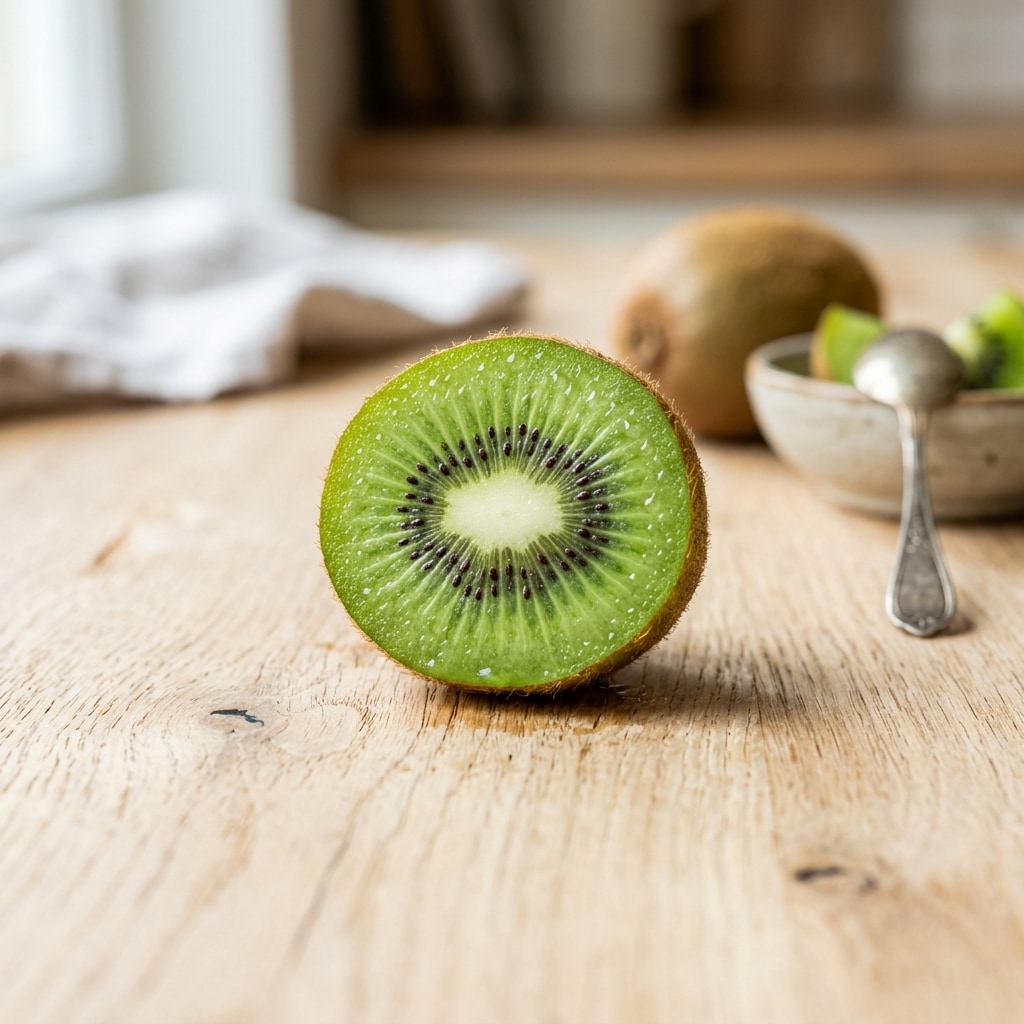
Wash the fruit thoroughly under cool running water. Slice it in half horizontally and scoop out the green flesh with a spoon, or eat the entire fruit whole with the skin intact.
The skin is edible and contributes extra dietary fiber and plant compounds. Gently washing and rubbing the skin under running water softens the outer fuzz.
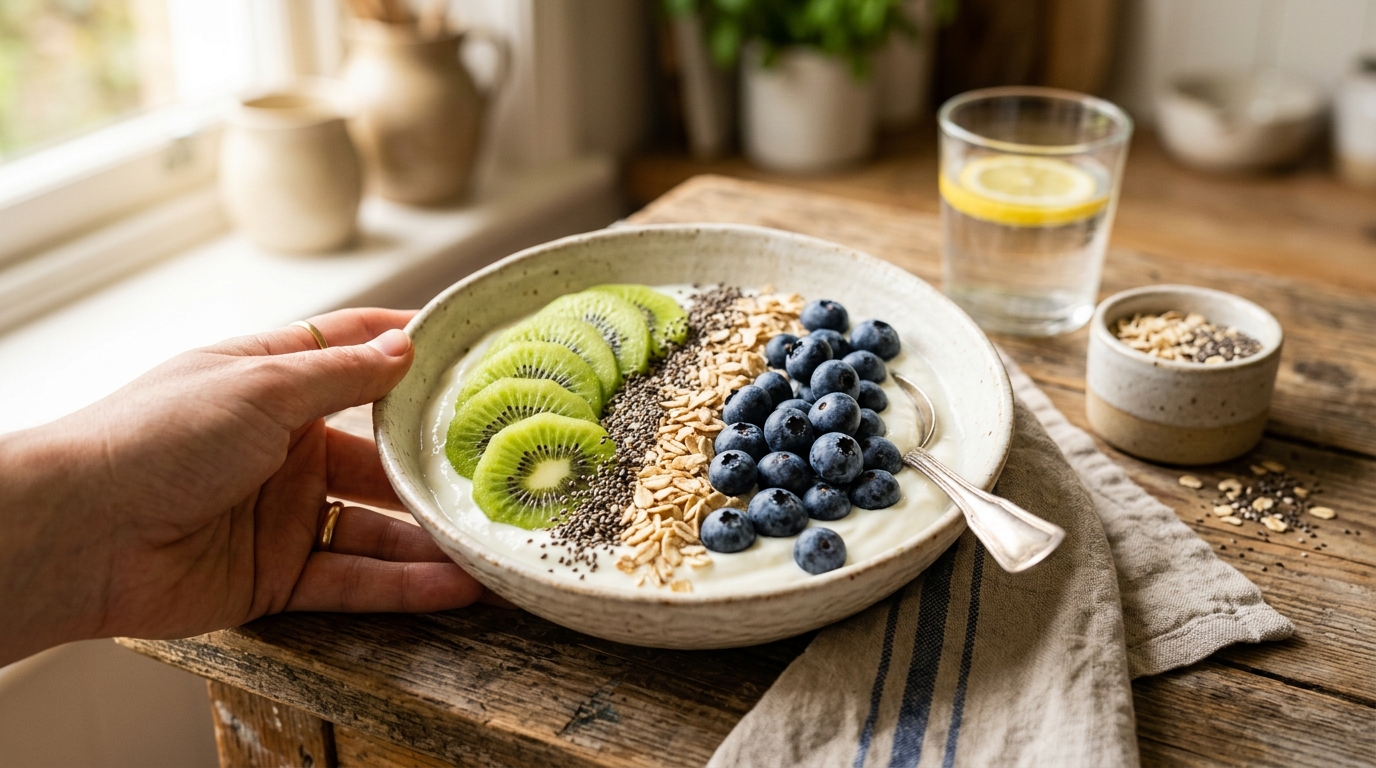
Sliced green kiwi pairs easily with rolled oats, plain yogurt, chia seed pudding, or whole-grain breakfasts, adding acidity, vitamin C, and dietary fiber.
Fresh green kiwi contains active actinidin enzymes that break down proteins. Avoid prolonged contact with gelatin desserts or delicate dairy preparations to prevent unwanted textural changes.
Allow firm kiwifruit to soften gradually at room temperature. Once the fruit yields slightly to pressure, transfer it to the refrigerator crisper drawer to extend freshness.
Traditional preparations and global recipes celebrating wholesome ingredients, balanced textures, and rich culinary heritage.
A classic dessert featuring crisp, marshmallowy meringue topped with whipped cream and sliced green kiwi to balance sweetness with fresh acidity.
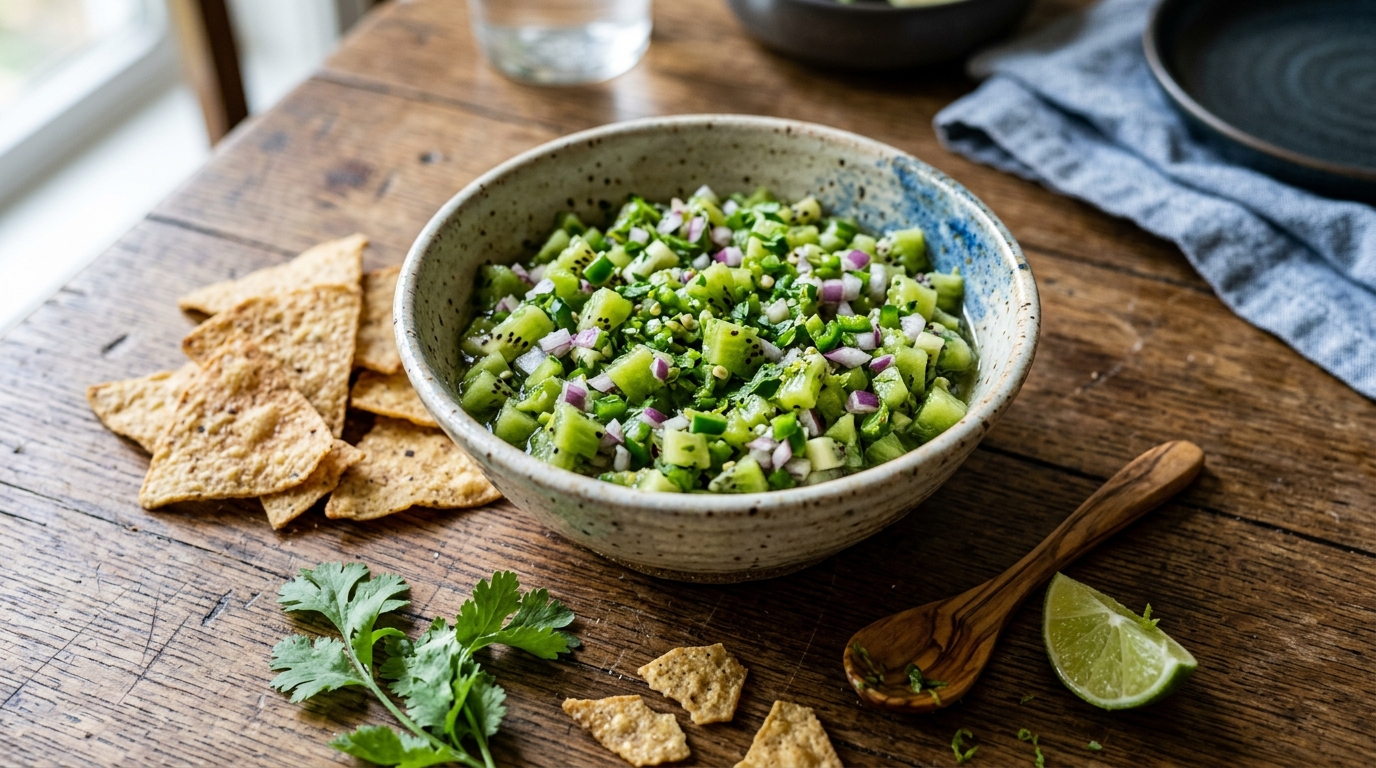
A sweet-and-tangy salsa made with diced green kiwi, red onion, jalapeño, fresh cilantro, and lime juice, served over grilled fish, poultry, or tacos.
A refreshing salad combining sliced green kiwi, strawberries, blueberries, and fresh mint with a light citrus dressing.
Ripe kiwi blended with yogurt or milk and topped with sliced kiwi, chia seeds, and granola for a fiber-rich breakfast.
A sweet-tart condiment simmered with peeled green kiwi, fresh ginger, chili flakes, and cider vinegar, traditionally paired with roasted dishes or cheeses.
Kiwifruit provides vitamin C, dietary fiber, potassium, folate and vitamin K, along with a range of plant compounds. Green kiwifruit has also been studied in randomized clinical trials for improving bowel regularity and gastrointestinal comfort, making it particularly interesting as part of a fiber-rich diet.
Yes, there is randomized clinical trial evidence. An international multicenter randomized crossover trial published in The American Journal of Gastroenterology found that consuming two green kiwifruits daily increased complete spontaneous bowel movements by at least 1.5 per week and significantly improved gastrointestinal comfort in adults with functional constipation and constipation-predominant IBS.
There is no universal medically required intake of kiwi. A practical portion for many people is 1 to 2 fruits per day, depending on overall diet and individual tolerance. Clinical research on constipation specifically evaluated two green kiwifruits daily, which represents a studied intervention dose rather than a mandatory daily requirement.
Yes. Kiwifruit skin is edible when washed thoroughly under cold water. Eating the peel increases the amount of dietary fiber and plant compounds consumed compared with eating only the flesh. Golden kiwi varieties feature smoother, hairless skin that many people find easier to eat whole.
Actinidin is a natural cysteine protease enzyme found abundantly in green kiwifruit. In laboratory and animal digestion models, actinidin enhances the breakdown of certain food proteins under stomach-like conditions. While this provides a biological mechanism for kiwi's digestive reputation, human responses vary and kiwi should not be viewed as an anti-bloating guarantee.
Clinical trials have shown that two green kiwifruits daily can improve stool frequency and abdominal comfort in individuals with constipation-predominant IBS (IBS-C). In addition, Monash FODMAP guidance lists a serving of about 150 g (roughly two small kiwifruits) as low FODMAP, making it a low-FODMAP option at that tested serving size for many people following a low-FODMAP diet.
Green kiwi (Actinidia deliciosa) typically features fuzzy brown skin, bright green flesh, a tart and sweet flavor, and higher actinidin enzyme activity. Golden kiwi (Actinidia chinensis) has smooth bronze skin, yellow flesh, a sweeter and less acidic flavor, and often very high vitamin C concentrations. SunGold golden kiwi contains measurable actinidin activity, although lower than Hayward green kiwi.
A small 2011 pilot study in 24 adults with self-reported sleep problems found improvements in sleep onset latency, total sleep duration, and sleep efficiency after consuming two kiwifruits nightly for four weeks. Because the study was small and self-controlled, the findings are preliminary rather than definitive proof that kiwi treats insomnia.
Whole kiwifruit can fit into many diabetes-friendly eating patterns because it provides dietary fiber, water, and modest amounts of naturally occurring fruit sugars. Glycemic response varies depending on the cultivar, ripeness, portion size, and the composition of the whole meal.
Yes. Kiwifruit is a recognized food allergen with reactions ranging from localized oral itching and lip tingling to severe systemic reactions, including anaphylaxis. Cross-reactivity can occur because some kiwi proteins resemble allergenic proteins found in birch pollen, grass pollen, or natural rubber latex.
A ripe kiwi should yield slightly when pressed gently with your thumb. It should feel soft enough to give a little without being mushy, leaking, or fermented-smelling. Hard fruit is underripe and needs time at room temperature, while excessively soft fruit may be overripe.
Keep firm, underripe kiwis at room temperature in a fruit bowl until they soften to your liking. Once ripe, moving them to the refrigerator crisper drawer helps slow further softening and preserves eating quality, often for another week or more depending on initial ripeness and conditions.
Fresh, well-washed kiwi can be included as part of a varied diet during pregnancy. It provides dietary fiber, vitamin C, potassium, and natural folate, which can support healthy digestion and maternal nutrition. It should not replace prescribed prenatal vitamins or medical guidance.
Raw green kiwifruit contains active actinidin, a protease enzyme that breaks down proteins. Because gelatin is an animal protein matrix, actinidin hydrolyzes the protein chains before they can form a gel. Cooking or heating kiwi deactivates the enzyme, allowing gelatin to set properly.
Have a moment? Share your feedback or suggestions via Google to help us produce even higher quality, evidence-based nutrition guides.
No saved articles yet.
Click the bookmark button inside any article to save it here for offline reading!
Hi! I am Mapple AI, your food science research companion. Ask me anything about biomolecules, organic diet patterns, or longevity recipes.