01
Slow-Cooked Italian Marinara Sauce
Explore Recipe GuideSimmer chopped ripe tomatoes with extra virgin olive oil, crushed garlic, and fresh basil for 45 minutes to maximize cis-lycopene.
 Mapple Health
 Tomatoes are vibrant, nutrient-dense fruits that are consumed as a vegetable staple all across the globe. While fresh raw tomatoes supply abundant Vitamin C and potassium, cooking tomatoes unlocks their most famous plant compound: lycopene. According to landmark clinical studies published in the Journal of Agricultural and Food Chemistry, Asia Pacific Journal of Clinical Nutrition, and Medicine, lycopene is a powerful red antioxidant carotenoid that helps protect heart health, lower LDL cholesterol oxidation, and support cellular health in prostate and vascular tissues.
In standard nutrition, raw vegetables are often assumed to be superior to cooked ones. However, tomato chemistry is a famous exception!
The nutritional values below represent official data from the USDA FoodData Central database for 100 grams of raw red tomato compared to 1 medium fresh tomato (123g).
| Nutrient | Amount (per 100g) | Amount (per 1 medium raw red tomato (123g)) | % Daily Value (%DV) | Why Your Body Needs It |
|---|---|---|---|---|
| Calories | 18 kcal | 22 kcal | — | Extremely light, refreshing hydration |
| Water Content | 94.5g | 116.2g | — | Supports daily hydration and skin cell turgor |
| Total Carbohydrates | 3.9g | 4.8g | — | Low-carb fruit option rich in soluble fiber |
| Dietary Fiber | 1.2g | 1.5g | 5% | Gentive digestive support for intestinal health |
| Total Sugars | 2.6g | 3.2g | — | Naturally low in fruit fructose |
| Total Fat | 0.2g | 0.25g | <1% | Virtually fat-free |
| Protein | 0.9g | 1.1g | 2% | Small natural protein contribution |
| Glycemic Index (GI) | 15 (Low) | 15 (Low) | Low | Zero impact on blood sugar spikes |
| Lycopene (Antioxidant) | 3,041µg | 3,740µg | — | Powerful carotenoid that protects blood lipids |
| Vitamin C | 13.7mg | 16.9mg | 19% | Supports immune defense and collagen synthesis |
| Potassium | 237mg | 292mg | 6% | Supports healthy blood pressure and fluid balance |
| Vitamin K1 | 7.9µg | 9.7µg | 8% | Supports healthy blood clotting and bone strength |
| Folate (Vitamin B9) | 15µg | 18.4µg | 5% | Essential for cell growth and DNA synthesis |
The reference matrix below outlines how cooked and raw tomatoes impact everyday health management, based on clinical trials and nutritional guidelines.
| Condition / Disease | Impact | General Guidance | Why (Mechanism + Verdict) |
|---|---|---|---|
| Heart & Vascular Health | Positive | Eat cooked tomato sauce daily | Strong supportive evidence. Lycopene and Vitamin C help shield LDL cholesterol from oxidative stress, supporting flexible arteries. |
| Prostate Cell Support | Positive | 2–3 cooked tomato meals/week | Promising evidence. A meta-analysis (Medicine, PMID 26287411) observed that higher cooked lycopene intake is linked to reduced risk of prostate issues. |
| Diabetes & Blood Sugar | Positive | Enjoy raw or cooked freely | Great dietary choice. Extremely low GI (15) and only 3.2g sugar per tomato make it ideal for blood sugar management. |
| Weight Loss & Dieting | Positive | Use as a volume filler | Helpful weight loss food. 94% water and only 18 calories per 100g help fill up stomach volume without excess calories. |
| Skin Sun Defense | Positive | Daily cooked tomato paste | Good supportive evidence. Dietary lycopene accumulates in skin epithelial layers, helping protect skin cells from internal UV oxidative stress. |
| Acid Reflux & GERD | Caution | Limit concentrated tomato paste | Requires caution. Tomatoes are naturally acidic (citric & malic acids), which can trigger heartburn in active GERD patients. |
| Kidney Stones (Oxalates) | Positive | Safe in standard portions | Safe choice. Tomatoes are low in oxalates and rich in fluid and potassium, supporting healthy kidney filtration. |
| Pregnancy | Positive | Wash raw; cook freely | Safe and nourishing. Supplies natural Folate (15µg/100g), potassium, and hydration essential for maternal health. |
| Pets (Dogs & Cats) | Caution | Ripe flesh only; no green | Ripe flesh is safe; green stems are toxic. Ripe red tomato flesh is safe for dogs. Green tomato stems and leaves contain solanine, which is toxic to pets. |
| Nightshade Sensitivity | Caution | Test individual tolerance | Solanaceae family. A small subset of people with severe joint autoimmune conditions report sensitivity to nightshade alkaloid compounds. |
Explore visual varieties and characteristics.
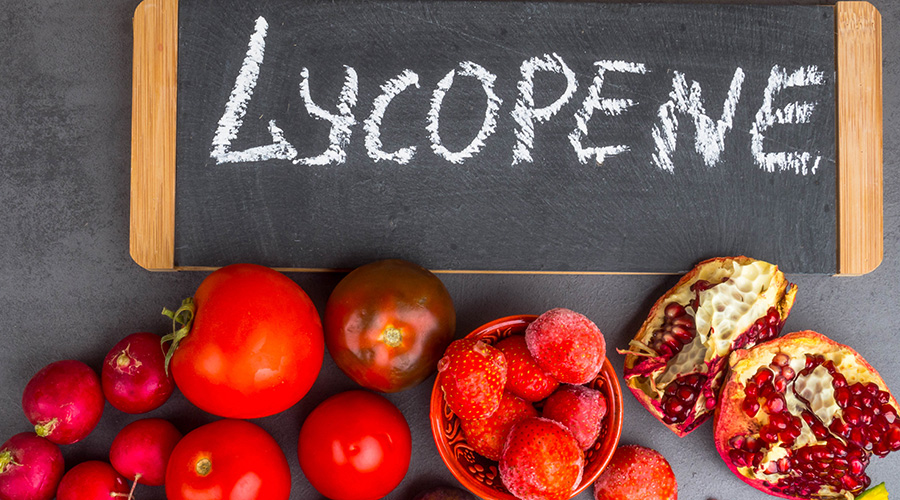
Always add healthy plant fats when cooking tomatoes. Olive oil forms digestive micelles that carry fat-soluble lycopene across your gut wall.
Tomato skins contain significantly higher concentrations of lycopene and flavonoids than inner pulp. Wash thoroughly and leave skins on.
Thermal processing converts straight trans-lycopene into flexible, highly bioavailable cis-lycopene for optimal cardiovascular delivery.
Store fresh whole tomatoes on the countertop at room temperature; refrigeration below 12°C degrades volatile aroma compounds and halts natural ripening.
Traditional preparations and global recipes celebrating wholesome ingredients, balanced textures, and rich culinary heritage.
Simmer chopped ripe tomatoes with extra virgin olive oil, crushed garlic, and fresh basil for 45 minutes to maximize cis-lycopene.
Sliced fresh ripe tomatoes layered with fresh mozzarella, basil leaves, extra virgin olive oil, and balsamic vinegar.
Oven-roasted tomatoes blended with vegetable broth, olive oil, and garlic for a warm, lycopene-rich winter soup.
Blended raw tomatoes, cucumbers, bell peppers, extra virgin olive oil, and lemon juice for a hydrating summer soup.
According to Healthline and clinical studies, lycopene is a potent red antioxidant carotenoid. Consuming lycopene-rich cooked tomatoes helps protect heart health, lower LDL cholesterol oxidation, and support cellular health in prostate tissues.
Raw tomatoes contain trans-lycopene trapped inside rigid cell walls. Cooking breaks down the cell walls and converts trans-lycopene into flexible **cis-lycopene**, which your body absorbs much more efficiently into blood circulation.
Yes! Lycopene is fat-soluble. Cooking tomatoes with extra virgin olive oil allows lycopene to dissolve into fat droplets, creating digestive micelles that carry lycopene straight into your bloodstream.
Yes! Raw and cooked tomatoes have a very low Glycemic Index (GI 15) and contain only 3.2 grams of natural sugar per medium tomato, making them an ideal food for blood sugar management.
Ripe red tomato flesh is safe for dogs in small amounts. However, **green tomato stems, leaves, and unripe green tomatoes contain solanine**, which is toxic to dogs and cats.
Yes! Raw tomatoes supply higher amounts of heat-sensitive Vitamin C (15% DV/100g) and hydration. Eating a mix of raw tomatoes in salads and cooked tomatoes in sauces gives you the best of both worlds!
Have a moment? Share your feedback or suggestions via Google to help us produce even higher quality, evidence-based nutrition guides.
No saved articles yet.
Click the bookmark button inside any article to save it here for offline reading!
Hi! I am Mapple AI, your food science research companion. Ask me anything about biomolecules, organic diet patterns, or longevity recipes.